


Lake Helen
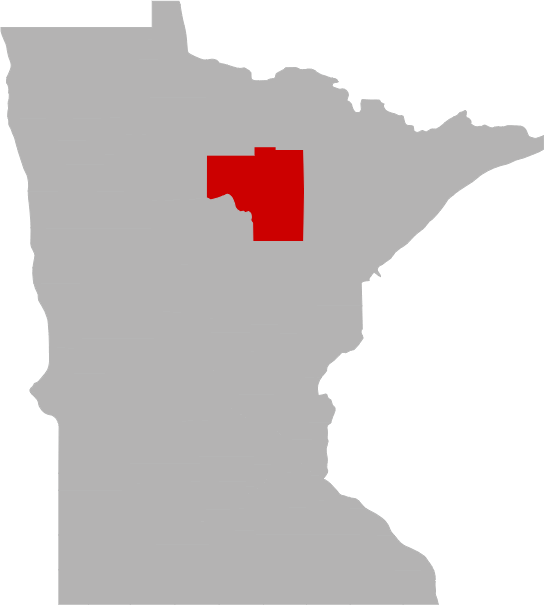
Itasca County, Minnesota
Share your catch!
We want to see what you've caught on Lake Helen.Frequently Asked Questions About Lake Helen, MN
- How big is Lake Helen?
- How deep is Lake Helen?
- What kind of fish can you catch in Lake Helen?
- What are the closest cities to Lake Helen?
- Are there places to stay in the Lake Helen area?
- Are there boat launches on Lake Helen?
- Are there places to eat and drink near Lake Helen?
- What is the average air temp for Lake Helen?
- Are there any state parks near Lake Helen?
How big is Lake Helen?
How deep is Lake Helen?
What kind of fish can you catch in Lake Helen?
Other fish species in the lake include Blackchin Shiner, Bluntnose Minnow, Brook Stickleback, Golden Shiner, Hybrid Sunfish, Johnny Darter and White Sucker.
What are the closest cities to Lake Helen?
Are there places to stay in the Lake Helen area?
More Lodging Options
Are there boat launches on Lake Helen?
Are there places to eat and drink near Lake Helen?
Explore the Lake Helen area in a RV
Are you looking for an adventurous vacation option that won't break the bank? Look no further than renting an RV! Contrary to popular belief, the process is much simpler than you might imagine. With just a few easy steps, you'll soon be experiencing the ultimate freedom and convenience of exploring the open road in your very own recreational vehicle. And the best part? RV travel can save you up to 60% compared to other types of vacations! With the money you'll save, you'll be able to travel even more and create unforgettable memories along the way. So why wait? Start planning your next adventure today with an RV rental. Learn more about renting a RV.

History & Status of the Fishery
Helen (Tank) Lake is located in eastern Itasca County near Goodland, MN in the St. Louis River watershed. The lake is representative of ecological lake class 32. Helen Lake has a surface area of 158 acres and a littoral area of 86 acres. The maximum depth is 32 feet and the lake has 3.8 miles of shoreline. The Sechhi disk reading was 4 feet in August of 2011 and the water color was brown due to bog stain. The MPCA lists the trophic status as mesotrophic (www.pca.state.mn.us/water). Moderate amounts of the lakeshore have been residentially developed, although much of the shoreline appeared to be undisturbed. The initial survey in 1977 described a diverse aquatic plant community with plant growth to a depth of 8 feet. The shoreline was described as primarily hardwoods with emergent vegetation dominating the shoreline. The lake has one seepage inlet on the southeast end and an inlet on the south bay that flows from Little Fowler and Dode lakes. There is one outlet which flows north to Little Island Lake. There is a public access located on the southwest end of the lake.
A fisheries lake management plan (LMP) was written for Helen Lake in 2009. The LMP identified northern pike and black crappie as the primary management species and largemouth bass as the secondary management species. No special regulations exist for Helen Lake, but statewide seasons and limits apply.
A population assessment was conducted on Helen Lake in 2011. Electrofishing was conducted for largemouth bass in June and test netting was conducted in August. Near shore electrofishing and seining was conducted as part of a statewide effort to produce index of biological integrity data.
Electrofishing for largemouth bass produced a catch of 36 bass. Helen Lake appeared to support a quality bass population as bass ranged in length from 6.3 to 18.0 inches with an average length of 13.0 inches. Seventy-three percent of the bass exceeded the quality length of 12 inches, 20% exceeded the angler preferred length of 15. Age analysis indicated 6 year classes and fairly consistent recruitment. The growth rate was near the statewide average, as individuals typically achieved 12 inches by age 5 and nearly 15 inches by age 6. Good bass angling opportunities appear to exist given the size structure and catch rate of largemouth bass.
Black crappie were the most common fish captured in the gill nets. The catch rate was high compared to lakes with similar habitats. Trap net catches of crappie were average compared to similar lakes. Size distributions were described as poor in past assessments and remained so in 2011 as only 27% of the crappie exceed 8 inches. Six year classes were present, but recruitment appeared inconsistent. Inconsistent recruitment of black crappie is a common life history trait for many populations, often resulting in "boom and bust" angling cycles. Growth was slower than the statewide average, as individuals did not typically achieve 8 inches until age 6. Slow growth and inconsistent recruitment may limit the popularity of the black crappie fishery.
Northern pike were the second most common fish in the gill nets. The catch rate was within the expected range for similar lakes and similar to the previous assessment of Helen Lake. Past assessments indicated poor size structure. Northern pike were typically small, ranging from 14.7 to 26.9 inches and averaged 20.2 inches in 2011. Growth rates were near the statewide average with individuals exceeding 21 inches by age 5. Five year classes were present, but recruitment appeared inconsistent. Northern pike were relatively young, averaging 3.0 years and only 17% of the sampled pike were age 5 or older. A lack of older fish may indicate poor recruitment in the recent past, high mortality of older individuals, high angler harvest, or a combination of the factors. The popularity of the northern pike fishery is likely limited by a lack of older, larger pike. Anglers should be encouraged to release pike exceeding 22 inches to help improve size and age distributions.
Bluegill were the most common fish in the trap nets, although the catch rate was low compared to similar lakes. Trap net caught bluegill ranged from 3.4 to 9.1 inches with an average length of 5.0 inches. Past assessments documented poor size structure. Size structure remained relatively poor in 2011, as only 19% exceeded 6 inches. The presence of bluegill exceeding 8 inches may indicate at least some potential for quality bluegill. Seven year classes were present and recruitment appeared relatively consistent. Bluegill averaged 5 years of age and 26% of the sampled fish were age 6 or older, suggesting good adult survival. Similar lakes typically produce abundant bluegill with poor growth and the growth rate from Helen Lake was near the lake class average as individuals typically achieved 6 inches by age 7 and 8 inches by age 9. Poor size structure and modest growth may limit the popularity of the bluegill fishery.
The protection of water quality and habitat is critical in maintaining or improving fish and wildlife populations. Unfortunately, human activities often negatively impact our lakes. Fertilized turf-grass lawns and failing septic systems along with the removal of shoreline and aquatic vegetation, mowing to the shore, and installing sand blanket beaches result in destabilized shorelines, uncontrolled erosion, and increased run-off, contributing excess nutrients and sediment to the lake and degrading water quality and habitat. By understanding the cumulative impacts of our actions and taking steps to avoid or minimize them, we can help insure our quality water resources can be enjoyed well into the future. Anglers can further help insure quality fishing by practicing selective harvest and catch and release.
Anglers and boaters are reminded to help stop the spread of invasive species by removing all aquatic plants from boats, trailers, and equipment. All drain plugs must be removed and live and bait wells must be drained before leaving the access. Anglers and boater are encouraged to power wash and thoroughly dry all equipment prior to use in another water body.
What is the average air temp for Lake Helen?
Are there any state parks near Lake Helen?
For more Minnesota State Park information see our State Park Guide.
More Nearby Lakes To Explore
There's more lake's to explore around Lake Helen...| DISTANCE | ACRES | MAX DEPTH | |
| Unnamed Lake | 0.6 mi | 10 | |
| Little Island Lake | 0.8 mi | 119 | 45 ft |
| Dode Lake | 1.3 mi | 88 | 25 ft |
| Bay Lake | 1.4 mi | 62 | |
| Little Flower Lake | 1.5 mi | 30 | 25 ft |
| Bengal Lake | 1.6 mi | 49 | 54 ft |
| Beauty Lake | 1.6 mi | 216 | 31 ft |
| Unnamed Lake | 1.9 mi | 17 | |
| Coon Lake | 2.2 mi | 101 | 9 ft |
| Unnamed Lake | 2.5 mi | 12 |


