


Turtle Lake
Douglas County, Minnesota

Today's Fishing Forecast
Fishing looks to be fairly active with peak fishing times around 8-9 AM and 3-4 PM. SEE MORE

Share your catch!
We want to see what you've caught on Turtle Lake.Frequently Asked Questions About Turtle Lake, MN
- How big is Turtle Lake?
- How deep is Turtle Lake?
- What kind of fish can you catch in Turtle Lake?
- What are the closest cities to Turtle Lake?
- Are there places to stay in the Turtle Lake area?
- Are there boat launches on Turtle Lake?
- Are there places to eat and drink near Turtle Lake?
- What is the average air temp for Turtle Lake?
- Are there any state parks near Turtle Lake?
How big is Turtle Lake?
How deep is Turtle Lake?
What kind of fish can you catch in Turtle Lake?
Other fish species in the lake include Bluntnose Minnow, Green Sunfish, Hybrid Sunfish, Iowa Darter, Spottail Shiner and White Sucker.
What are the closest cities to Turtle Lake?
Are there places to stay in the Turtle Lake area?
More Lodging Options
Are there boat launches on Turtle Lake?
Are there places to eat and drink near Turtle Lake?
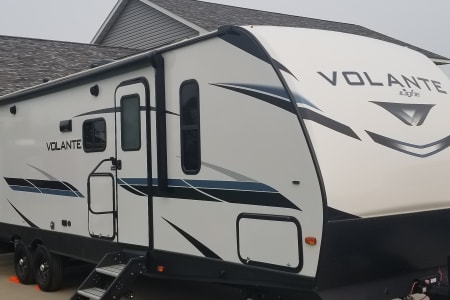
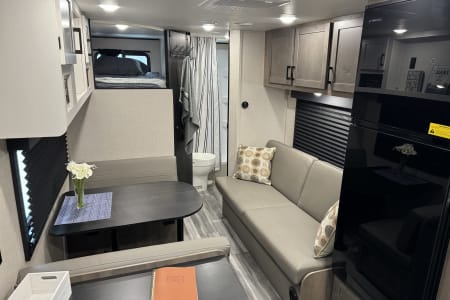
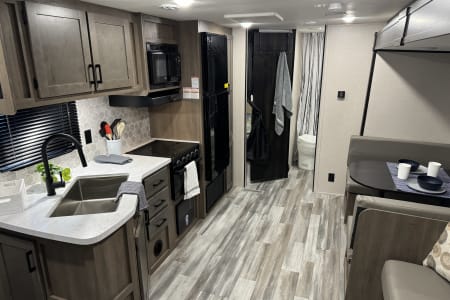
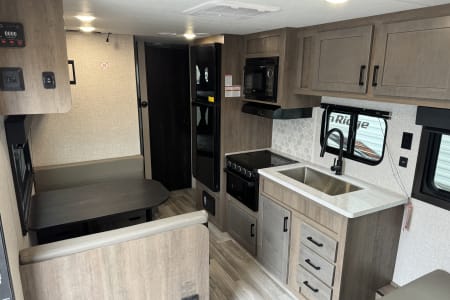
Explore the Turtle Lake area in a RV
Are you looking for an adventurous vacation option that won't break the bank? Look no further than renting an RV! Contrary to popular belief, the process is much simpler than you might imagine. With just a few easy steps, you'll soon be experiencing the ultimate freedom and convenience of exploring the open road in your very own recreational vehicle. And the best part? RV travel can save you up to 60% compared to other types of vacations! With the money you'll save, you'll be able to travel even more and create unforgettable memories along the way. So why wait? Start planning your next adventure today with an RV rental. Learn more about renting a RV.
What aquatic invasive species are found in Turtle Lake?
Join us in the fight to prevent the spread of invasive species These sneaky creatures can hitch a ride on boats, clinging onto propellers, anchor lines, and trailers. They can even survive in hidden places like bilge water and ballast tanks, or disguise themselves in dirt and sand that sticks to nets, buckets, anchors, and waders. But don't worry, we have the power to stop them in their tracks with just a few simple steps. So let's do our part and protect our waters from these unwanted invaders.
History & Status of the Fishery
Turtle Lake is a shallow, productive basin located in southern Douglas County. Consisting of two large bays, average depth is only 7.0 feet and aquatic vegetation is common. Water clarity was approximately 13.0 feet at the time of the July survey. A concrete boat launch is located in the southwest corner of Turtle Lake just off Douglas County Road 88 SW. Turtle Lake supports an abundant Walleye population (10.7/gill net). Average size was 14.8 inches and 1.3 pounds. Despite a moderate average size, approximately 25% of the population currently exceeds 18.0 inches. Rapid growth rates allow smaller individuals to reach desirable lengths quickly. Two- and five-year-olds were the most common. Alternate year fingerling and yearling stocking efforts appear to be creating a productive fishery. Northern Pike catch rates (2.3/gill net) were slightly below the statewide average of similar lakes (4.7/gill net). Approximately 50% of Northern Pike were between 14.0 and 21.0 inches. The largest individual was 28.6 inches. Anglers are encouraged to take advantage of the liberalized pike harvest regulation (anglers are able to keep up to 10 pike with no more than two fish longer than 26 inches; all fish from 22-26 inches must be released). Largemouth Bass are common (69.3 bass/hour of electrofishing). Average length was 7.8 inches, but large bass are present. Maximum length was 19.8 inches. On average, it took 5.3 years for bass to reach 12.0 inches. Bluegill abundance was high (48.1/trap net). Over 65% of individuals were between 6.0 and 8.0 inches. The largest individual was 8.3 inches. High densities appear to be limiting growth and total length. Anglers are encouraged to harvest the abundant, moderately-sized Bluegill (6.0-8.0 inches). Reduced densities would allow some individuals to grow larger. Black Crappie were abundant, but most were not large enough to contribute to the fishery (average length was 7.1 inches). Low average size is related to the strong one- and two-year-old year classes. A remnant of the strong 2014 year class will provide the opportunity for some larger crappies. Maximum size of crappie in 2021 was 11.4 inches. Yellow Perch were common (9.3/gill net), but average size was modest. Over 95% of all perch were between 5.0 and 8.0 inches. Other species recorded in the 2021 lake survey included Black Bullhead, Common Carp, Golden Shiner, hybrid sunfish, Pumpkinseed and Yellow bullhead. The next lake survey is scheduled for 2027. Turtle Lake is designated as infested with zebra mussels. Anglers are reminded to drain boats and equipment prior to moving between bodies of water to minimize the risk of transferring aquatic invasive species to other lakes.
What is the average air temp for Turtle Lake?
Are there any state parks near Turtle Lake?
For more Minnesota State Park information see our State Park Guide.
More Nearby Lakes To Explore
There's more lake's to explore around Turtle Lake...| DISTANCE | ACRES | MAX DEPTH | |
| Maple Lake | 1.5 mi | 831 | 78 ft |
| Lake Reno | 2.3 mi | 3,809 | 23 ft |
| Unnamed Lake | 2.5 mi | 27 | |
| Mud Lake | 3.1 mi | 79 | |
| Lake Andrew | 3.2 mi | 923 | 83 ft |
| Unnamed Lake | 3.3 mi | 10 | |
| Union Lake | 4.1 mi | 107 | 45 ft |
| Union Lake | 4.2 mi | 117 | 42 ft |
| Lovera Lake | 4.4 mi | 89 | |
| Frederick Lake | 4.6 mi | 32 |
