


Long Island Lake
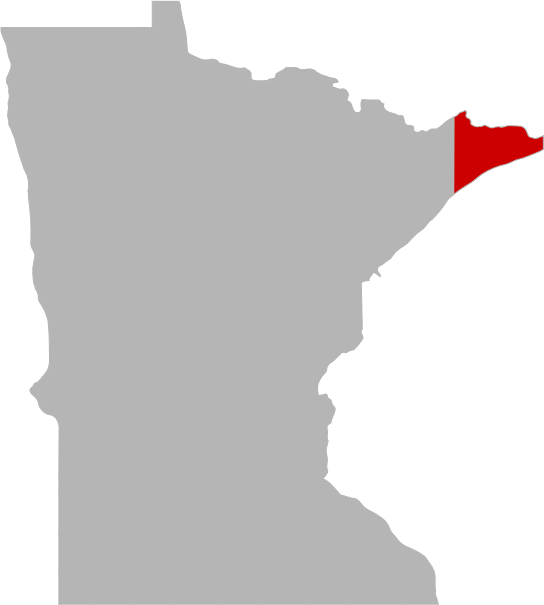
Cook County, Minnesota

Today's Fishing Forecast
Fishing looks to be moderately active with peak fishing times around 3-4 PM. SEE MORE
Share your catch!
We want to see what you've caught on Long Island Lake.Frequently Asked Questions About Long Island Lake, MN
- How big is Long Island Lake?
- How deep is Long Island Lake?
- What kind of fish can you catch in Long Island Lake?
- Are there places to stay in the Long Island Lake area?
- Are there places to eat and drink near Long Island Lake?
- What is the average air temp for Long Island Lake?
- Are there any state parks near Long Island Lake?
How big is Long Island Lake?
How deep is Long Island Lake?
What kind of fish can you catch in Long Island Lake?
Other fish species in the lake include White Sucker.
Are there places to stay in the Long Island Lake area?
More Lodging Options
Are there places to eat and drink near Long Island Lake?
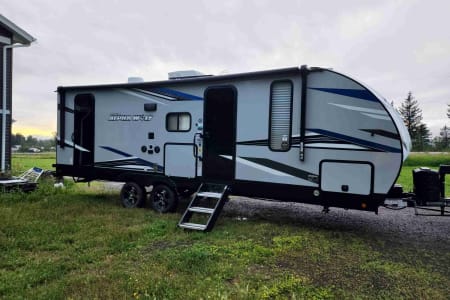
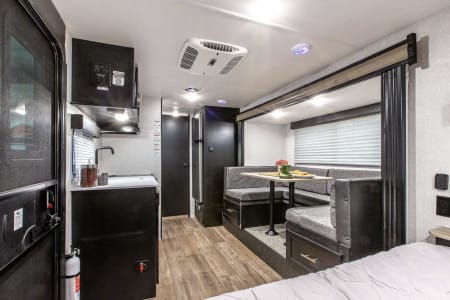
Explore the Long Island Lake area in a RV
Are you looking for an adventurous vacation option that won't break the bank? Look no further than renting an RV! Contrary to popular belief, the process is much simpler than you might imagine. With just a few easy steps, you'll soon be experiencing the ultimate freedom and convenience of exploring the open road in your very own recreational vehicle. And the best part? RV travel can save you up to 60% compared to other types of vacations! With the money you'll save, you'll be able to travel even more and create unforgettable memories along the way. So why wait? Start planning your next adventure today with an RV rental. Learn more about renting a RV.


History & Status of the Fishery
Long Island Lake is part of the headwaters for the Rainy River, draining to that system via the Cross River to Gunflint Lake. Only two surveys of this lake have been done - one in 1983 and one in 1995. Northern pike and lake trout are the only gamefish native to this lake. Current (2016) long range goals for those species in Long Island Lake are a minimum lake trout gill net catch of 0.3 fish/set, and a minimum northern pike gill net catch of 1.5 fish/set, with some northern pike larger than 25 inches present. This was the first of two standard surveys scheduled in the 2016 lake management plan revision to determine lake trout and northern pike relative abundance, size structure, growth rates, and age and size at maturity, and to identify any factors limiting the lake trout population. The second is scheduled for 2024.
Fair numbers of lake trout were present in 2019, including some good-sized fish. The 2019 lake trout catch was similar to the catch seen in the 1995 survey. The gill net catch in deep and shallow sets combined (1.0 fish/set) met the goal for this lake established in the 2016 LMP. Nine year classes, all naturally produced, contributed to the catch, although none appeared to have been exceptionally strong. Lake trout as old as 29 years were sampled, and six of the 11 fish taken were over 20 years old. Growth of young lake trout had been slow; across all age classes, fish reached a mean length of just 10.3 inches at the end of their fifth year, compared to an area average of 14.9 inches. Other than burbot, lake trout in this lake have no cold-water forage species available, and young fish likely subsist mainly on an invertebrate diet. That is common in many BWCAW lake trout lakes, and usually results in slow growth.
A few northern pike were also present in 2019, but larger fish seemed to have been scarce. The 2019 northern pike catch was more similar to the low catch seen in 1995 than to the much higher catch seen in the 1983 initial survey. The gill net catch in deep and shallow sets combined (0.45 fish/set) was below the long range goal for the species, but the size goal was met. Only three and four-year-old northern pike were taken in 2019. Their growth appeared to have been faster than average for the area; they reached a mean length of 22.9 inches at the end of their third year, compared to an area average of 18.8 inches.
This was the first survey of any lake in the upper Cross River watershed to sample smallmouth bass. We had hoped a low barrier falls below Karl Lake would keep that species from spreading any further into the BWCAW. Their presence in Long Island Lake in 2019 suggests they may now have access to nearly all the lakes upstream of Karl Lake. Fish from two year classes were taken in 2019, so it is likely smallmouth bass have been present and reproducing for some time. Their abundance cannot be accurately gauged by any sampling method available to us in these remote waters.
Although none were sampled, the possible presence of walleye in this lake was indicated by fish remains found near one of our 2019 sampling sites. Walleye have also never been sampled in the upper Cross River system, and their presence might be more damaging than the presence of smallmouth bass, when it comes to effects on lake trout populations in these waters.
Many lakes may be affected by the possible spread of smallmouth bass and walleye into this watershed. Lake trout lakes that could be affected (depending on the presence of natural barriers to fish movement) include Cash, Town, Cherokee, Gordon, Long Island, and Karl.
Catches of white sucker, yellow perch, and burbot in 2019 were at least broadly similar to catches seen in past surveys. All of the burbot taken were small. Modest numbers of yellow perch and small white sucker were present to provide forage for northern pike. A fairly high catch of bluntnose minnows in small-mesh trap nets suggested smaller northern pike also had access to fair numbers of minnows.
The use of small-mesh trap nets in 2019 marked the first time any attempt was made to better describe the near-shore fish community in this lake. In addition to detecting the presence of smallmouth bass, those nets added Iowa darter, Johnny darter, blacknose shiner, bluntnose minnow, and western blacknose dace to the list of species known to be present.
Are there any state parks near Long Island Lake?
For more Minnesota State Park information see our State Park Guide.
More Nearby Lakes To Explore
There's more lake's to explore around Long Island Lake...| DISTANCE | ACRES | MAX DEPTH | |
| Ferret Lake | 0.6 mi | 12 | |
| Karl Lake | 0.7 mi | 121 | 70 ft |
| Fun Lake | 1.0 mi | 17 | |
| Jay Lake | 1.2 mi | 57 | |
| Cave Lake | 1.3 mi | 27 | |
| Doe Lake | 1.5 mi | 1,085 | |
| Lower George Lake | 1.6 mi | 25 | |
| Cleft Lake | 1.6 mi | 37 | |
| Night Lake | 1.6 mi | 10 | |
| Muskeg Lake | 1.8 mi | 30 |
