


Taylor Lake
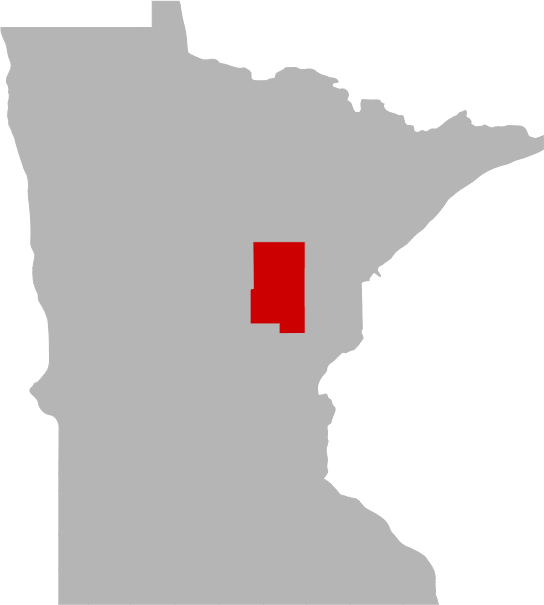
Aitkin County, Minnesota

Today's Fishing Forecast
Fishing looks to be fairly active with peak fishing times around 7-8 AM and 3-5 PM. SEE MORE
Share your catch!
We want to see what you've caught on Taylor Lake.Frequently Asked Questions About Taylor Lake, MN
- How big is Taylor Lake?
- How deep is Taylor Lake?
- What kind of fish can you catch in Taylor Lake?
- What are the closest cities to Taylor Lake?
- Are there places to stay in the Taylor Lake area?
- Are there places to eat and drink near Taylor Lake?
- What is the average air temp for Taylor Lake?
- Are there any state parks near Taylor Lake?
How big is Taylor Lake?
How deep is Taylor Lake?
What kind of fish can you catch in Taylor Lake?
Other fish species in the lake include Golden Shiner, Hybrid Sunfish and Tadpole Madtom.
What are the closest cities to Taylor Lake?
Are there places to stay in the Taylor Lake area?
More Lodging Options
Are there places to eat and drink near Taylor Lake?
Explore the Taylor Lake area in a RV
Are you looking for an adventurous vacation option that won't break the bank? Look no further than renting an RV! Contrary to popular belief, the process is much simpler than you might imagine. With just a few easy steps, you'll soon be experiencing the ultimate freedom and convenience of exploring the open road in your very own recreational vehicle. And the best part? RV travel can save you up to 60% compared to other types of vacations! With the money you'll save, you'll be able to travel even more and create unforgettable memories along the way. So why wait? Start planning your next adventure today with an RV rental. Learn more about renting a RV.


History & Status of the Fishery
Taylor Lake is a small, moderately fertile lake located 4.5 miles southwest of the city of Aitkin in Aitkin County. The shoreline surrounding the lake consists of marshland, bogland, and small hills covered with mixed hardwoods. Only a small amount of shoreline development exists along the east shore. The lake's shape is characterized by three basins with the eastern most basin largely connected to the middle basin while the western most basin is connected by a narrow channel. Each basin has deep water depths, but half of the lake's area consists of water depths less than 15 feet. Since an abundance of shallow water acreage characterize this basin along with good fertility, this type of lake may experience low levels of oxygen during the winter which can cause partial or severe fish kills. According to historical oxygen monitoring data, inadequate oxygen levels were reported during several different winter seasons which did result in some degree of winterkill. In the event of winterkill, the lake's fishery may consist of surviving species and/or of migrating fish from Cedar Lake via Cedar Creek during high water periods. Currently, the lake is managed for black crappie, northern pike, and largemouth bass.The evaluation portion of the current management plan called for a population assessment in 2001 to evaluate the status of the fish population. During the week of June 5, 2001, an assessment was conducted utilizing gill and trap nets. Black crappie were not sampled during this assessment and in 1986, but historical records indicate that good numbers of crappie have been sampled in the past by DNR netting gear and local anglers. Dramatic fluctuations in the crappie population most likely result from the occurrence of some degree of fish winterkill. Northern pike numbers were found within a normal range for this type of lake with their lengths extending from 9.1 to 29.1 inches. Two-thirds of the northern pike sampled were greater than 23.0 inches in length. The abundance of largemouth bass was above normal along with their average weight. Northern pike and largemouth bass growth was normal at all ages when compared to statewide averages. Other fish species sampled included bluegill sunfish, brown bullhead, dog fish, pumpkinseed sunfish, and yellow perch. Brown bullhead were normal in abundance while bluegill sunfish, dog fish, and yellow perch were sampled at levels below normal for lakes of this type.Since Taylor Lake lacks a public access, fishing enthusiasts will have to obtain permission from a private landowner to access the lake. Anglers who target northern pike or largemouth bass are likely to encounter low numbers of pike that are quality sized or a good number of smaller largemouth bass. Panfish numbers appear to be sparse at this time. Because the lake has the potential for some degree of fish winterkill during favorable conditions, the fish population may be subject to consistent change. Shoreline property owners and surrounding land users within the watershed can maintain or improve water quality by protecting the existing abundance of natural shoreline, updating outdated or failing septic systems, using phosphorus free fertilizer (if needed) on surrounding lawns or crop land, utilizing crop farming practices that reduce run-off, limiting aquatic plant removal or disturbance, and limiting construction of impervious surfaces near the shoreline.
What is the average air temp for Taylor Lake?
Are there any state parks near Taylor Lake?
For more Minnesota State Park information see our State Park Guide.
More Nearby Lakes To Explore
There's more lake's to explore around Taylor Lake...| DISTANCE | ACRES | MAX DEPTH | |
| Carlson Lake | 0.8 mi | 38 | 23 ft |
| Black Shadow Lake | 0.9 mi | 22 | 60 ft |
| Cedar Lake | 1.0 mi | 1,726 | 105 ft |
| Pine Island Lake | 1.2 mi | 41 | 8 ft |
| Camp Lake | 1.2 mi | 43 | 7 ft |
| Hill Lake | 1.5 mi | 27 | 67 ft |
| Hills Lake | 1.5 mi | 19 | 45 ft |
| Blue Lake | 1.6 mi | 54 | 106 ft |
| Long Lake | 1.8 mi | 35 | |
| Hammal Lake | 1.9 mi | 376 | 44 ft |
