


Smith Lake
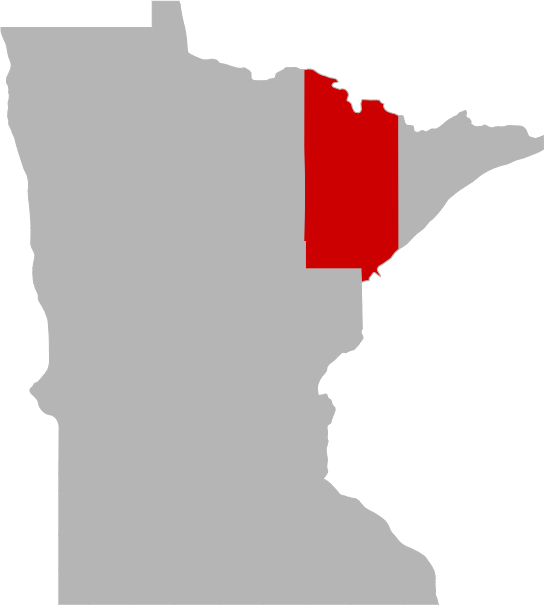
St. Louis County, Minnesota

Today's Fishing Forecast
Fishing looks to be not very active with peak fishing times around 3-5 PM. SEE MORE

Share Your Catch & Win!
Frequently Asked Questions About Smith Lake, MN
- How big is Smith Lake?
- How deep is Smith Lake?
- What kind of fish can you catch in Smith Lake?
- Are there places to stay in the Smith Lake area?
- Are there places to eat and drink near Smith Lake?
- What is the average air temp for Smith Lake?
- Are there any state parks near Smith Lake?
How big is Smith Lake?
How deep is Smith Lake?
What kind of fish can you catch in Smith Lake?
Other fish species in the lake include Cisco (Tullibee), Johnny Darter, River Redhorse, Shorthead Redhorse and White Sucker.
Are there places to stay in the Smith Lake area?
More Lodging Options
Are there places to eat and drink near Smith Lake?
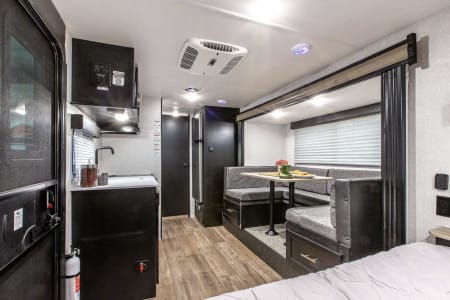
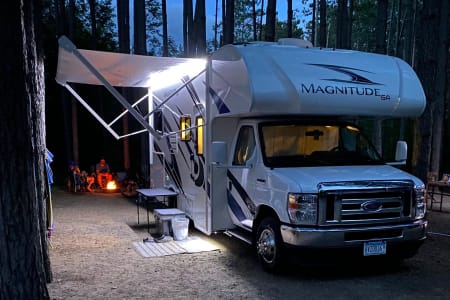
Explore the Smith Lake area in a RV
Are you looking for an adventurous vacation option that won't break the bank? Look no further than renting an RV! Contrary to popular belief, the process is much simpler than you might imagine. With just a few easy steps, you'll soon be experiencing the ultimate freedom and convenience of exploring the open road in your very own recreational vehicle. And the best part? RV travel can save you up to 60% compared to other types of vacations! With the money you'll save, you'll be able to travel even more and create unforgettable memories along the way. So why wait? Start planning your next adventure today with an RV rental. Learn more about renting a RV.


History & Status of the Fishery
Smith (Lower Pequaywan) Lake is a 193-acre lake with 74 (38%) littoral acres and a maximum depth of 51 feet. The lake is located about 14 miles northeast of Two Harbors, MN but there is no public access to the lake. Walleye is the primary management species and Northern Pike is the secondary management species. Smith was last surveyed in 2000. Smith was surveyed during the summer of 2020 to update information about fish populations and gather information about coldwater fish species presence and abundance.
Walleye reproduce naturally in Smith and the lake has not been stocked since 1970. Walleye abundance of 4.8 per gillnet lift was down from 2000 (8.3) but was still average compared to other Minnesota lakes of similar type. Walleye average length was 16.7 inches and growth was slow compared to other Duluth Area lakes. The proportion of adult Walleye captured that exceeded quality size (greater than 15 inches) was 80%. The 2015 year-class was strong, contributing to over 50% of the overall catch.
Northern Pike abundance of 7.2 per gillnet lift was up from 2000 (3.0) and above average compared to other Minnesota lakes of similar type. Northern Pike average length was 21.2 inches but no preferred size fish (greater than 28 inches) were captured.
Spring bass sampling was suspended during 2020 due to the pandemic. However, both Largemouth and Smallmouth Bass are present in Smith. Smallmouth Bass abundance of 1.2 per gillnet lift was average compared to other Minnesota lakes of similar type. The proportion of adult Smallmouth Bass captured that exceeded quality size (greater than 14 inches) was 86%, while the proportion captured that exceeded memorable size (greater than 17 inches) was 14%.
In addition to Smallmouth Bass, Smith Lake offers quality angling opportunities for Black Crappie. Black Crappie abundance of 1.9 per trapnet lift was up from 2000 (0.6) and average compared to other Minnesota lakes of similar type. Black Crappie average length was large at 9.1 inches and growth was fast compared to other Duluth Area lakes. The proportion of adult Black Crappie captured that exceeded preferred size (greater than 10 inches) was 75%, while the proportion captured that exceeded memorable size (greater than 12 inches) was 17%.
Bluegill abundance of 13.8 per trapnet lift was average compared to other Minnesota lakes of similar type. Bluegill were not sampled in any previous surveys dating back to 1952, but have now become well-established with numerous year-classes and consistent reproduction documented.
Two specialized vertical gillnets (VGNs) designed to sample fish throughout the entire water column were also deployed during the survey. A VGN is a series of seven different size meshes (range, 0.375-1.5 inch) set side-by-side that extend from the water's surface to within one meter of the bottom over the deepest areas of the lake. A VGN samples the open-water fish community that exists above and beyond traditional bottom-set gillnets. A single Cisco was captured at each VGN station for an abundance of 1.0 per lift, with an average length of 7.2 inches. One Cisco was also captured in the standard gillnets for an abundance of 0.2 per lift which was below average compared to other Minnesota lakes of similar type.
What is the average air temp for Smith Lake?
Are there any state parks near Smith Lake?
For more Minnesota State Park information see our State Park Guide.
More Nearby Lakes To Explore
There's more lake's to explore around Smith Lake...| DISTANCE | ACRES | MAX DEPTH | |
| Valley Lake | 2.0 mi | 35 | |
| Bear Lake | 2.1 mi | 124 | |
| Pequaywan Lake | 2.1 mi | 425 | 33 ft |
| Sand Lake | 2.2 mi | 27 | 16 ft |
| Boyer Lake | 2.7 mi | 22 | |
| Buzz Lake | 3.1 mi | 10 | |
| Moose Lake | 3.1 mi | 64 | 17 ft |
| Marion Lake | 3.5 mi | 17 | |
| Big Bear Lake | 3.8 mi | 143 | 15 ft |
| Brown Lake | 3.8 mi | 22 |
