


Gilchrist Lake
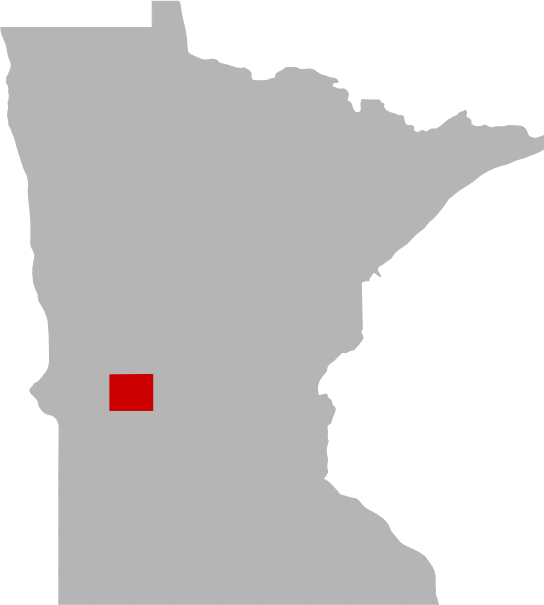
Pope County, Minnesota

Today's Fishing Forecast
Fishing looks to be not very active with peak fishing times around 3-5 PM. SEE MORE
Share your catch!
We want to see what you've caught on Gilchrist Lake.Frequently Asked Questions About Gilchrist Lake, MN
- How big is Gilchrist Lake?
- How deep is Gilchrist Lake?
- What kind of fish can you catch in Gilchrist Lake?
- Are there places to stay in the Gilchrist Lake area?
- Are there boat launches on Gilchrist Lake?
- Are there places to eat and drink near Gilchrist Lake?
- What are the fishing regulations for Gilchrist Lake?
- What is the average air temp for Gilchrist Lake?
- Are there any state parks near Gilchrist Lake?
How big is Gilchrist Lake?
How deep is Gilchrist Lake?
What kind of fish can you catch in Gilchrist Lake?
Other fish species in the lake include Banded Killifish, Fathead Minnow, Golden Shiner, Green Sunfish, Hybrid Sunfish, Johnny Darter, Tadpole Madtom and White Sucker.
Are there places to stay in the Gilchrist Lake area?
More Lodging Options
Are there boat launches on Gilchrist Lake?
Are there places to eat and drink near Gilchrist Lake?
What are the fishing regulations for Gilchrist Lake?
 There are specific fishing regulations Gilchrist Lake that you need to know. For complete fishing regulations visit the Minnesota Department of Natural Resources. To report a violation call (800) 652-9093. Need a Minnesota fishing license?
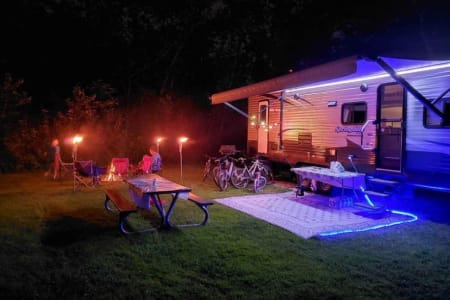
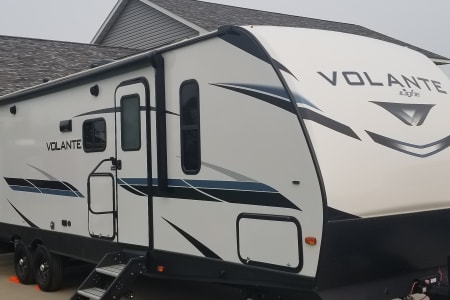
Explore the Gilchrist Lake area in a RV
Are you looking for an adventurous vacation option that won't break the bank? Look no further than renting an RV! Contrary to popular belief, the process is much simpler than you might imagine. With just a few easy steps, you'll soon be experiencing the ultimate freedom and convenience of exploring the open road in your very own recreational vehicle. And the best part? RV travel can save you up to 60% compared to other types of vacations! With the money you'll save, you'll be able to travel even more and create unforgettable memories along the way. So why wait? Start planning your next adventure today with an RV rental. Learn more about renting a RV.


What aquatic invasive species are found in Gilchrist Lake?
Join us in the fight to prevent the spread of invasive species These sneaky creatures can hitch a ride on boats, clinging onto propellers, anchor lines, and trailers. They can even survive in hidden places like bilge water and ballast tanks, or disguise themselves in dirt and sand that sticks to nets, buckets, anchors, and waders. But don't worry, we have the power to stop them in their tracks with just a few simple steps. So let's do our part and protect our waters from these unwanted invaders.
History & Status of the Fishery
Lake Gilchrist is a shallow 321-acre basin located in southeast Pope County. Maximum depth is 24.0 feet. Approximately 61% of the surface area is less than 15.0 feet in depth. The East Branch of the Chippewa River runs through the basin. Water quality and habitat conditions are variable in response to a large watershed. Water level has varied as much as 5 feet between dry and wet weather cycles. Water clarity can become seasonally poor due to excessive algal blooms, especially in late summer.
A standard lake survey was completed during May through July 2023 to assess the current fish community. Lake Gilchrist is classified as a bass/panfish type lake and is also stocked with Walleye to supplement their natural reproduction. Various life stages (fry, fingerling, yearling) of Walleye have been stocked over the years, including high density Walleye fingerling stockings from 2003 through 2017. Those high-density fingerling stockings failed to increase Walleye catch rates. Due to the greater success from past fry stockings, starting in 2018 Lake Gilchrist was switched back to Walleye fry stocking on an alternate year basis. Walleye catch rates increased slightly during the 2023 survey to the highest levels observed in nearly 40 years. Multiple year-classes of young Walleye should provide good Walleye fishing for several years to come. Average length of Walleye caught in this survey was 16.7 inches.
Lake Gilchrist has a history of producing large Bluegills, Black Crappies and Largemouth Bass. Starting in the spring of 2021, a special regulation was implemented that reduced the daily limit of sunfish from 20 to 10. This regulation change was intended to help maintain or improve the size of sunfish in Lake Gilchrist. Bluegill catch rates were moderate in 2023, but many of the fish were smaller. Only 3% of the Bluegill caught in the survey were over 8 inches. Lake Gilchrist has the potential to support a high quality Bluegill fishery. Bluegill up to 10.0 inches were observed in past surveys. Black Crappie catch rates were low, but many of those observed in the survey were large. A number of crappies from 11.0 to 14.5 inches were caught in the survey. Largemouth Bass abundance also remains low to moderate, but average size is large. Over half of the bass caught during the survey were 16.0 inches or longer, and fish over 20.0 inches have been observed in recent surveys.
Northern Pike catch rates returned to near average in the 2023 survey, after very high numbers of pike were encountered in the 2017 survey. While pike up to 31.6 inches were caught during this survey, average length was only 23.1 inches. Growth rates of Northern Pike in Lake Gilchrist are above average and most of the fish caught in the survey were 2 to 4 years old. Starting in May 2018, new Northern Pike regulations allowed for the opportunity to harvest more small pike. Lake Gilchrist falls within the north-central pike zone and anglers can harvest up to 10 Northern Pike less than 22 inches in length. Two of those pike may be longer than 26 inches, but none between 22 and 26 inches may be retained.
Quality fishing opportunities exist for multiple species in Lake Gilchrist. However, because of its small size, the fishery is vulnerable to over-harvest of larger fish. Anglers are encouraged to practice selective harvest to help maintain and improve the quality of the Lake Gilchrist fishery. Selective harvest encourages the release of larger fish while promoting harvest of more abundant smaller fish. Releasing medium to large fish will help restore and maintain fish community balance, as well as increase opportunities to catch large fish in the future.
Lake Gilchrist was designated as an infested water after the discovery of Eurasian watermilfoil in 1996 and zebra mussels in 2019. Recreational users should take necessary precautions to prevent the further spread of invasive species. Drain all water and remove all aquatic vegetation from your boat and trailer when leaving any body of water.
What is the average air temp for Gilchrist Lake?
Are there any state parks near Gilchrist Lake?
For more Minnesota State Park information see our State Park Guide.
More Nearby Lakes To Explore
There's more lake's to explore around Gilchrist Lake...| DISTANCE | ACRES | MAX DEPTH | |
| Lake Linka | 1.0 mi | 178 | 50 ft |
| Unnamed Lake | 1.5 mi | 32 | |
| Unnamed Lake | 1.8 mi | 27 | |
| Scandinavian Lake | 1.9 mi | 417 | 49 ft |
| Lake Hanson | 2.5 mi | 183 | |
| Unnamed Lake | 2.9 mi | 84 | |
| Goose Lake | 2.9 mi | 324 | 17 ft |
| Unnamed Lake | 3.2 mi | 15 | |
| Unnamed Lake | 3.6 mi | 22 | |
| Sather Lake | 3.6 mi | 20 |
