


Spring Lake
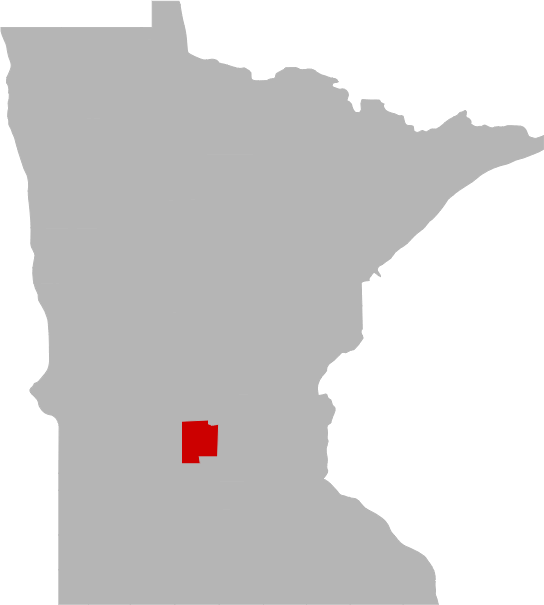
Meeker County, Minnesota

Today's Fishing Forecast
Fishing looks to be moderately active with peak fishing times around 8-9 AM and 3-5 PM. SEE MORE

Share Your Catch & Win!
Frequently Asked Questions About Spring Lake, MN
- How big is Spring Lake?
- How deep is Spring Lake?
- What kind of fish can you catch in Spring Lake?
- What are the closest cities to Spring Lake?
- Are there places to stay in the Spring Lake area?
- Are there boat launches on Spring Lake?
- Are there places to eat and drink near Spring Lake?
- What is the average air temp for Spring Lake?
How big is Spring Lake?
How deep is Spring Lake?
What kind of fish can you catch in Spring Lake?
Other fish species in the lake include Bluntnose Minnow, Fathead Minnow, Golden Shiner, Green Sunfish, Hybrid Sunfish, Spottail Shiner and White Sucker.
What are the closest cities to Spring Lake?
Are there places to stay in the Spring Lake area?
More Lodging Options
Are there boat launches on Spring Lake?
Are there places to eat and drink near Spring Lake?
Explore the Spring Lake area in a RV
Are you looking for an adventurous vacation option that won't break the bank? Look no further than renting an RV! Contrary to popular belief, the process is much simpler than you might imagine. With just a few easy steps, you'll soon be experiencing the ultimate freedom and convenience of exploring the open road in your very own recreational vehicle. And the best part? RV travel can save you up to 60% compared to other types of vacations! With the money you'll save, you'll be able to travel even more and create unforgettable memories along the way. So why wait? Start planning your next adventure today with an RV rental. Learn more about renting a RV.


History & Status of the Fishery
A standard survey was conducted at Spring Lake on June 18, 2018, to monitor the fish population. Spring is a class 34 lake and net catches were compared to similar lakes around the state. The 2014 lake management plan (LMP) listed Bluegill, Largemouth Bass, and Northern Pike as the primary management species while Black Crappie were considered a secondary management species. A total of 11 species, plus Hybrid Sunfish, were sampled in the gill nets (GN), trap nets (TN), or by spring night-time electrofishing targeting Largemouth Bass. On June 19, the dissolved oxygen concentration fell below 2.0 mg/l at 14.0 feet, indicating that some of the lake (maximum depth of 30 feet) lacked sufficient oxygen for fish use at this time of the year. Water clarity was fair, with a secchi disk reading of 5.9 feet. Curlyleaf Pondweed was common around the shoreline during netting week. Curlyleaf Pondweed is a non-native aquatic plant that can reach nuisance levels in May and June but typically dies back in early July. Spring Lake has a history of occasional winterkill with the latest significant event occurring in 2001. Fish populations (especially Bluegill and Largemouth Bass) can fluctuate widely depending on frequency and severity of winterkill. DNR Parks and Trails installed a fishing pier at the north end of the lake in 2018.
Gill nets sampled high numbers of Northern Pike (63) for a catch rate of 10.5/net, which was above the lake's normal range. The 2014 LMP's Northern Pike long range goal (>5.1/net) was met. The 2013 catch rate was 29.0/net. Catch rates from 1974 to 2018 (n=10) were variable, ranging from 0.2 to 29.0/net with an average of 10.4. Historically, recruitment could be classified as moderate (>5.0/GN) to high (>10.0/GN) at Spring Lake. Northern Pike were last stocked in 1991, indicating ample natural reproduction most years. In 2018, Northern Pike were 18.9 to 29.6 inches long with an average of 23.9. Trap nets sampled fish up to 33.1 inches in length. Data indicated a quality size structure. Size distributions indicated that multiple age classes were present. New Northern Pike zone regulations went into effect in the spring of 2018. Long is in the north central regulation zone, which has a 10 fish bag limit, where all fish from 22 to 26 inches in length have to be immediately released and only two harvested fish can be over 26 inches long. Darkhouse spearers are allowed to have one fish in the protected slot limit. Spring Lake was occasionally clear enough for darkhouse spearing, but many years was too turbid. Pike anglers should expect plenty of action at Spring Lake.
Trap nets sampled low to moderate numbers of Black Crappie (34) for a catch rate of 3.8/net, which was within the lake's normal range. The 2013 TN catch rate was similar at 2.4/net. Catch rates from 1974 to 2018 (n=10) were highly variable, ranging from 1.0 to 74.8/net with an average of 22.8. In 2018, TN Black Crappie were 3.7 to 9.1 inches long with an average of 5.7. Only 1 TN fish was 9 inches or longer, indicating a poor size structure. Gill nets sampled low numbers of Black Crappie (14) for a catch rate of 2.3/net, which was just below the lake's normal range and was tied for the second lowest catch rate on record. The 2013 GN catch rate was also 2.3/net. Gill net catch rates from 1974 to 2018 (n=10) were variable, ranging from 0.5 to 115.0/net with an average of 17.7. Gill netted Black Crappie were 4.4 to 9.6 inches long with an average of 6.5. Size distributions indicated inconsistent recruitment, but at least two year classes were present.
Gill nets and TN's failed to sample any Walleye in 2018. The 2013 GN catch rate was also 0.0/net. Catch rates from 1974 to 2018 (n=10), were all low, ranging from 0.0 to 0.2/net with an average of 0.0. Walleye were last stocked in 1965. The spring night-time electrofishing crew observed 1 Walleye during Largemouth Bass sampling. Anglers seeking Walleye should try nearby Collinwood or Big Swan Lakes.
Trap nets sampled moderate numbers of Bluegill (328) for a catch rate of 36.4/net which was within the lake's normal range. The 2014 LMP's Bluegill long range goal (>5.9/TN and <43.3/TN) was met. The 2013 TN catch rate was very similar at 33.3/net. Catch rates from 1974 to 2018 (n=10) were variable, ranging from 0.0 to 42.3/net, with an average of 19.4. An ecological shift seems to have occurred around and after 1993 making the lake more suitable for Bluegill. The average catch rate for the 1974 to 1992 time period (n=6) was 6.8/TN, while the average for the 1994 to 2018 time period (n=4) was 38.2/TN. This shift was likely due to the lake's better water quality conditions at least in part following the building of the city of Dassel's new water-water treatment plant around 1985. Before 1985, effluent ended up in Spring Lake, which led to excessive nutrients and intense algae blooms. In 2018, TN Bluegill were 3.2 to 8.8 inches long with an average of 5.2. Approximately 4% of the catch was 7.0 inches or longer, while 25% of the TN sample was 6 inches or longer. Data indicated a poor size structure in 2018. In 2018, size distributions indicated that multiple year classes were present and recruitment was probably fairly consistent.
Spring night-time electrofishing targeting Largemouth Bass sampled high numbers (274) of fish for a catch rate of 139.8/hour, which was the highest catch ever recorded at Spring Lake. The 2014 LMP's long range goal (>31.0/hour) was met. The 2013 catch rate was 31.0/hour. In 2018, electrofished Largemouth Bass were 6.7 to 20.5 inches long with an average of 11.1. An impressive 30 fish total were 18 inches or longer, indicating a high quality size structure. The electrofishing size distribution indicated that multiple age classes were present. Bass anglers can expect to find this species roaming in Spring's plentiful submerged vegetation beds.
Gill nets sampled low numbers of Yellow Perch (34) for a catch rate of 5.7/net, which was within the lake's normal range. The 2013 catch rate was 1.0/net. Catch rates from 1974 to 2018 (n=10) were variable, ranging from 0.5 to 17.8/net with an average of 6.5. In 2018, Yellow Perch were 4.9 to 6.6 inches long with an average of 6.2. Data indicated inconsistent recruitment. High numbers of Northern Pike since 2003 (average catch rate of 18.7/GN) have likely limited the Yellow Perch population.
Trap nets sampled low numbers of Common Carp (3) for a catch rate of 0.3/net which was within the lake's normal range and was the second lowest catch rate on record. Historic TN catch rates (n=10) from 1974 to 2018 were highly variable, ranging from 0.0 to 37.0/net with an average of 7.2. In 2018, the TN Common Carp were 20.0 to 23.5 inches in length. Gill nets also sampled low numbers of Common Carp (1) for a catch rate of 0.2/net, which was below the lake's normal range and the lowest catch rate on record. Historic GN catch rates (n=10) were highly variable, ranging from 0.2 to 78.5/net with an average of 18.8. Bluegill (a known predator on Common Carp eggs) catch rates have been relatively stable from 1994 to 2018 (averaging 38.2/TN) and numbers have likely been high enough to control Common Carp reproduction within Spring Lake.
Gill nets sampled moderate to high numbers of Black Bullhead (448) for a catch rate of 74.7/net, which was above the lake's normal range. The 2013 catch rate was much lower at 4.3/net. Historic GN catch rates from 1974 to 2018 (n=10) were highly variable, ranging from 4.3 to 117.0/net with an average of 53.2. Gill netted fish were 6.6 to 13.9 inches long with an average of 9.3. Trap nets sampled low numbers (10) of Black Bullhead for a catch rate of 1.1/net, which was within the lake's normal range and the second lowest catch rate on record. The 2013 TN catch rate was 0.7/net. Historic TN catch rates from 1974 to 2018 (n=10) were variable, ranging from 0.7 to 96.0/net with an average of 31.7. The size distributions indicated inconsistent recruitment.
Gill nets sampled moderate numbers of Yellow Bullhead (140) for a catch rate of 23.3/net which was above the lake's normal range and the highest ever measured at Spring Lake. The 2013 GN catch rate was 0.0/net. Historic GN catch rates from 1974 to 2018 (n=10) were mostly low, ranging from 0.0 to 23.3/net with an average of 3.1. In 2018, gill netted Yellow Bullhead were 5.5 to 14.3 inches long with an average of 9.3. Approximately 51% of the GN sample was 9 inches or longer indicating a quality population that may appeal to bullhead anglers. The GN size distribution indicated that multiple year classes were present.
Additional species sampled in the standard gear included; Brown Bullhead, Green Sunfish, and Pumpkinseed Sunfish.
What is the average air temp for Spring Lake?
More Nearby Lakes To Explore
There's more lake's to explore around Spring Lake...| DISTANCE | ACRES | MAX DEPTH | |
| Little Spring Lake | 0.9 mi | 77 | |
| Unnamed Lake | 1.2 mi | 10 | |
| Boo Lake | 1.3 mi | 37 | |
| Long Lake | 1.4 mi | 164 | 28 ft |
| Beaver Dam Lake | 2.0 mi | 57 | |
| Hart Lake | 2.3 mi | 57 | |
| Collinwood Lake | 3.1 mi | 639 | 28 ft |
| Little Swan Lake | 3.2 mi | 51 | 31 ft |
| Unnamed Lake | 3.2 mi | 22 | |
| Unnamed Lake | 3.4 mi | 44 |
