


Cedar Lake
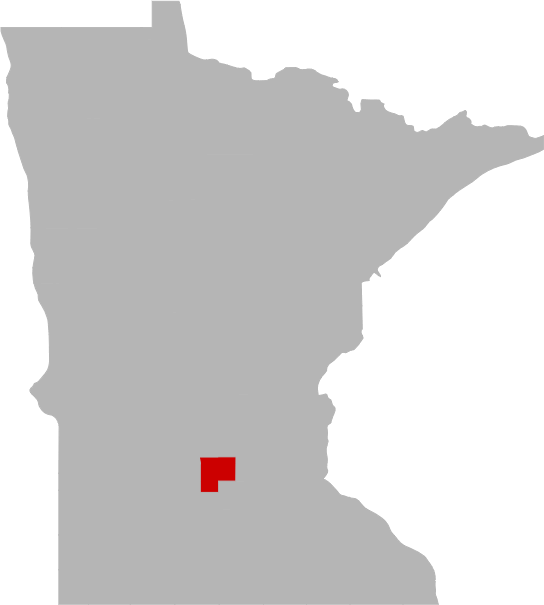
McLeod County, Minnesota

Today's Fishing Forecast
Fishing looks to be fairly active with peak fishing times around 3-5 PM. SEE MORE

Share Your Catch & Win!
Frequently Asked Questions About Cedar Lake, MN
- How big is Cedar Lake?
- How deep is Cedar Lake?
- What kind of fish can you catch in Cedar Lake?
- What are the closest cities to Cedar Lake?
- Are there places to stay in the Cedar Lake area?
- Are there boat launches on Cedar Lake?
- Are there places to eat and drink near Cedar Lake?
- What is the average air temp for Cedar Lake?
How big is Cedar Lake?
How deep is Cedar Lake?
What kind of fish can you catch in Cedar Lake?
Other fish species in the lake include Emerald Shiner, Fathead Minnow, Golden Shiner, Green Sunfish, Hybrid Sunfish, Orangespotted Sunfish, Spottail Shiner, Tadpole Madtom and White Sucker.
What are the closest cities to Cedar Lake?
Are there places to stay in the Cedar Lake area?
More Lodging Options
Are there boat launches on Cedar Lake?
Are there places to eat and drink near Cedar Lake?
What aquatic invasive species are found in Cedar Lake?
Join us in the fight to prevent the spread of invasive species These sneaky creatures can hitch a ride on boats, clinging onto propellers, anchor lines, and trailers. They can even survive in hidden places like bilge water and ballast tanks, or disguise themselves in dirt and sand that sticks to nets, buckets, anchors, and waders. But don't worry, we have the power to stop them in their tracks with just a few simple steps. So let's do our part and protect our waters from these unwanted invaders.
History & Status of the Fishery
A standard survey was conducted at Cedar, beginning on 6/04/18, to monitor the lake's fish population. Cedar was a class 41 lake and net catches were compared to similar lakes around the state. The 2009 lake management plan (LMP) listed Black Crappie and Northern Pike as primary management species, while Bluegill and Largemouth Bass were ranked as secondary species at Cedar. In 2018, a total of 16 species, plus Hybrid Sunfish, were sampled in the gill nets (GN) and trap nets (TN). Spring night-time electrofishing (EF) was conducted to sample Cedar's Largemouth Bass population. The dissolved oxygen concentration was 7.7 mg/l just off the bottom (8.0 feet), indicating that the lake was well mixed during netting week. Water clarity was fair with a secchi disk reading of 4.5 feet, due to an algae bloom. Cedar, being a shallow lake, has experienced partial winterkills in the past. Significant winterkills were documented in 2001 and 2014. Due to the lake's infrequent winterkills, in recent years anyways, quality fisheries have developed. Northern Pike and Black Crappie particularly, and Largemouth Bass occasionally. Fish populations, on Cedar, would be expected to fluctuate widely based on the frequency and severity of winterkill. Eurasian watermilfoil (EWM), an aquatic invasive species (AIS), was discovered in 2012. Curlyleaf pondweed, a non-native invasive aquatic plant, has been in Cedar for much longer that EWM, and was typically abundant in May and June, forming surface mats over large sections of the shallow lake. Low development and multiple islands make for an enjoyable fishing experience at Cedar, but anglers need to be aware of the lake's numerous shallow rock hazards.
Gill nets failed to sample any Walleye (0.0/net). The catch rate was below the normal range for this type of lake. Historic catch rates from 1975 to 2018 (n=8) were all low, ranging from 0.0 to 0.1/net with an average of 0.0. In 2018, TN's sampled one Walleye that was 26.0 inches in length. The Walleye was aged using scales and was estimated to be age-12. The fish was most likely an immigrant from Belle Lake. Past Cedar Lake GN catch rates indicated that few Walleye move out of Belle and into Cedar.
Gill nets sampled moderate numbers of Northern Pike (61) for a catch rate of 6.8/net, which was within the normal range for this type of lake and was tied for the second highest catch ever recorded at Cedar. The 2009 LMP's long range goal (> 1.2 and <7.8/net) was met. The 2008 catch rate was similar at 5.2/net. Catch rates from 1975 to 2018 (n=8) were variable, ranging from 0.0 to 6.9/net with an average of 3.8. Historically, recruitment would be classified as variable, likely due to the lakes winterkill nature. In 2018, gill netted Northern Pike were 17.1 to 34.4 inches long with an average of 24.2. Approximately 13% of the GN catch was 28 inches or longer, indicating a quality size structure. Northern Pike have never been stocked into Cedar Lake and natural reproduction has provided a sufficient fishery for many years. Northern Pike were not aged, but size distribution data indicated that multiple year classes were present. New Northern Pike zone regulations went into effect in the spring of 2018. Cedar was in the north central regulation zone, which had a 10 fish bag limit, where all fish from 22 to 26 inches in length had to be immediately released and only two harvested fish could be over 26 inches long. Spearers were allowed to have one fish in the protected slot limit. The regulation was designed to improve the size structure in lakes with "stunted" Northern Pike populations. Over the last two decades Cedar was rarely clear enough for spearing.
Trap nets sampled moderate numbers (38) of Black Crappie in 2018 for a catch rate of 7.6/net, which was within the normal range for this type of lake. The 2009 LMP's long range goal (>3.0/net) was met. The 2008 TN catch rate was 19.6/net. Catch rates from 1975 to 2018 (n=8) were variable, ranging from 0.0 to 44.0/net with an average of 11.7. Trap netted Black Crappie were 3.4 to 9.8 inches long with an average of 6.5. Only 13% of the TN catch was 9 inches or longer, indicating a low quality size structure. Gill nets sampled moderate numbers of Black Crappie (57) for a catch rate of 6.3/net, which was within the normal range for this type of lake. The 2008 GN catch rate was similar at 6.1/net. Catch rates from 1975 to 2018 (n=8) were highly variable, ranging from 0.0 to 45.6/net with an average of 7.8. Gill netted Black Crappie were 4.1 to 8.9 inches long with an average of 6.5. Approximately 21% of the GN catch was 8 inches or longer, indicating a population dominated by small fish. Black Crappie were not aged, but length frequency distributions indicated that multiple year classes were present. Black Crappie have never been stocked into Cedar Lake.
Trap nets sampled high numbers of Bluegill (215) for a catch rate of 43.0/net, which was above the lake's normal range and the highest catch rate ever recorded at Cedar. The 2009 LMP's long range goal for Bluegill (>1.1 and <14.9) was not met (too high). The 2008 TN catch rate was 1.9/net. Catch rates from 1975 to 2018 (n=8) were highly variable, ranging from 0.0 to 43.0/net, with an average of 7.0. In 2018, TN Bluegill were 3.6 to 6.7 inches long with an average of 5.1. Approximately 17% of the TN catch was 6 inches or longer, indicating a poor size structure. Bluegill were not aged. Data indicated that multiple year classes were present. Bluegill were intolerant to low oxygen levels and numbers can fluctuate widely at Cedar Lake depending on the latest winterkill event. Bluegill have never been stocked into Cedar Lake.
Spring night-time electrofishing sampled high numbers (116) of Largemouth Bass for a catch rate of 43.5/hour of sampling. The 2009 LMP's long range goal (maintain presence) was met. The 2008 catch rate was 10.5/hour. Historical EF catch rates (n=3) from 1998 to 2018 ranged from 10.5 to 55.1/hour with an average of 36.4. In 2018, Largemouth Bass were 4.5 to 17.2 inches long with an average of 11.0. Approximately 43% of the EF sample was 13 inches or longer, indicating a moderate size structure. Largemouth Bass were not aged, but the size distribution data indicated that most of the 13.0 to 14.9 inch fish were likely from the 2014 year class. Only 1 longer fish (17.2 inches) was sampled, probably indicating that few Largemouth Bass survived the 2014 Cedar Lake winterkill. Largemouth Bass immigrants, from connected Belle Lake, likely helped repopulate Cedar following the 2014 winterkill. Largemouth Bass have never been stocked into Cedar.
Gill nets sampled low numbers of Yellow Perch (13) for a catch rate of 1.4/net, which was below the lake's normal range and the second lowest catch rate ever recorded at Cedar. The 2008 catch rate was similar (1.3/net). Catch rates from 1975 to 2018 (n=8) were highly variable, ranging from 1.3 to 82.9/net with an average of 27.0. Yellow Perch have not been sampled in high numbers since 1998 (82.9/net). Gill netted Yellow Perch were 5.5 to 9.7 inches long with an average of 6.4. Only 1 fish was over 7 inches in length. Trap nets captured higher numbers (44) of Yellow Perch, ranging in length from 4.7 to 6.6 inches. Yellow Perch were not aged, but data indicated inconsistent recruitment.
Trap nets sampled low numbers of Common Carp (6) for a catch rate of 1.2/net, which was within the normal range for this type of lake. The 2008 catch rate was 6.6/net. Historic catch rates (n=8) from 1975 to 2018 were variable, ranging from 0.0 to 14.5/net with an average of 3.7. Trap netted Common Carp were 15.4 to 26.6 inches long with an average of 19.5. Gill nets sampled high numbers of Common Carp (38) for a catch rate of 4.2/net, which was within the normal range for this type of lake. Historic GN catch rates (n=8) were variable, ranging from 0.0 to 15.2/net with an average of 3.4. Gill netted Common Carp were 13.6 to 31.2 inches long with an average of 19.2. Size distribution data indicated that multiple year classes were present. High numbers of Common Carp, over the years, have likely had significant negative impacts on submergent plant abundance and water quality in Cedar Lake. Common Carp would be difficult to control, in Cedar, due to the lake's highly connected watershed (Belle Lake, Harden Lake, Hoff Lake, and the South Fork of the Crow River).
Gill nets sampled high numbers (1,006) of Black Bullhead for a catch rate of 111.8/net, which was above the normal range for this type of lake. Black Bullhead dominated the GN catch in 2018. The 2008 catch rate was 9.1/net. Historic GN catch rates from 1975 to 2018 (n=8) were mostly high, ranging from 9.1 to 218.3/net with an average of 93.1, as would be expected in a lake that winterkills. Black Bullhead were well made to survive low oxygen levels, and typically exhibit excellent reproduction following a significant winterkill. Gill netted Black Bullhead were 5.1 to 14.7 inches long with an average of 7.1. The majority of the fish were under 8 inches in length, indicating a poor size structure. Trap nets sampled high numbers (213) of Black Bullhead for a catch rate of 42.6/net which was within the normal range for this lake type. Trap netted Black Bullhead were 5.9 to 11.7 inches long with an average of 8.2.
Additional species sampled in the standard gear included; Bigmouth Buffalo, Bowfin, Brown Bullhead, Golden Shiner, Green Sunfish, Pumpkinseed Sunfish, White Sucker, and Yellow Bullhead.
What is the average air temp for Cedar Lake?
More Nearby Lakes To Explore
There's more lake's to explore around Cedar Lake...| DISTANCE | ACRES | MAX DEPTH | |
| Belle Lake | 1.6 mi | 864 | 25 ft |
| Clear Lake | 2.0 mi | 42 | 0 ft |
| Stahl's Lake | 2.3 mi | 141 | 37 ft |
| Popp Slough | 2.6 mi | 35 | |
| Greenleaf Lake | 2.6 mi | 238 | 18 ft |
| French Lake | 2.7 mi | 42 | 23 ft |
| Hoff Lake | 2.8 mi | 139 | 8 ft |
| Willie Lake | 2.8 mi | 192 | 17 ft |
| Lake Erie | 3.0 mi | 190 | 34 ft |
| Dettmans Lake | 3.1 mi | 30 | 0 ft |
