


Cache Lake
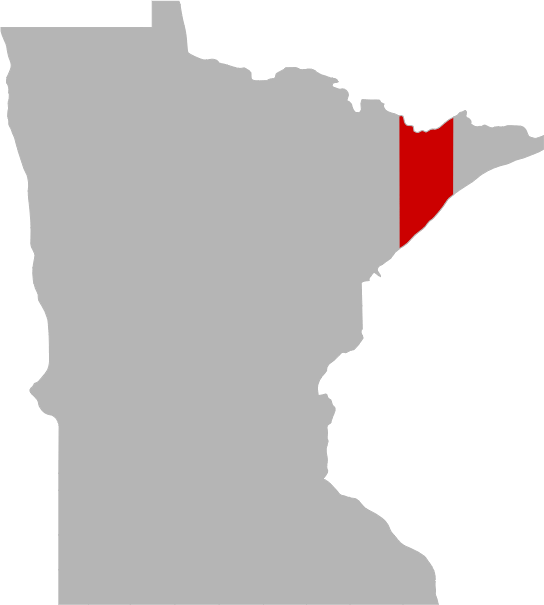
Lake County, Minnesota

Today's Fishing Forecast
Fishing looks to be not very active with peak fishing times around 3-4 PM. SEE MORE
Share your catch!
We want to see what you've caught on Cache Lake.Frequently Asked Questions About Cache Lake, MN
- How big is Cache Lake?
- How deep is Cache Lake?
- What kind of fish can you catch in Cache Lake?
- Are there places to stay in the Cache Lake area?
- Are there places to eat and drink near Cache Lake?
- What is the average air temp for Cache Lake?
How big is Cache Lake?
How deep is Cache Lake?
What kind of fish can you catch in Cache Lake?
Other fish species in the lake include Cisco (Tullibee) and White Sucker.
Are there places to stay in the Cache Lake area?
More Lodging Options
Are there places to eat and drink near Cache Lake?
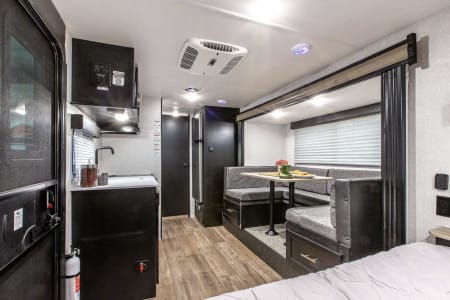
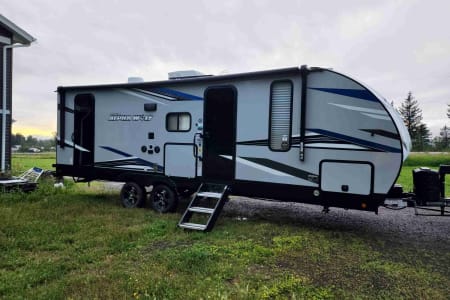
Explore the Cache Lake area in a RV
Are you looking for an adventurous vacation option that won't break the bank? Look no further than renting an RV! Contrary to popular belief, the process is much simpler than you might imagine. With just a few easy steps, you'll soon be experiencing the ultimate freedom and convenience of exploring the open road in your very own recreational vehicle. And the best part? RV travel can save you up to 60% compared to other types of vacations! With the money you'll save, you'll be able to travel even more and create unforgettable memories along the way. So why wait? Start planning your next adventure today with an RV rental. Learn more about renting a RV.


History & Status of the Fishery
Cache Lake is in Ecological Lake Class 17, which consists of 99 lakes in northeast Minnesota that are small, shallow, bowl-shaped, and have very soft (unmineralized) and bog-stained water. Cache Lake is smaller than many of the lakes in this lake class.Cache Lake was thermally stratified on 07/09/2001 with a surface temperature of 75 F and a bottom temperature of 50 F, and retained 2 ppm oxygen to a depth of 9 ft, where the temperature was 61 F. One small inlet is from Fast Lake, another drains local swamps. The outlet to Insula Lake is 40' wide by 1' deep. Bottom substrates along the shoreline are mostly boulder and ledgerock, with some sand and muck also present. Aquatic plants are mostly limited to small bays and grow to a depth of 4'; waterlilies and water celery are the most common plants.Cache Lake is in the Boundary Waters Canoe Area Wilderness on a no-motor route. Access is difficult: 17 miles and four portages from the nearest access, at Lake One. There is one campsite on the lake.Fish populations were assessed with gillnets only. Trapnets were not used due to the difficult access. Fish populations were low, and were dominated by northern pike and walleye. White sucker, cisco, and one smallmouth bass were also caught, and small pumpkinseed sunfish were observed in the shallows.The total catch of fish (all species combined) in 2001 of 9.5 fish/gillnet (12.9 lb/gillnet) was in the first quartile for this lake classes. Lake Class 17 is one of the most productive lake classes in northeast Minnesota, in terms of gillnet catches of fish.Northern pike numbers in 2001 ( 3.0/gillnet) were at the first quartile for this lake class. Pike sizes averaged 21.0" (2.8 lb) which is in the fourth quartile for this lake class. The largest pike was 31.7" (7.0 lb). Pike scales were difficult to read, but growth of pike through age five appeared to be slower than normal by area standards.Walleye numbers in 2001 (2.0/gillnet) were in the first quartile for this lake class. Walleye sizes averaged 14.2" (1.1 lb), which was near the median for this lake class. The largest walleye was 17.5" (1.9 lb). Three of the four walleye caught were age four. Walleye growth appeared to be normal by area standards.The presence of cisco in this shallow lake is probably due to migration from adjacent Insula Lake during cold water periods.
What is the average air temp for Cache Lake?
More Nearby Lakes To Explore
There's more lake's to explore around Cache Lake...| DISTANCE | ACRES | MAX DEPTH | |
| Fast Lake | 0.4 mi | 25 | |
| Jut Lake | 0.8 mi | 47 | |
| Unnamed Lake | 1.0 mi | 17 | |
| Beam Lake | 1.4 mi | 17 | |
| Museum Lake | 1.4 mi | 62 | |
| Coon Lake | 1.5 mi | 17 | |
| Sable Lake | 1.7 mi | 15 | |
| Lake Insula | 1.9 mi | 2,840 | 63 ft |
| Recline Lake | 2.0 mi | 12 | |
| Starlight Lake | 2.1 mi | 104 |
