


Little Sand Lake
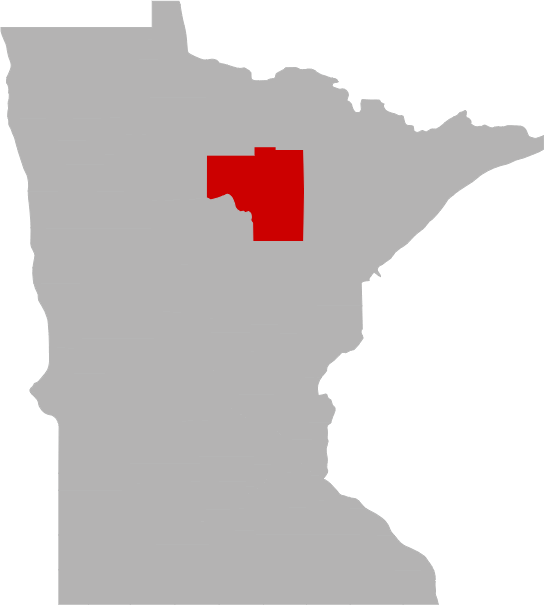
Itasca County, Minnesota

Today's Fishing Forecast
Fishing looks to be fairly active with peak fishing times around 3-5 PM. SEE MORE
Share your catch!
We want to see what you've caught on Little Sand Lake.Frequently Asked Questions About Little Sand Lake, MN
- How big is Little Sand Lake?
- How deep is Little Sand Lake?
- What kind of fish can you catch in Little Sand Lake?
- What are the closest cities to Little Sand Lake?
- Are there places to stay in the Little Sand Lake area?
- Are there boat launches on Little Sand Lake?
- Are there places to eat and drink near Little Sand Lake?
- What is the average air temp for Little Sand Lake?
- Are there any state parks near Little Sand Lake?
How big is Little Sand Lake?
How deep is Little Sand Lake?
What kind of fish can you catch in Little Sand Lake?
Other fish species in the lake include Blackchin Shiner, Blacknose Shiner, Johnny Darter and White Sucker.
What are the closest cities to Little Sand Lake?
Are there places to stay in the Little Sand Lake area?
More Lodging Options
Are there boat launches on Little Sand Lake?
Are there places to eat and drink near Little Sand Lake?
History & Status of the Fishery
Little Sand Lake is a 213-acre lake located 11 miles east of Grand Rapids. A county owned cement public access is located off Highway 70 on the northeast shore with parking for two boats with trailers. Little Sand Lake has a maximum depth of 44 feet and 54% of the lake is 15 feet or less. The lake has moderately hard water and low fertility. Water transparency was average in 2018 with visibility to 11 feet in mid-summer. The depth of water at which oxygen levels limit fish presence was 12 ft. in 2018. Little Sand Lake has two small inlets draining wetland areas and one outlet (Sand Creek) draining to Lammon Aid Lake. Other lakes with similar habitat in the Grand Rapids area include Little Splithand, Lower Panasa, and Jay Gould.
The 2018 survey was the sixth survey of the fish community since 1974. This survey was conducted to monitor the fish community for changes in species composition, abundance, size structure and growth. The gamefish species that are best suited for the lake are Largemouth Bass, Black Crappie, and Northern Pike. No special regulations are present. The 2005 management plan indicated Largemouth Bass and Black Crappie were primary management species, while Northern Pike, Bluegill and Walleye were secondary management species.
The Largemouth Bass population had average catch rates and size distribution. Bass have been sampled in 5 of 6 surveys and gill-net catch rates have had an increasing trend. Electrofishing was not conducted in 2018 due to staff reductions and weather; however, the 2011 electrofishing catch rate was similar to the average value for all prior Grand Rapids Area electrofishing surveys. Lengths in 2018 ranged from 7 to 18 inches, with an average of 12.7 inches. Size structure was average, as 38% of bass sampled exceeded 12 inches and 31% exceeded 15 inches. Conclusions from age and growth information collected in 2018 could not be made due to the small sample size. Due to the lake's small size, anglers are encouraged to release Largemouth Bass exceeding 15 inches to help maintain or improve size structure.
The Black Crappie population had above average catch rates, slightly below average size distribution, and below average growth. Trap net and gill net catches in 2018 were similar to previous averages. Lengths ranged from 3 to 10 inches, with an average of 7.5 inches. Size structure was below average, as 40% of crappie sampled exceeded 8 inches and 5% exceeded 10 inches. Some level of recruitment appears to occur regularly with six age classes sampled in 2018. However, typical of most crappie populations, there have been one or two primary year classes sampled in each of the past three surveys. Crappie were aged from 2 to 7 years old, with age 3 and 4 fish most common. Growth was below average, resulting in crappie taking five years to average 8 inches.
The Northern Pike population had lower catch rates and below average size distribution and growth. The gill net catch in 2018 was similar to the lake average. Higher catch rates are undesirable, as they are typically indicative of higher density populations with poor size structure and slow growth. Lengths ranged from 12 to 37 inches, with an average of 19 inches. Size structure was below average, as 24% of pike sampled exceeded 21 inches and 9% exceeded 28 inches. Pike were aged from 1 to 9 years old. Growth was below average, resulting in pike taking five years to average 21 inches. Due to the lake's small size, anglers are encouraged to release Northern Pike exceeding 26 inches and harvest up to 10 less than 22 inches to help improve size structure. Spearers are encouraged to harvest smaller pike also.
The Bluegill population had moderate catch rates, average size distribution, and below average growth. The trap-net catch in 2018 was similar to the lake average. Lengths of fish sampled ranged from 3 to 9 inches, with an average of 6.4 inches. Size structure was average, as 70% of Bluegill sampled exceeded 6 inches, and 18% exceeded 8 inches. Bluegill were aged from 3 to 12 years old. Growth was below average, resulting in Bluegill taking seven years to average 6 inches. Due to the lake's small size, anglers are encouraged to release Bluegill exceeding 8 inches to help improve size structure.
The Yellow Perch population had very low catch rates and poor size distribution. A total of two perch have ever been sampled with trap nets, while none have ever been sampled with gill nets in six surveys. One 5.5 inch perch was sampled in 2018. However, young-of-year and yearling perch were sampled in each of the five seining surveys that occurred from 1974 to 2004. Age and growth information has never been determined. Although perch are too small to interest anglers, they may be an important prey source for gamefish at times.
Other species sampled in this survey included Bowfin (Dogfish), Brown Bullhead, Hybrid Sunfish, Pumpkinseed Sunfish, Rock Bass, and Yellow Bullhead.
In order to maintain or improve fish and wildlife populations, water quality and habitat must be protected. People often associate water quality problems with large-scale agricultural, forestry, urban development or industrial practices in the watershed. In reality, the impact of land use decisions on one lake lot may be relatively small, yet the cumulative impact of those decisions on many lake lots can result in a significant decline in water quality and habitat. For example, removing shoreline and aquatic vegetation, fertilizing lawns, mowing to the water's edge, installing beach sand blankets, failing septic systems and uncontrolled run-off, all contribute excess nutrients and sediment which degrade water quality and habitat. Understanding these cumulative impacts and taking steps to avoid or minimize them will help to insure our quality fisheries can be enjoyed by future generations.
Anglers and boaters are reminded to help stop the spread of invasive species by removing all aquatic plants from boats, trailers, and equipment. All drain plugs must be removed and live and bait wells must be drained before leaving the access. Anglers and boaters are encouraged to power wash and thoroughly dry all equipment prior to use in another water body.
What is the average air temp for Little Sand Lake?
Are there any state parks near Little Sand Lake?
For more Minnesota State Park information see our State Park Guide.
More Nearby Lakes To Explore
There's more lake's to explore around Little Sand Lake...| DISTANCE | ACRES | MAX DEPTH | |
| Unnamed Lake | 0.6 mi | 27 | |
| Unnamed Lake | 1.3 mi | 20 | |
| Lammon Aid Lake | 1.5 mi | 63 | 21 ft |
| Foot Lake | 1.5 mi | 17 | |
| Unnamed Lake | 2.2 mi | 12 | |
| Rosholt Lake | 2.7 mi | 25 | |
| Bass Lake | 2.8 mi | 84 | |
| Unnamed Lake | 3.3 mi | 10 | |
| Unnamed Lake | 3.4 mi | 11 | 29 ft |
| Lower Panasa Lake | 3.5 mi | 248 | 25 ft |
