


Little Ball Club Lake
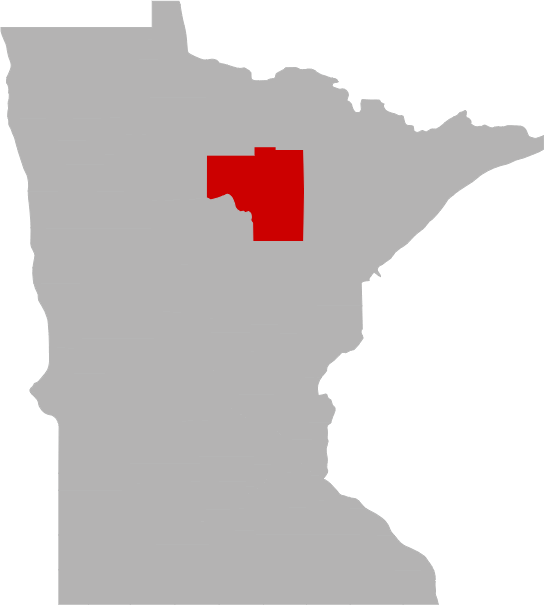
Itasca County, Minnesota

Today's Fishing Forecast
Fishing looks to be moderately active with peak fishing times around 3-5 PM. SEE MORE
Share your catch!
We want to see what you've caught on Little Ball Club Lake.Frequently Asked Questions About Little Ball Club Lake, MN
- How big is Little Ball Club Lake?
- How deep is Little Ball Club Lake?
- What kind of fish can you catch in Little Ball Club Lake?
- What are the closest cities to Little Ball Club Lake?
- Are there places to stay in the Little Ball Club Lake area?
- Are there boat launches on Little Ball Club Lake?
- Are there places to eat and drink near Little Ball Club Lake?
- What is the average air temp for Little Ball Club Lake?
- Are there any state parks near Little Ball Club Lake?
How big is Little Ball Club Lake?
How deep is Little Ball Club Lake?
What kind of fish can you catch in Little Ball Club Lake?
Other fish species in the lake include Blacknose Shiner, Golden Shiner, Hybrid Sunfish, Johnny Darter, Tadpole Madtom and White Sucker.
What are the closest cities to Little Ball Club Lake?
Are there places to stay in the Little Ball Club Lake area?
More Lodging Options
Lake-Link Featured Lodging


Are there boat launches on Little Ball Club Lake?
Little Ball Club Lake area businesses:
Are there places to eat and drink near Little Ball Club Lake?
Explore the Little Ball Club Lake area in a RV
Are you looking for an adventurous vacation option that won't break the bank? Look no further than renting an RV! Contrary to popular belief, the process is much simpler than you might imagine. With just a few easy steps, you'll soon be experiencing the ultimate freedom and convenience of exploring the open road in your very own recreational vehicle. And the best part? RV travel can save you up to 60% compared to other types of vacations! With the money you'll save, you'll be able to travel even more and create unforgettable memories along the way. So why wait? Start planning your next adventure today with an RV rental. Learn more about renting a RV.

2025 Forest River Cherokee Grey Wolf - Family Friendly & Adventure Ready!
Bemidji, MN

History & Status of the Fishery
Black Crappie are primary management species with Northern Pike and Bluegill being considered secondary management species. The 2010 lake management plan had goals of maintaining a Black Crappie gill net or trap net catch rate >3.5/net with size structure indices characterized by 90% greater than 8 inches, 50% greater than10 inches and 10% greater than 12 inches and a Bluegill trap net catch rate <6.1/net with size structure indices characterized by a 80% greater than 6 inches, 40% greater than 8 inches and 10% greater than 10 inches. The lake is passively managed through statewide regulations. This was one of many surveys conducted to assess the status of the fish population.
Trap net catches for Black Crappie have been above average for lakes with comparable habitat, sometimes well above the expected range. The catch was similar to the management plan goal. Size structure was fair and similar to the previous survey, though short of the ambitious management goal. Lengths ranged from 5.6 to 11.5 inches with an average length of 8.5 inches. Age determination identified ages 2 to 4 and 6 to 8. Recruitment seemed somewhat sporadic. Age 4 comprised 55% of the expanded age frequency. Growth was below average for all ages. Black Crappie averaged almost 9 inches by age 5.
Bluegill catches have typically been lower than expected compared to lakes of similar habitat, but have increased in recent surveys. The 2018 catch was low but still comparable to lakes with similar habitat and the previous survey. The catch was close to management goals while size structure was short. Lengths ranged from 3.2 to 9.5 inches with an average length of 6.1 inches. Age analysis identified ages 2 to 8, though ages 2 to 4 were well represented, containing 87% of the expanded age frequency. Growth surpassed the lake class averages and was similar to the previous survey. Bluegill averaged 7.8 inches by age 5.
Northern Pike are well suited for the lake, being one of the most abundant in gill nets and similar to the previous survey. Size structure was moderate and similar to the previous survey. Lengths ranged from 14.6 to 32.8 with an average length 23.5 inches. Fish within the north central protected slot regulation (22" to 26") comprised 40% of the catch. Ages 1 to 8 were represented and distribution was somewhat sporadic. Age 4 comprised 32% of the expanded age frequency. Growth was similar to the statewide averages for all ages with fish averaging 23.1 inches by age 4.
Yellow Perch catches have exceeded the expected range for similar lakes in all surveys, including the most recent. Size structure was poor with very few fish caught over 8 inches sampled and no fish over 10 inches, and similar to previous surveys. Lengths ranged from 5.2 to 9.9 inches with an average length of 7.0 inches.
Walleye are not well suited for lakes with comparable habitat. Only a few Walleye have been caught in the surveys, despite past stocking efforts and surplus stocking by LLIR. Four Walleye were caught with lengths from 22.1 to 25.2 inches in 2018.
Other species sampled include Bowfin, Brown Bullhead, Hybrid Sunfish, Largemouth Bass, Pumpkinseed Sunfish and White Sucker.
What is the average air temp for Little Ball Club Lake?
Are there any state parks near Little Ball Club Lake?
For more Minnesota State Park information see our State Park Guide.
More Nearby Lakes To Explore
There's more lake's to explore around Little Ball Club Lake...| DISTANCE | ACRES | MAX DEPTH | |
| Tuttle Lake | 0.8 mi | 49 | |
| Unnamed Lake | 1.4 mi | 17 | |
| Unnamed Lake | 1.5 mi | 35 | |
| Little Winnibigoshish Lake | 1.5 mi | 1,002 | 28 ft |
| Unnamed Lake | 2.0 mi | 10 | |
| School House Lake | 2.6 mi | 52 | |
| LLDRM-Pugnose Lake | 2.7 mi | 15 | |
| Unnamed Lake | 3.3 mi | 10 | |
| Tibbett Lake | 3.5 mi | 10 | |
| Unnamed Lake | 3.9 mi | 22 |
