


Highland Lake
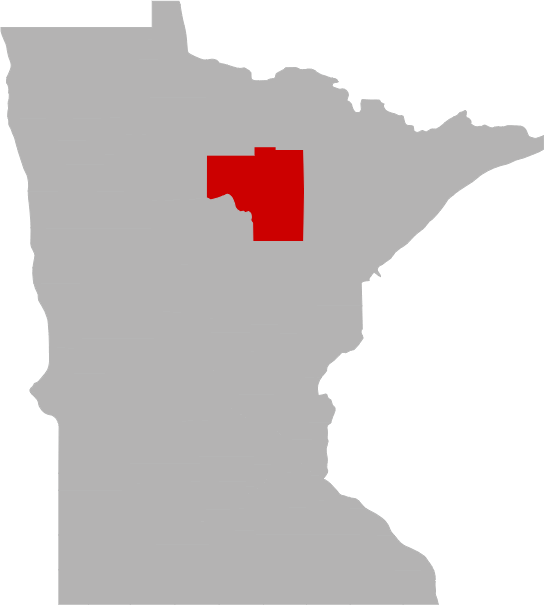
Itasca County, Minnesota

Today's Fishing Forecast
Fishing looks to be fairly active with peak fishing times around 7-8 AM and 3-5 PM. SEE MORE
Share your catch!
We want to see what you've caught on Highland Lake.Frequently Asked Questions About Highland Lake, MN
- How big is Highland Lake?
- How deep is Highland Lake?
- What kind of fish can you catch in Highland Lake?
- Are there places to stay in the Highland Lake area?
- Are there boat launches on Highland Lake?
- Are there places to eat and drink near Highland Lake?
- What is the average air temp for Highland Lake?
- Are there any state parks near Highland Lake?
How big is Highland Lake?
How deep is Highland Lake?
What kind of fish can you catch in Highland Lake?
Other fish species in the lake include Cisco (Tullibee) and Hybrid Sunfish.
Are there places to stay in the Highland Lake area?
More Lodging Options
Are there boat launches on Highland Lake?
Are there places to eat and drink near Highland Lake?
What aquatic invasive species are found in Highland Lake?
Join us in the fight to prevent the spread of invasive species These sneaky creatures can hitch a ride on boats, clinging onto propellers, anchor lines, and trailers. They can even survive in hidden places like bilge water and ballast tanks, or disguise themselves in dirt and sand that sticks to nets, buckets, anchors, and waders. But don't worry, we have the power to stop them in their tracks with just a few simple steps. So let's do our part and protect our waters from these unwanted invaders.
History & Status of the Fishery
Northern Pike and Bluegill are primary management species with Largemouth Bass and Black Crappie being considered secondary management species. The 2009 lake management plan had goals of maintaining a quality Northern Pike fishery characterized by a catch <5.0/gill net with 40% > 21" and 10% > 28", and maintain a Bluegill fishery characterized by a catch rate of 10/trap net and 60% > 6". Black Crappie and Largemouth Bass have no management goals. The lake is passively managed through statewide regulations. This is one of three surveys conducted to assess the status of the fish population.
Northern Pike are well suited for the lake, being the most abundant in gill nets (10.0/net) and similar to previous surveys (8.0/net in 1979 and 9.5/net in 1988), but above catches typically observed in similar lakes. The catch failed to attain the management catch goal. Size structure was good despite a high catch and small lake size, yet similar to the previous survey and the management size goal. Lengths ranged from 10.9 to 37.6 inches with an average length of 21.0 inches. Fish within the north central protected slot regulation (22" to 26") comprised 13% of the catch. Age analysis identified relatively consistent recruitment with ages 1 to 8 present in the sample and somewhat even distribution of middle ages. Growth was similar to the statewide averages for all ages. Northern Pike averaged 23.2 inches by age 5.
The Bluegill catch was similar to the previous survey and lakes with comparable habitat. Unfortunately, the catch was three times the management goal. Size structure was fair, though few fish exceeded 8 inches (PSD-6=78, PSD-8=13, PSD-10=0, n=245) and similar to previous surveys. Lengths ranged from 3.1 to 9.1 inches with an average length of 6.6 inches. Age analysis identified ages 3 to 10 suggesting relatively consistent recruitment. Ages 7 and 8 comprised 54% of the expanded age frequency. Growth was similar to the lake class average early but exceeded averages by age 5. Bluegill averaged 7.1 inches by age 7.
Largemouth Bass are suspected of being well suited for the lake, although limited information exists. Largemouth Bass were captured in all surveys, however test netting is a poor indicator of bass abundance. Lengths ranged from 9.9 to 17.4 inches. Ages 3, 4, 6 and 9 were identified. Growth was slow early but similar to statewide averages by age 3.
Trap netting caught a relatively high number of Black Crappie compared to lakes with similar habitat. Average numbers were caught in previous surveys. Size structure was moderate and similar to the past surveys. Lengths ranged from 7.4 to 11.5 inches with an average length of 9.3 inches. Age determination identified ages 3 to 7 and 9. Growth was slow, below statewide averages, but within 15% of averages by age 4. Black Crappie averaged 9.7 inches by age 6.
The Tullibee gill net catch was average and similar to previous surveys. Tullibee likely contribute to the favorable Northern Pike size structure. Lengths ranged from 10.0 to 16.2 inches with an average length of 14.5 inches.
Other species sampled include Golden Shiner, Hybrid Sunfish, Rock Bass, Pumpkinseed, Yellow Bullhead and Yellow Perch.
What is the average air temp for Highland Lake?
Are there any state parks near Highland Lake?
For more Minnesota State Park information see our State Park Guide.
More Nearby Lakes To Explore
There's more lake's to explore around Highland Lake...| DISTANCE | ACRES | MAX DEPTH | |
| Doe Lake | 0.8 mi | 17 | |
| Second Chain Lake | 0.8 mi | 702 | |
| Gum Lake | 0.9 mi | 702 | |
| Allen Lake | 0.9 mi | 57 | 25 ft |
| Gunn Lake | 0.9 mi | 382 | 55 ft |
| First Chain Lake | 0.9 mi | 702 | |
| Lake Elizabeth | 1.1 mi | 193 | 42 ft |
| Fourth Chain Lake | 1.3 mi | 59 | |
| George Lake | 1.4 mi | 20 | |
| Silver Lake | 1.5 mi | 12 |
