


Dark Lake
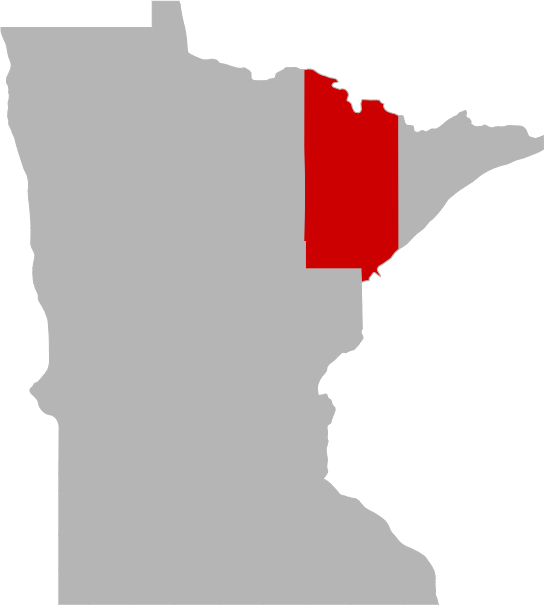
St. Louis County, Minnesota

Today's Fishing Forecast
Fishing looks to be moderately active with peak fishing times around 3-5 PM. SEE MORE
Share your catch!
We want to see what you've caught on Dark Lake.Frequently Asked Questions About Dark Lake, MN
- How big is Dark Lake?
- How deep is Dark Lake?
- What kind of fish can you catch in Dark Lake?
- What are the closest cities to Dark Lake?
- Are there places to stay in the Dark Lake area?
- Are there boat launches on Dark Lake?
- Are there places to eat and drink near Dark Lake?
- What is the average air temp for Dark Lake?
- Are there any state parks near Dark Lake?
How big is Dark Lake?
How deep is Dark Lake?
What kind of fish can you catch in Dark Lake?
Other fish species in the lake include Bluntnose Minnow, Common Shiner, Creek Chub, Golden Shiner, Johnny Darter, Shorthead Redhorse, Silver Redhorse, Spottail Shiner, Tadpole Madtom and White Sucker.
What are the closest cities to Dark Lake?
Are there places to stay in the Dark Lake area?
More Lodging Options
Are there boat launches on Dark Lake?
Are there places to eat and drink near Dark Lake?
Explore the Dark Lake area in a RV
Are you looking for an adventurous vacation option that won't break the bank? Look no further than renting an RV! Contrary to popular belief, the process is much simpler than you might imagine. With just a few easy steps, you'll soon be experiencing the ultimate freedom and convenience of exploring the open road in your very own recreational vehicle. And the best part? RV travel can save you up to 60% compared to other types of vacations! With the money you'll save, you'll be able to travel even more and create unforgettable memories along the way. So why wait? Start planning your next adventure today with an RV rental. Learn more about renting a RV.


History & Status of the Fishery
Dark Lake is a 232-acre lake located 7 miles north of Buhl, MN, within the Little Fork River watershed. A public access is located on the west shore of the northern basin. The lake has a maximum depth of 31 feet and 59 percent of the lake is less than 15 feet deep. Water chemistry analysis shows the lake has hard water and low fertility indicating the lake has a limited capacity to support a lot of fish. The lakes water is brown resulting in visibility to only five feet. The depth of water at which oxygen levels become insufficient for fish to be present, occurs around ten feet in the summer. The Dark River inlet is located on the east side of the southern basin and originates from an iron mining tailing basin. The Dark River outlet is located on the west side of the southern basin and ultimately flows into the Sturgeon River. Beaver dams are common on the Dark River resulting in seasonal restrictions to fish migration.
The 2016 survey was the ninth survey of the Dark Lake fish community since 1955. Surveys are conducted to monitor the fish population for changes in abundance, size distribution, and growth. The 2016 survey will also be used to evaluate the Walleye stocking plan when revising the Management Plan in 2017. Walleye fingerlings are have been stocked at a rate of 1 pound/littoral acre (138 pounds; acres of water less than 15 feet) in even years from 2006 to 2016. The 2007 management plan listed Northern Pike and Walleye as primary management species and Black Crappie as a secondary management species. In 2016, Walleye catch rates remained below the long range goal for the third consecutive survey, while Northern Pike catch rates exceeded the long range goal for the fourth consecutive survey. Low Walleye number reflects limited natural production and low survival of stocked fish. Higher Northern Pike numbers have been observed across north-central Minnesota in recent decades and are attributed primarily to high harvest of medium and large pike.
The gill net catch rate of Northern Pike in 2016 was the second highest observed, and exceeded catch rates for lakes with similar habitat. Lengths in 2016 ranged from 13 to 29 inches, with 69% of pike measuring less than 21 inches. The number of pike 21 inches or greater was the lowest observed since 1985. Ages in 2016 ranged from 2 to 6, with three year old fish being the most numerous (31%). Growth was below the statewide average for all ages, resulting in Northern Pike taking five years to exceed 21 inches. In general, the population is relatively high in number, has poor size distribution, and slow growth rates.
The electrofishing catch rate of Largemouth Bass in 2016 was similar to the catch rate in 2006, the first year bass were targeted in fish community surveys. Overall, catch rates in both surveys were below average when compared with other lakes within the Grand Rapids Fisheries Management Area. Lengths in 2016 ranged from 9-19 inches with 17 inch fish being the most frequently sampled (40%). No individuals exceeded 20 inches in either survey. Ages in 2016 ranged from 3 to 11, with eight year old fish being the most numerous (48%). Growth was below the statewide average for almost all ages, resulting in Largemouth Bass taking five years to exceed 12 inches. In general, the population is low in number, has average to good size distribution, and slow growth rates.
The trap net catch rate of Bluegill in 2016 was below average for the lake and for lakes with similar habitat. Lengths in 2016 ranged from 5 to 10 inches, with 61% of fish measuring 8+ inches. Ages in 2016 ranged from 5 to 14, with eleven year old fish being the most frequently sampled (26%). Growth for all ages was below average for lakes with similar habitat, resulting in Bluegill taking seven years to exceed 6 inches. In general, the population is low in number, has good size distribution, and slow growth rates. Harvest limited to individuals less than 8 inches is recommended.
The trap net catch rate of Black Crappie in 2016 was above average for the lake and lakes with similar habitat. Lengths in 2016 ranged from 3 to 11 inches; however, 77% were less than five inches. No fish 12+ inches have been sampled in any survey. Growth for all ages was below average for lakes with similar habitat, resulting in Black Crappie taking six years to exceed 8 inches. In general, the population is moderate in number, has a limited number of harvestable sized fish, and slow growth rates.
The gill net catch rate of Walleye in 2016 was below average for the lake and for lakes with similar habitat. Only two Walleye were sampled in 2016, which included a 12 and 18 inch fish. The two individuals sampled in 2016 were 3 and 7 years old and both from non-stocked years. Growth was below the statewide average for both fish, resulting in Walleye taking six years to exceed 15 inches. Despite fingerling stocking in even years since 2006, Walleye number remains low likely due to low perch number, hard water, and low lake fertility. In general, the population is low in number, has slow growth rates, and stocking did not contribute to catch rates.
The gill net catch rate of Yellow Perch in 2016 was below average for the lake and for lakes with similar habitat. Lengths in 2016 ranged from 5 to 6 inches, and only one fish 8 inches or greater has been sampled in all surveys since 1955, indicating consistently poor size structure and survival to harvestable sizes. Growth was below the statewide average for all ages. Low Yellow Perch abundance likely limits abundance of Walleye and other gamefish. In general, the population is low in number, has a very limited number of harvestable sized fish, and slow growth rates.
Other fish sampled in 2016 included: Pumpkinseed sunfish, Rock Bass, Shorthead Redhorse, and White Sucker.
In order to maintain or improve fish and wildlife populations, water quality and habitat must be protected. People often associate water quality problems with large-scale agricultural, forestry, urban development or industrial practices in the watershed. In reality, the impact of land use decisions on one lake lot may be relatively small, yet the cumulative impact of those decisions on many lake lots can result in a significant decline in water quality and habitat. For example, removing shoreline and aquatic vegetation, fertilizing lawns, mowing to the water's edge, installing beach sand blankets, failing septic systems and uncontrolled run-off, all contribute excess nutrients and sediment which degrade water quality and habitat. Understanding these cumulative impacts and taking steps to avoid or minimize them will help to insure our quality fisheries can be enjoyed by future generations.
Anglers and boaters are reminded to help stop the spread of invasive species by removing all aquatic plants from boats, trailers, and equipment. All drain plugs must be removed and live and bait wells must be drained before leaving the access. Anglers and boaters are encouraged to power wash and thoroughly dry all equipment prior to use in another water body.
What is the average air temp for Dark Lake?
Are there any state parks near Dark Lake?
For more Minnesota State Park information see our State Park Guide.
More Nearby Lakes To Explore
There's more lake's to explore around Dark Lake...| DISTANCE | ACRES | MAX DEPTH | |
| Camp A Lake | 0.9 mi | 18 | 31 ft |
| Lost Man Lake | 1.2 mi | 17 | |
| Mud Lake | 1.2 mi | 47 | |
| Clear Lake | 1.3 mi | 139 | 24 ft |
| Deepwater Lake | 2.3 mi | 22 | 37 ft |
| Deepwater Lake | 2.3 mi | 22 | 37 ft |
| Deepwater Lake | 2.3 mi | 22 | 37 ft |
| Moose Lake | 2.9 mi | 62 | |
| Lake Leander | 3.1 mi | 252 | 45 ft |
| Lake Fourteen | 4.3 mi | 386 | 15 ft |
