


Long Lake
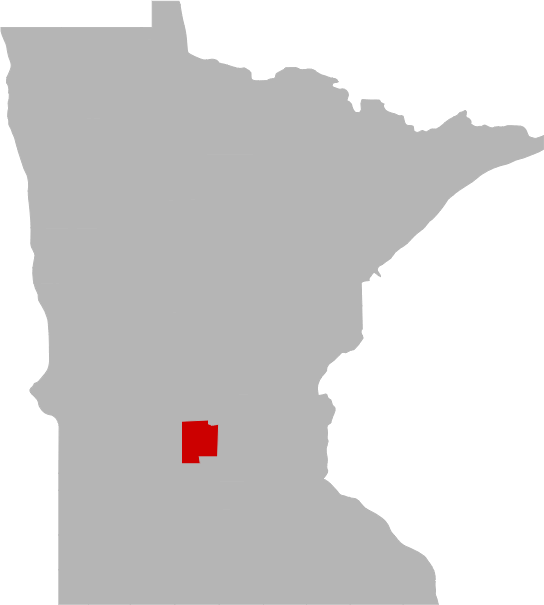
Meeker County, Minnesota

Today's Fishing Forecast
Fishing looks to be fairly active with peak fishing times around 4-6 PM. SEE MORE

Share Your Catch & Win!
Frequently Asked Questions About Long Lake, MN
- How big is Long Lake?
- How deep is Long Lake?
- What kind of fish can you catch in Long Lake?
- What are the closest cities to Long Lake?
- Are there places to stay in the Long Lake area?
- Are there boat launches on Long Lake?
- Are there places to eat and drink near Long Lake?
- What is the average air temp for Long Lake?
How big is Long Lake?
How deep is Long Lake?
What kind of fish can you catch in Long Lake?
Other fish species in the lake include Bluntnose Minnow, Golden Shiner, Green Sunfish, Hybrid Sunfish, Spottail Shiner and White Sucker.
What are the closest cities to Long Lake?
Are there places to stay in the Long Lake area?
More Lodging Options
Are there boat launches on Long Lake?
Are there places to eat and drink near Long Lake?
History & Status of the Fishery
A standard survey was conducted at Long Lake near Dassel, beginning on June 25, 2018, to monitor the fish population. Long is a class 34 lake and net catches were compared to similar lakes around the state. The 2014 lake management plan (LMP) listed Bluegill and Largemouth Bass as the primary management species while Northern Pike were considered a secondary management species. A total of 12 species, plus Hybrid Sunfish, were sampled in the gill nets (GN), trap nets (TN), or by spring night-time electrofishing, the latter of which targets Largemouth Bass. On June 25, the dissolved oxygen concentration fell below 2.0 mg/l at 16.0 feet, indicating that some of the lake (maximum depth of 28 feet) lacked adequate oxygen for fish use at this time of the year. Water clarity was excellent, with a secchi disk reading of 9.1 feet. Long Lake has had a history of occasional winterkill, with the latest significant event occurring in 2011. Fish populations can fluctuate greatly depending on the frequency and severity of winterkill at Long Lake. Curlyleaf Pondweed, a non-native aquatic plant, can be abundant during May and June and then typically dies back in early July.
Gill nets sampled high numbers of Northern Pike (65) for a catch rate of 10.8/net, which was above the lake's normal range and was the second highest catch ever measured at Long Lake. The 2014 LMP's Northern Pike long range goal (>2.3/net and <5.1/net) was not met. The 2013 catch rate was also high (14.7/net). Catch rates from 1973 to 2018 (n=10) were mostly low, ranging from 0.2 to 14.7/net with an average of 4.0. Historically, recruitment could be classified as low at Long Lake. In recent years (2013 to 2018, n=2) the average catch rate (12.7/GN) was six times higher than the average from the 1973 to 2008 time period (n=6) which was 1.9/GN. In 2018, GN Northern Pike were 18.3 to 32.1 inches long with an average of 23.0. Approximately 11% of the catch was 29 inches or longer, indicating a quality size structure. Size distributions indicated that multiple age classes were present. New Northern Pike zone regulations went into effect in the spring of 2018. Long is in the north central regulation zone, which has a 10 fish bag limit, where all fish from 22 to 26 inches in length have to be immediately released and only two harvested fish can be over 26 inches long. Darkhouse spearers are allowed to have one fish in the protected slot limit. Over the last 19 years, Long Lake was rarely clear enough for spearing.
Trap nets sampled low numbers of Black Crappie (2) for a catch rate of 0.2/net. The 2018 TN catch rate was below the lake's normal range. The 2013 TN catch rate was similar (0.8/net). Catch rates from 1973 to 2018 (n=11) were mostly low, ranging from 0.0 to 12.5/net with an average of 3.0. In 2018, the two TN Black Crappie were both 8.3 inches long. Gill nets also sampled low numbers of Black Crappie (15) for a catch rate of 2.5/net, which was within the lake's normal range. The 2013 GN catch rate was 0.3/net. Gill net catch rates from 1973 to 2018 (n=10) were variable, ranging from 0.3 to 10.0/net with an average of 4.4. Gill netted Black Crappie were 6.1 to 8.6 inches long with an average of 7.6. Size distributions and catch rates indicated inconsistent recruitment.
Gill nets and TN's failed to sample any Walleye in 2018. The 2013 Walleye GN catch rate was also 0.0/net. Catch rates from 1973 to 2018 (n=10), under various stocking regimes or no stocking, were mostly low, ranging from 0.0 to 7.0/net with an average of 1.6. Walleye were last stocked in 1994.
Trap nets sampled high numbers of Bluegill (1,060) for a catch rate of 117.8/net which was above the lake's normal range. The 2014 LMP's Bluegill long range goal (>5.9/TN and <43.3) was not met. The 2013 catch rate was much lower at 31.9/net. Catch rates from 1973 to 2018 (n=11) were variable, ranging from 10.8 to 181.1/net, with an average of 81.6. In 2018, TN Bluegill were 3.2 to 7.8 inches long with an average of 5.6. Approximately 8% of the catch was 7.0 inches or longer, indicating a poor size structure. Historical TN data from 1992 to 2018 (n=6) indicated a poor size structure most years. A partial winterkill in 2011 likely reduced Bluegill numbers significantly, allowing surviving fish to grow fast with reduced competition. Anecdotal reports indicated that anglers started harvesting good numbers of larger sized (7.0 to 7.5 inches in length) Bluegill around 2012 and 2013. In 2018, size distributions indicated that multiple year classes were present and recruitment was fairly consistent.
Spring night-time electrofishing targeting Largemouth Bass sampled moderate numbers (73) of fish for a catch rate of 36.5/hour. The 2014 LMP's long range goal (>22.5/hour) was met. The 2013 electrofishing catch rate was 49.5/hour. Electrofished Largemouth Bass were 6.1 to 21.7 inches long with an average of 14.0. Approximately 56% of the electrofishing sample was 14 inches or longer, indicating a quality size structure. The electrofishing size distribution indicated that multiple age classes were present, but recruitment was not strong every year.
Gill nets sampled low numbers of Yellow Perch (7) for a catch rate of 1.2/net, which was below the lake's normal range. The 2013 catch rate was 6.0/net. Catch rates from 1973 to 2018 (n=10) were variable ranging from 1.2 to 96.2/net with an average of 22.9. Yellow Perch were 5.4 to 6.0 inches long with an average of 5.7. Data indicated inconsistent recruitment, possibly due to higher numbers of predatory Northern Pike over the last five years.
Trap nets and GN's failed to sample any Common Carp in 2018. Common Carp were also not sampled in the 2013 TN's or GN's, possibly indicating that they were no longer present in Long Lake or that numbers are at an undetectably low level. Dead Common Carp were observed following the 2011 winterkill and none were sampled in the subsequent winterkill survey from the spring of that year. Historic summer TN catch rates (n=11) from 1973 to 2018 were mostly low, ranging from 0.0 to 5.8/net with an average of 1.0. Historic GN catch rates (n=10) were mostly low, ranging from 0.0 to 5.8/net with an average of 1.3.
Gill nets sampled low numbers of Black Bullhead (5) for a catch rate of 0.8/net, which was below the lake's normal range. The 2013 catch rate was even lower at 0.0/net. Historic GN catch rates from 1973 to 2018 (n=9) were mostly low, ranging from 0.0 to 27.7/net with an average of 9.8. Gill netted fish were 10.6 to 11.8 inches long with an average of 11.2. Trap nets failed to sample Black Bullhead in 2018 (0.0/TN), which was the lowest catch rate ever recorded at Long. The 2013 TN catch rate was 0.7/net. Historic TN catch rates from 1973 to 2018 were mostly low, ranging from 0.0 to 16.8/net with an average of 2.9. Size distributions indicated inconsistent recruitment.
Gill nets sampled high numbers of Yellow Bullhead (239) for a catch rate of 39.8/net which was above the lake's normal range and the highest catch ever measured at Long Lake. The 2013 GN catch rate was 1.0/net. Historic GN catch rates from 1984 to 2018 (n=8) were variable ranging from 0.0 to 39.8/net with an average of 6.9. In 2018, gill netted Yellow Bullhead were 5.4 to 15.1 inches long with an average of 10.3. Approximately 88% of the GN catch was 9 inches or longer, indicating a quality size structure.
Additional species sampled in the standard gear included; Bowfin, Brown Bullhead, Golden Shiner, Green Sunfish, and Pumpkinseed Sunfish.
What is the average air temp for Long Lake?
More Nearby Lakes To Explore
There's more lake's to explore around Long Lake...| DISTANCE | ACRES | MAX DEPTH | |
| Spring Lake | 1.2 mi | 201 | 30 ft |
| Unnamed Lake | 1.6 mi | 10 | |
| Mud Lake | 1.7 mi | 101 | |
| Little Swan Lake | 1.8 mi | 51 | 31 ft |
| Hart Lake | 1.8 mi | 57 | |
| Little Spring Lake | 2.1 mi | 77 | |
| Boo Lake | 2.6 mi | 37 | |
| Unnamed Lake | 2.6 mi | 44 | |
| Sellards Lake | 2.6 mi | 96 | |
| Beaver Dam Lake | 2.7 mi | 57 |


