


Dunns Lake
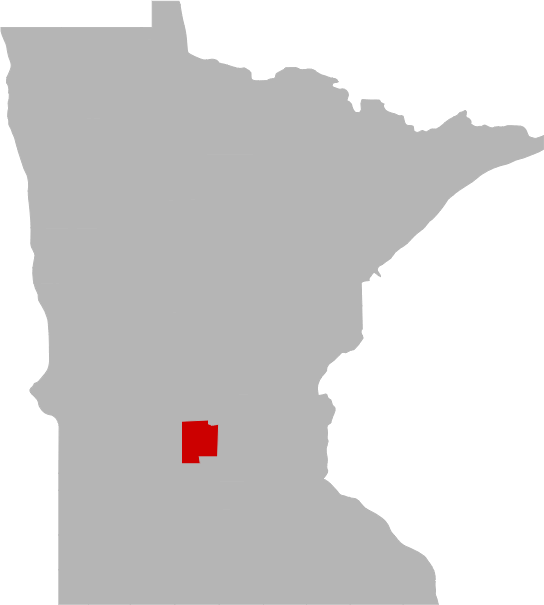
Meeker County, Minnesota

Today's Fishing Forecast
Fishing looks to be fairly active with peak fishing times around 9-10 AM and 4-6 PM. SEE MORE

Share Your Catch & Win!
Frequently Asked Questions About Dunns Lake, MN
- How big is Dunns Lake?
- How deep is Dunns Lake?
- What kind of fish can you catch in Dunns Lake?
- What are the closest cities to Dunns Lake?
- Are there places to stay in the Dunns Lake area?
- Are there boat launches on Dunns Lake?
- Are there places to eat and drink near Dunns Lake?
- What is the average air temp for Dunns Lake?
How big is Dunns Lake?
How deep is Dunns Lake?
What kind of fish can you catch in Dunns Lake?
Other fish species in the lake include Bluntnose Minnow, Common Shiner, Golden Shiner, Green Sunfish, Hybrid Sunfish, Johnny Darter, Spottail Shiner and White Sucker.
What are the closest cities to Dunns Lake?
Are there places to stay in the Dunns Lake area?
More Lodging Options
Are there boat launches on Dunns Lake?
Are there places to eat and drink near Dunns Lake?
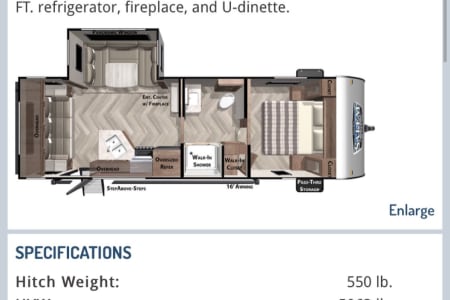
Explore the Dunns Lake area in a RV
Are you looking for an adventurous vacation option that won't break the bank? Look no further than renting an RV! Contrary to popular belief, the process is much simpler than you might imagine. With just a few easy steps, you'll soon be experiencing the ultimate freedom and convenience of exploring the open road in your very own recreational vehicle. And the best part? RV travel can save you up to 60% compared to other types of vacations! With the money you'll save, you'll be able to travel even more and create unforgettable memories along the way. So why wait? Start planning your next adventure today with an RV rental. Learn more about renting a RV.


History & Status of the Fishery
A standard survey was conducted at Dunns Lake on June 18, 2018, to monitor the lake's fish population and to do a preliminary evaluation of the Walleye stocking regime. Dunns is a class 30 lake (Schupp's Lake Classification System) and net catches were compared to similar lakes around the state. The 2013 lake management plan (LMP) listed Black Crappie, Northern Pike, and White Crappie as primary management species, while Bluegill, Largemouth Bass, and Walleye were ranked as secondary species at Dunns. In 2018, a total of 10 species were sampled in the gill nets (GN), trap nets (TN), and by spring night-time electrofishing (EF), targeting Largemouth Bass. The dissolved oxygen concentration fell below 2.0 mg/l at 13 feet, indicating a lack of suitable oxygenated habitat below this depth on this date. Water clarity was poor with a secchi disk reading of 2.0 feet. The cause for the reduced visibility was due to an algae bloom. Only Walleye were aged for this survey. There is a DNR aquatic management area (AMA) property on the southeast side of the lake with shore/wading fishing access for anglers. No formal aquatic plant survey was done in 2018, but Curlyleaf Pondweed, a non-native submergent aquatic plant, was found around most of the shoreline (light to abundant in density). Dunns Lake has a history of occasional winterkill with the last documented kill occurring in 1993. Winter dissolved oxygen levels were low in 2013, but a significant kill did not occur. Minor spring fish kills mostly affecting Black Crappie were documented in 2017 and 2018.
Gill nets sampled moderate numbers (33) of Walleye for a catch rate of 5.5/net, which was above the lake's normal range and the highest ever recorded at Dunns Lake. The LMP's long range Walleye goal (>1.5/GN) was met. The 2012 GN catch rate was 0.8/net. Historic catch rates from 1951 to 2018 (n=14), under various stocking regimes or no stocking were mostly low, ranging from 0.0 to 5.5/net with an average of 1.2. In 2018, Walleye were 16.3 to 24.9 inches long with an average of 18.1. All GN sampled Walleye were 16 inches or longer, indicating a quality size structure. Walleye were age-3 to age-10 with 4 year classes being present. Age-4 fish, a fingerling stocked year, were the most abundant, accounting for 88% of the GN aged fish. The 2014 year class would be considered strong. All other year classes were weak. Age classes from non-stocked year classes accounted for none of the 33 (100%) Walleye that were aged, possibly indicating that natural reproduction and immigration from the North Fork of the Crow River was not significant at Dunns. Connected Richardson Lake was stocked in the same years with the same year classes (fingerlings or yearlings) of fish from 2004 thru 2016. From 1992 to 2003, Walleye were not stocked into Dunns Lake and the GN catch rate in 1999 was 0.0/net, demonstrating that stocking is necessary to produce a fishery at Dunns. An every other year fingerling stocking regime (85 pounds) began in 2004 and produced a GN catch rate of 0.0/net in 2008 and 0.9/net in 2012. The stocking regime changed to 170 pounds every other year in 2010. Analysis of walleye stocking strategy is ongoing. A spring yearling stocking in 2016 (1,627 fish) only produced 2 fish in the 2018 GN catch. A fingerling shortage in 2018 forced personnel to stock yearlings (269 pounds) that year (with a few fingerlings and adults mixed in). In 2018, growth was moderate when compared to other lakes statewide.
Gill nets sampled low numbers of Northern Pike (17) for a catch rate of 2.8/net, which was within the lake's normal range. The 2013 LMP's long range goal (>2.5) was met. The 2012 GN catch rate was much higher (11.3/net). Historical catch rates (n=14) from 1951 to 2018 were mostly low, ranging from 0.0 to 11.3/net with an average of 1.9, indicating low recruitment most years.
In 2018, gill netted Northern Pike were 16.7 to 32.5 inches long with an average of 22.7. Northern Pike were last stocked into Dunns Lake in 1992. A small wet meadow is adjacent to the north side of the AMA and is believed to provide some spawning habitat during years when water levels are high enough. Northern Pike were not aged, but size distribution data indicated that multiple year classes were present, although recruitment would probably be classified as sporadic. New Northern Pike zone regulations went into effect in the spring of 2018. Dunns is in the north central regulation zone, which has a 10 fish bag limit, where all fish from 22 to 26 inches in length have to be immediately released and only two harvested fish can be over 26 inches long. Darkhouse spearers are allowed to have one fish in the protected slot limit.
Trap nets sampled high numbers (404) of Black Crappie in 2018 for a catch rate of 44.9/net, which was above the lake's normal range and the second highest on record at Dunns. The 2008 catch rate was even higher at 86.9/net. The 2013 LMP's long range goal (>5.0/TN) was met in 2018. Catch rates from 1951 to 2018 (n=15) were variable, ranging from 0.0 to 86.9/net with an average of 20.2. Trap netted Black Crappie were 3.7 to 15.6 inches long with an average of 6.5. Approximately 20% of the TN catch was 9 inches or longer, indicating modest size structure. Gill nets also sampled high numbers of Black Crappie (759) for a catch rate of 126.5/net, which was above the lake's normal range and the highest ever recorded at Dunns. The 2012 GN catch rate was 17.7/net. Gill net catch rates from 1974 to 2018 (n=13) were variable, ranging from 0.0 to 126.5/net with an average of 21.6. Gill netted Black Crappie were 4.0 to 11.5 inches long with an average of 5.9. Black Crappie were not aged, but size distributions indicated adequate recruitment.
Trap nets sampled high numbers of Bluegill (427) for a catch rate of 47.4/net which was within the lake's normal range. The 2018 TN catch rate was the second highest on record at Dunns. The 2013 LMP's long range goal for Bluegill (>6.5) was met. The 2008 TN catch rate was 10.6/net. Catch rates from 1951 to 2018 (n=15) were variable, ranging from 1.0 to 66.0/net, with an average of 19.5. In 2018, TN Bluegill were 3.4 to 9.1 inches long with an average of 6.6. Approximately 41% of the TN catch was 7 inches or longer, indicating a quality size structure. Bluegill were not aged, but size distribution data indicated that multiple year classes were present. Although no formal aquatic plant survey was done in 2018, a possible increase in submergent vegetation (Curlyleaf Pondweed) could be providing the habitat needed for increased Bluegill recruitment at Dunns Lake.
Spring night-time electrofishing targeting Largemouth Bass sampled moderate numbers (57) of fish for a catch rate of 39.2/hour, which was the second highest ever recorded at Dunns. The 2013 LMP's long range goal (>10/hour) was met. The 2008 EF catch rate was 10.4/hour. Historic catch rates from 1991 to 2018 (n=6) were variable, ranging from 1.0 to 47.2/hour with an average of 24.7. Largemouth Bass were 10.6 to 19.4 inches long with an average of 14.9. Approximately 84% of the EF sample was 13 inches or longer, indicating that a quality population was present. Largemouth Bass were not aged, but size distributions indicated that multiple age classes were present. Recruitment would not be considered consistent. Possible increases in the abundance of Curlyleaf Pondweed may be providing some additional habitat needed for better recruitment of Largemouth Bass at Dunns Lake.
Gill nets sampled moderate numbers (62) of Yellow Perch for a catch rate of 10.3/net which was within the normal range for this type of lake. The 2012 catch rate was 7.2/GN. Catch rates from 1951 to 2018 (n=14) were variable, ranging from 0.0 to 48.0/net with an average of 13.2. Gill netted Yellow Perch were 5.2 to 9.1 inches long with an average of 7.1. Only two Yellow Perch were 9 inches or longer, indicating a poor size structure as far as anglers were concerned. However, Yellow Perch were likely an important forage item for Walleye, Northern Pike, and other fish species.
Trap nets sampled low numbers (9) of White Crappie in 2018 for a catch rate of 1.0/net, which was within the normal range for this type of lake. The 2008 catch rate was much higher at 145.3/net. The 2013 LMP's long range goal (>1.5/TN) was not met in 2018. Catch rates from 1951 to 2018 (n=15) were variable, ranging from 0.0 to 265.2/net with an average of 46.5. In 2018, TN White Crappie were 8.7 to 12.3 inches long with an average of 11.4. Gill nets also sampled low numbers of White Crappie (3) for a catch rate of 0.5/net, which was within the lake's normal range. The 2012 GN catch rate was 1.2/net. Gill net catch rates from 1951 to 2018 (n=14) were mostly low, ranging from 0.0 to 11.0/net with an average of 3.9. Gill netted White Crappie were 8.7 to 12.4 inches long with an average of 10.1. White Crappie were not aged, but size distributions and catch rates indicated inconsistent recruitment.
Trap nets sampled low numbers (13) of Common Carp for a catch rate of 1.4/net, which was within the normal range for this type of lake. The 2008 TN catch rate was 0.9/net. Historic TN catch rates (n=15) from 1951 to 2018 were variable, ranging from 0.8 to 26.8/net with an average of 5.1. In 2018, TN Common Carp were 15.1 to 28.9 inches long with an average of 21.4. Gill nets sampled low to moderate numbers of Common Carp (18) for a catch rate of 3.0/net, which was also with the lake's normal range. Historic GN catch rates from 1974 to 2018 (n=13) were highly variable, ranging from 0.0 to 69.5/net with an average of 16.7. Gill netted Common Carp were 14.8 to 28.3 inches long with an average of 21.9. High numbers of Common Carp over the years have likely had significant negative impacts on submergent aquatic plant densities at Dunns Lake.
Gill nets sampled low numbers (2) of Black Bullhead for a catch rate of 0.3/net, which was below the lake's normal range and was the third lowest catch on record. The 2012 catch rate was similar at 0.2/net. Historic GN catch rates from 1974 to 2018 (n=13) were variable, ranging from 0.0 to 245.0/net with an average of 40.3. Gill netted Black Bullhead were 8.4 and 10.2 inches long with an average of 9.3. Trap nets also sampled low numbers (2) of Black Bullhead for a catch rate of 0.2/net which was below the lake's normal range. Historic TN catch rates from 1951 to 2018 (n=15) were highly variable, ranging from 0.0 to 569.6/net with an average of 48.6. Trap netted Black Bullhead were 6.2 and 13.1 inches long with an average of 9.7. Black Bullhead catch rates have not been high since 1999 (76.5/GN).
Additional species sampled in the standard gear included; White Sucker (0.8/GN) and Yellow Bullhead (0.4/TN).
What is the average air temp for Dunns Lake?
More Nearby Lakes To Explore
There's more lake's to explore around Dunns Lake...| DISTANCE | ACRES | MAX DEPTH | |
| Richardson Lake | 0.6 mi | 119 | 47 ft |
| Rice Lake | 1.7 mi | 69 | |
| North Buckley Lake | 2.1 mi | 15 | |
| South Buckley Lake | 2.2 mi | 62 | |
| Turtle Lake | 4.4 mi | 47 | |
| Mud Lake | 4.7 mi | 131 | |
| East Andrew Nelson Lake | 4.9 mi | 40 | |
| Lake Darwin | 4.9 mi | 163 | |
| Schultz Lake | 5.0 mi | 44 | |
| Stevens Lake | 5.3 mi | 30 |


