


Turtle Lake
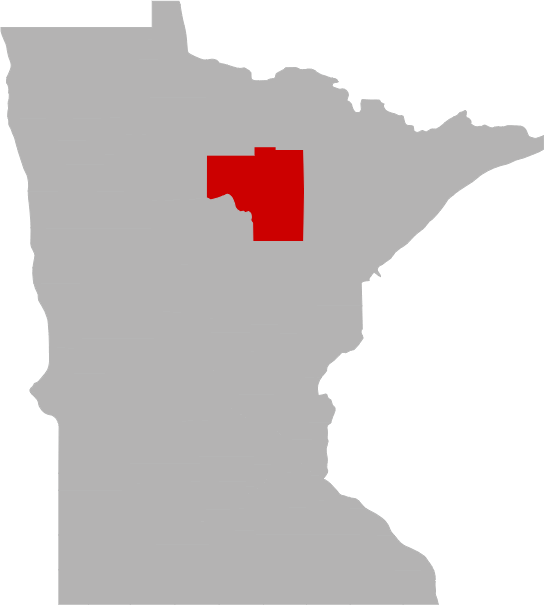
Itasca County, Minnesota

Today's Fishing Forecast
Fishing looks to be moderately active with peak fishing times around 7-8 AM and 3-5 PM. SEE MORE
Share your catch!
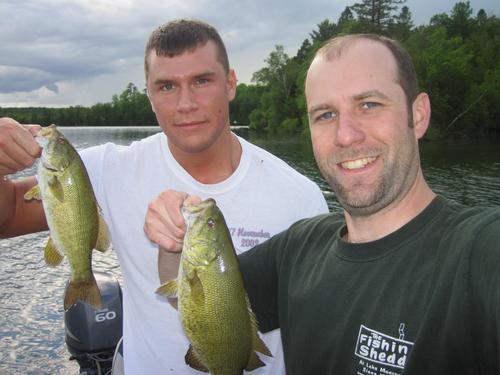
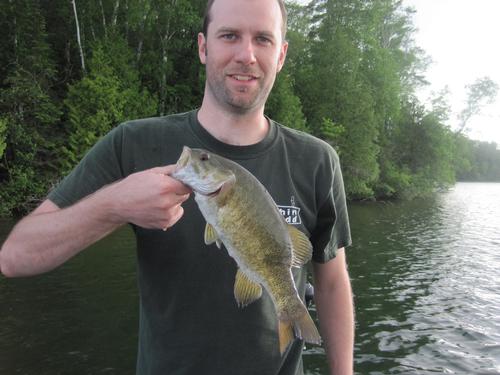
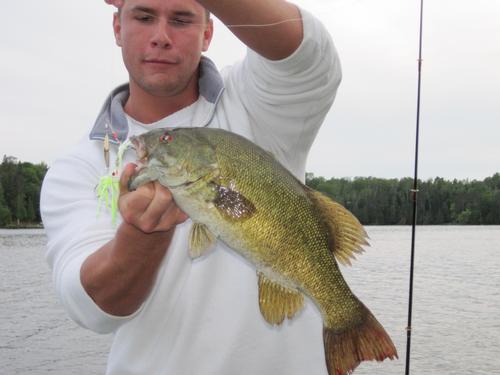
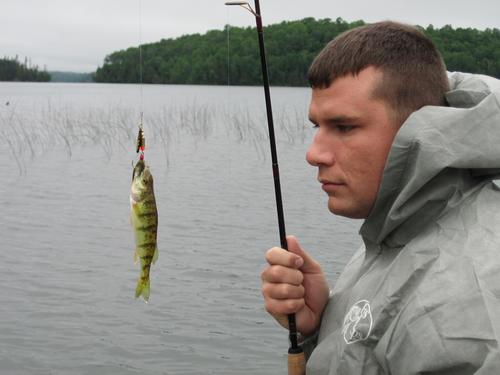
We want to see what you've caught on Turtle Lake.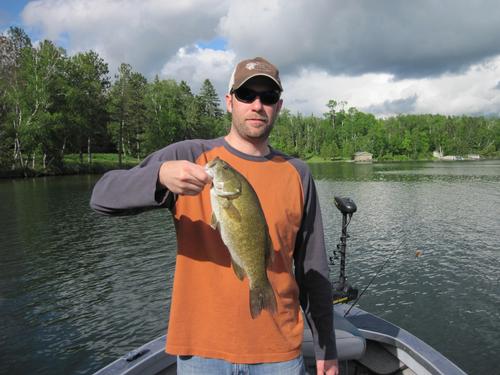

Frequently Asked Questions About Turtle Lake, MN
- How big is Turtle Lake?
- How deep is Turtle Lake?
- What kind of fish can you catch in Turtle Lake?
- What are the closest cities to Turtle Lake?
- Are there places to stay in the Turtle Lake area?
- Are there boat launches on Turtle Lake?
- Are there places to eat and drink near Turtle Lake?
- What are the fishing regulations for Turtle Lake?
- What is the average air temp for Turtle Lake?
- Are there any state parks near Turtle Lake?
How big is Turtle Lake?
How deep is Turtle Lake?
What kind of fish can you catch in Turtle Lake?
Other fish species in the lake include Banded Killifish, Blacknose Shiner, Bluntnose Minnow, Brook Stickleback, Central Mudminnow, Cisco (Tullibee), Common Shiner, Golden Shiner, Hybrid Sunfish, Iowa Darter, Johnny Darter, Lake Whitefish, Mottled Sculpin, Pugnose Shiner, Shorthead Redhorse, Tadpole Madtom and White Sucker.
What are the closest cities to Turtle Lake?
Are there places to stay in the Turtle Lake area?
More Lodging Options
Are there boat launches on Turtle Lake?
Are there places to eat and drink near Turtle Lake?
What are the fishing regulations for Turtle Lake?
 There are specific fishing regulations Turtle Lake that you need to know. For complete fishing regulations visit the Minnesota Department of Natural Resources. To report a violation call (800) 652-9093. Need a Minnesota fishing license?
Explore the Turtle Lake area in a RV
Are you looking for an adventurous vacation option that won't break the bank? Look no further than renting an RV! Contrary to popular belief, the process is much simpler than you might imagine. With just a few easy steps, you'll soon be experiencing the ultimate freedom and convenience of exploring the open road in your very own recreational vehicle. And the best part? RV travel can save you up to 60% compared to other types of vacations! With the money you'll save, you'll be able to travel even more and create unforgettable memories along the way. So why wait? Start planning your next adventure today with an RV rental. Learn more about renting a RV.
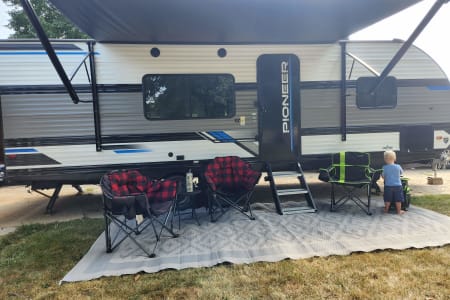

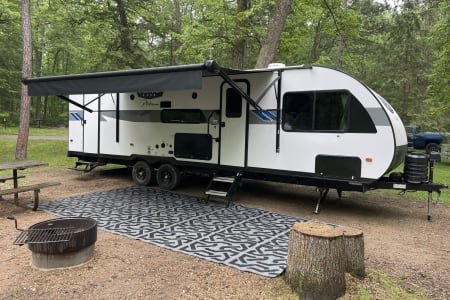
2025 Forest River Cherokee Grey Wolf - Family Friendly & Adventure Ready!
Bemidji, MN

What aquatic invasive species are found in Turtle Lake?
Join us in the fight to prevent the spread of invasive species These sneaky creatures can hitch a ride on boats, clinging onto propellers, anchor lines, and trailers. They can even survive in hidden places like bilge water and ballast tanks, or disguise themselves in dirt and sand that sticks to nets, buckets, anchors, and waders. But don't worry, we have the power to stop them in their tracks with just a few simple steps. So let's do our part and protect our waters from these unwanted invaders.
History & Status of the Fishery
Turtle Lake is a 2,052 acre lake with 556 littoral acres (27%) and a maximum depth of 137 feet. The 25.8 mile shoreline is moderately developed but interspersed with large undeveloped parcels. There are two inlets, from Hatch and Maple Lake(s), and one outlet through Turtle River. There is a small US Forest Service access on the northeast shore with limited parking. Walleye are a primary management species and have been stocked at various rates and frequencies in the past, but have been stocked at a rate of one pound/littoral acre (556 pounds) in even years since 2002. Rusty crayfish, an invasive species, has been documented at various abundances in past surveys.
The fisheries lake management plan (LMP) was last revised in 2011. Walleye were listed as the primary management species with a management goal of maintaining a gill net catch rate above 4.0/net. Smallmouth Bass are also considered a primary management species. The goal was to increase or maintain Smallmouth Bass PSD-11 above 80, RSD-14 above 60 and RSD-17 above 20 with a gill net catch rate above 3.0/net. A 12 to 20 inch with one over 20 inches in possession protected slot length special regulation was implemented in the spring of 2006. Northern Pike are considered a secondary management species with management goals of a catch rate less than 3.0/net and fish greater than 34 inches present. Black Crappie and Largemouth Bass are also considered secondary management species. The purpose of the survey was to evaluate fingerling stocking and the status of the fishery.
Turtle Lake has a long history of Walleye catches that are comparable to lakes with similar habitats. The 2017 catch rate of 4.9/gill net was similar to the previous surveys and met the management goals. There was a diverse range of sizes sampled, similar to previous assessments. Lengths ranged from 12.1 to 29.3 inches with an average length of 17.7 inches. Age analysis suggested year classes were fairly well dispersed.
This was the second survey since the Smallmouth Bass regulation was implemented. Smallmouth Bass were sampled at a rate of 3.9/gill net, similar to previous surveys and exceeding management goals. Size structure was good, surpassing management goals and the previous survey. Lengths ranged from 6.1 to 20.1 inches with an average length of 16.2 inches. Electrofishing was also conducted to complement the sample size. Lengths from the electrofishing sample ranged from 4.9 to 19.4 inches with an average length of 14.0 inches.
Northern Pike are not abundant and typically sampled below the expected range for similar lakes. The low catches are likely related to limited spawning habitat. The 2017 catch was the lowest since 1954. Lengths ranged from 19.3 to 37.1 inches with a mean length of 24.2 inches. Northern Pike averaged 24.5 inches by age 4.
Black Crappie were caught in relatively low numbers yet comparable to lakes with similar habitats. Sample size was too small to accurately assess size structure, though fish almost 12 inches were sampled.
Yellow Perch were sampled at a rate lower than expected yet similar to previous surveys. Lengths ranged from 5.3 to 8.4 inches. Tullibee were the most abundant species sampled in gill nets, while still within the expected range. Tullibee are likely an important prey species due in part to the range of sizes available and the lack of Yellow Perch.
Other species sampled included Bluegill, Bowfin, Lake Whitefish, Largemouth Bass, Pumpkinseed Sunfish, Rock Bass, Yellow Bullhead and White Sucker.
What is the average air temp for Turtle Lake?
Are there any state parks near Turtle Lake?
For more Minnesota State Park information see our State Park Guide.
More Nearby Lakes To Explore
There's more lake's to explore around Turtle Lake...| DISTANCE | ACRES | MAX DEPTH | |
| Grass Lake | 1.0 mi | 120 | 54 ft |
| Maple Lake | 1.6 mi | 255 | 39 ft |
| Little Ranier Lake | 1.9 mi | 53 | 48 ft |
| Rice Lake | 2.3 mi | 32 | 0 ft |
| Johnson Lake | 2.6 mi | 304 | 51 ft |
| Ranier Lake | 2.6 mi | 90 | 45 ft |
| Little Turtle Lake | 2.7 mi | 492 | 29 ft |
| Horseshoe Lake | 2.8 mi | 260 | 25 ft |
| Lundeen Lake | 2.9 mi | 85 | 30 ft |
| Bello Lake | 2.9 mi | 527 | 58 ft |
