


Long Lake (Main Bay)
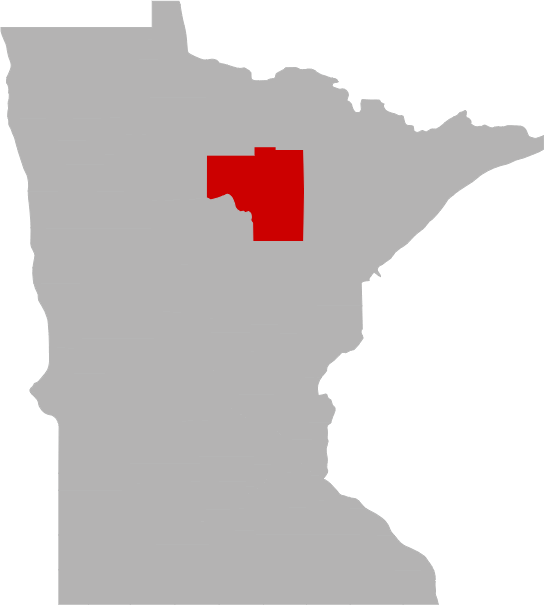
Itasca County, Minnesota

Today's Fishing Forecast
Fishing looks to be moderately active with peak fishing times around 3-5 PM. SEE MORE
Share your catch!
We want to see what you've caught on Long Lake (Main Bay).Frequently Asked Questions About Long Lake (Main Bay), MN
- How big is Long Lake (Main Bay)?
- How deep is Long Lake (Main Bay)?
- What kind of fish can you catch in Long Lake (Main Bay)?
- Are there places to stay in the Long Lake (Main Bay) area?
- Are there boat launches on Long Lake (Main Bay)?
- Are there places to eat and drink near Long Lake (Main Bay)?
- What is the average air temp for Long Lake (Main Bay)?
- Are there any state parks near Long Lake (Main Bay)?
How big is Long Lake (Main Bay)?
How deep is Long Lake (Main Bay)?
What kind of fish can you catch in Long Lake (Main Bay)?
Other fish species in the lake include Golden Shiner, Green Sunfish and White Sucker.
Are there places to stay in the Long Lake (Main Bay) area?
More Lodging Options
Are there boat launches on Long Lake (Main Bay)?
Are there places to eat and drink near Long Lake (Main Bay)?
Explore the Long Lake (Main Bay) area in a RV
Are you looking for an adventurous vacation option that won't break the bank? Look no further than renting an RV! Contrary to popular belief, the process is much simpler than you might imagine. With just a few easy steps, you'll soon be experiencing the ultimate freedom and convenience of exploring the open road in your very own recreational vehicle. And the best part? RV travel can save you up to 60% compared to other types of vacations! With the money you'll save, you'll be able to travel even more and create unforgettable memories along the way. So why wait? Start planning your next adventure today with an RV rental. Learn more about renting a RV.

2025 Forest River Cherokee Grey Wolf - Family Friendly & Adventure Ready!
Bemidji, MN


History & Status of the Fishery
Long Lake is located approximately 16 miles southeast of Bigfork, MN, within the Mississippi River watershed. Other similar lakes in this area include: Balsam, Grave and North Star. The 331 acre lake has 177 littoral acres (less than 15 feet), a 34 foot maximum depth and is moderately developed along the 8.9 mile shoreline. There is a state owned public access located on the south central shore. Secchi disk transparency, a standard measure of water clarity, has averaged 7.9 feet over seven surveys and has ranged from 6.0 - 10.1 feet. The West Fork of the Prairie River flows through the lake. The lake outlet was modified in 2015 by the DNR Stream Habitat Program in order to enhance fish passage. The water level control structure was removed and a rock weir was installed. The rock weir was further modified in 2017 to lower the lake level.
The 2007 Lake Management Plan (LMP) lists Northern Pike and Black Crappie as primary management species due to habitat suitability and angler interest. The lake is also well suited for Bluegill and Largemouth Bass and these were listed as secondary species. The LMP goals were to: 1) maintain a Northern Pike population that is characterized by a gill net catch rate of 5.0/net with 40% longer than 21 inches and 5% longer than 28 inches and 2) maintain a Black Crappie population that is characterized by a trap net catch rate of 5.0/net.
A standard survey was conducted in late June 2017 to assess the status and characteristics of the fish community using nine gill nets and eight trap nets. A night electrofishing survey was conducted on May 24, 2017 to obtain additional information on the Largemouth Bass and Black Crappie populations.
In general, the Northern Pike population is average in abundance, has poor size distribution and average growth rates. The Northern Pike gill net catch rate decreased slightly from 7.1/net in 2007 to 5.7/net, but remains within the range typical of lakes with similar habitats. The Northern Pike gill net catch rate ranged from 2.9 - 13.6/net in the five surveys prior to 2007. Management goals were met for gill net catch rate but not size structure. Northern Pike from gill nets ranged from 13.1 - 29.9 inches and averaged 20.4 inches. Size structure was poor as 45% exceeded 21 inches and 2% exceeded 28 inches. Growth rates were similar to the statewide average with an average length of 20.3 inches at age-4. Eight consecutive age classes (ages 1 - 8) were represented in the sample.
The Black Crappie population has poor size structure and slow growth rates. Black Crappie were captured at a rate of 3.1/trap net, which was within the typical range for similar lakes, but did not meet the management goal. Electrofishing sampled Black Crappie at a rate of 28.4/hr on-time. Black Crappie from electrofishing ranged from 4.9 - 9.8 inches with an average of 8.0 inches, while those from trap nets ranged from 4.6 - 11.5 inches and averaged 6.8 inches. Black Crappie growth rates were slower than those from similar lakes with an average length of 7.5 inches at age-4. Three consecutive age classes (ages 3 - 5) were represented in the sample.
The Bluegill population can be described as average in abundance, with moderate size structure and average growth rates. The Bluegill trap net catch rate increased slightly from 14.0/net in 2007 to 18.5/net but remained within the typical range for similar lakes. Bluegill trap net catch rates have been within this range in all surveys since 1976. Bluegill from trap nets ranged from 3.1 - 9.1 inches with an average of 5.8 inches. Size structure was moderate as 49% exceeded six inches and 10% exceeded eight inches. Bluegill growth rates were typical of similar lakes with an average length of 6.3 inches at age-6. Eight consecutive age classes (ages 2 - 9) were represented in the sample.
The Largemouth Bass population had good size structure and average growth rates. The Largemouth Bass electrofishing catch rate decreased from 30.4/hr in 2007 to 14.4/hr. Largemouth Bass ranged from 7.5 - 19.0 inches, with an average of 13.6 inches. Size structure was similar to 2007 with 68% of the sample exceeding 12 inches and 41% exceeding 15 inches. Growth rates remained similar to the statewide average with an average length of 12.7 inches at age-4. Six consecutive age classes (ages 2 -7) were represented in the sample.
One Walleye was sampled in this survey which measured 18.5 inches. Walleye gill net catch rates have been low in all surveys and have varied from 0 - 1.1/net. Walleye were stocked intermittently from 1946 - 1967 and regularly from 1985 - 1991. Walleye stocking was discontinued in 1992 because it did not succeed in increasing the population. However, with the modification of the lake outlet, fish are better able to move throughout the Prairie River system.
Other species sampled include: Brown Bullhead, Golden Shiner, Pumpkinseed Sunfish, White Sucker and Yellow Bullhead.
What is the average air temp for Long Lake (Main Bay)?
Are there any state parks near Long Lake (Main Bay)?
For more Minnesota State Park information see our State Park Guide.
More Nearby Lakes To Explore
There's more lake's to explore around Long Lake (Main Bay)...| DISTANCE | ACRES | MAX DEPTH | |
| Gunny Sack Lake | 1.0 mi | 86 | 13 ft |
| Unnamed Lake | 1.3 mi | 20 | |
| Unnamed Lake | 1.4 mi | 25 | |
| Buckman Lake | 1.5 mi | 232 | |
| Little Long Lake | 1.5 mi | 27 | 29 ft |
| Bluebill Lake | 1.5 mi | 148 | 14 ft |
| Round Lake | 1.5 mi | 460 | 40 ft |
| Unnamed Lake | 1.7 mi | 10 | |
| Ross Lake | 1.9 mi | 57 | 35 ft |
| Birch Lake | 1.9 mi | 22 |
