


Island Lake
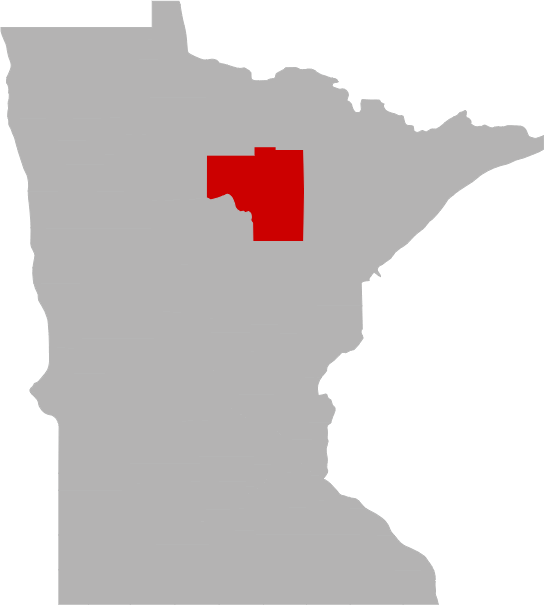
Itasca County, Minnesota

Today's Fishing Forecast
Fishing looks to be moderately active with peak fishing times around 7-8 AM and 3-5 PM. SEE MORE
Share your catch!
We want to see what you've caught on Island Lake.Frequently Asked Questions About Island Lake, MN
- How big is Island Lake?
- How deep is Island Lake?
- What kind of fish can you catch in Island Lake?
- What are the closest cities to Island Lake?
- Are there places to stay in the Island Lake area?
- Are there boat launches on Island Lake?
- Are there places to eat and drink near Island Lake?
- What is the average air temp for Island Lake?
- Are there any state parks near Island Lake?
How big is Island Lake?
How deep is Island Lake?
What kind of fish can you catch in Island Lake?
What are the closest cities to Island Lake?
Are there places to stay in the Island Lake area?
More Lodging Options
Are there boat launches on Island Lake?
Are there places to eat and drink near Island Lake?
History & Status of the Fishery
Island Lake is a small, mesotrophic lake near Grand Rapids, MN. The lake consists of two distinct interconnected basins. The main basin features a small, sedge covered island and a larger forested island. Island Lake receives water from Horseshoe and Spring lakes and outlets to the Prairie River via Hay Lake and Hay Creek.
A population assessment was conducted in July of 2012 to determine the status of the fish community and collect data needed to assign a lake class. The assessment consisted of two gill nets and four trap nets set for a single night. Caution should be used when interpreting data, given the limited number of nets. The lake is difficult to sample due to sharp drop-offs, densely vegetated shoal areas, and shallow thermocline. Oxygen was depleted by 10 feet, limiting potential gill net locations. The lake was also sounded for bathymetric contours during the assessment.
The lake was relatively pristine, with only 2 dwellings present. The shoreline was in a natural state and emergent and floating vegetation rings the entire lake. Dense Chara spp. was found throughout the shoal areas and submergent vegetation was found throughout the littoral area. The water was relatively clear with a Secchi disk reading of 11 feet and was bog stained.
Northern pike were the primary fish captured in the gill nets. The catch was average compared to lakes with similar habitats. The size structure was good, as 40% exceeded 28 inches and 10% exceeded 34 inches. Pike ranged from 14.6 to 36.8 inches and averaged 22.7 inches. Growth was near the statewide average as individuals typically exceeded 21 inches by age 4 and 28 inches by age 8.
Island Lake is difficult to sample with trap nets due to thick vegetation and sharp drop offs. Only four trap nets were set. Bluegills were the most common fish in the trap nets and the catch was typical for the lake type. Bluegills were generally of a quality size, ranging from 3.3 to 8.9 inches with a mean of 6.5 inches. Lake class 33 produces moderate growing bluegill and growth from Island Lake was similar to the lake class average as individuals exceeded 6 inches by age 5 and 8 inches by age 7. Recruitment appeared inconsistent. Bluegill averaged 4.9 years of age. Good angling opportunities may exist for bluegill given the quality size and age structures.
Largemouth bass and black crappie are difficult to catch with standard test nets. Black crappies were captured at a typical rate for the lake type. Size ranged from 6.0 to 10.2 inches and averaged 8.1 inches. Growth was near the statewide average as individuals exceeded 8 inches by age 5. Recruitment appeared inconsistent. Two largemouth bass were captured. The largest bass was 19.3 inches, indicating the potential to produce quality-sized bass.
Other species captured included bowfin and pumpkinseed sunfish.
Island Lake is not known to contain exotic aquatic species. Anglers and boaters are reminded to help stop the spread of invasive species by removing all aquatic plants from boats, trailers, and equipment. All drain plugs must be removed and live and bait wells must be drained before leaving the access. Anglers and boaters are encouraged to power wash and thoroughly dry all equipment prior to use in another water body.
What is the average air temp for Island Lake?
Are there any state parks near Island Lake?
For more Minnesota State Park information see our State Park Guide.
More Nearby Lakes To Explore
There's more lake's to explore around Island Lake...| DISTANCE | ACRES | MAX DEPTH | |
| Island Lake | 0.1 mi | 73 | 0 ft |
| Hay Lake | 0.4 mi | 57 | 40 ft |
| Spring Lake | 0.6 mi | 39 | 60 ft |
| Spring Lake | 0.6 mi | 27 | 0 ft |
| Bosley Lake | 1.9 mi | 42 | 0 ft |
| Unnamed Lake | 2.1 mi | 17 | |
| Lake Charlotte | 2.2 mi | 38 | 30 ft |
| Pickeral Lake | 2.3 mi | 44 | |
| Unnamed Lake | 2.6 mi | 32 | |
| Little Wabana Lake | 2.7 mi | 116 | 57 ft |
