


Clear Lake
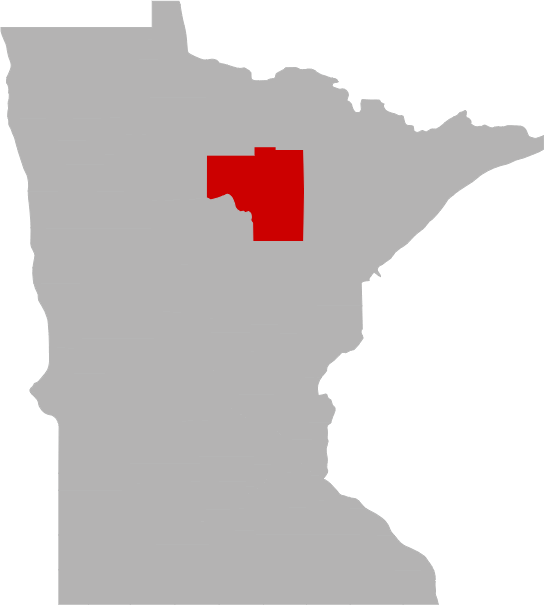
Itasca County, Minnesota
 (1)
(1)Today's Fishing Forecast
Fishing looks to be extremely active with peak fishing times around 3-5 PM. SEE MORE
Share your catch!
We want to see what you've caught on Clear Lake.Frequently Asked Questions About Clear Lake, MN
- How big is Clear Lake?
- How deep is Clear Lake?
- What kind of fish can you catch in Clear Lake?
- Are there places to stay in the Clear Lake area?
- Are there boat launches on Clear Lake?
- Are there places to eat and drink near Clear Lake?
- What is the average air temp for Clear Lake?
- Are there any state parks near Clear Lake?
How big is Clear Lake?
How deep is Clear Lake?
What kind of fish can you catch in Clear Lake?
Other fish species in the lake include Bluntnose Minnow, Golden Shiner, Johnny Darter and White Sucker.
Are there places to stay in the Clear Lake area?
More Lodging Options
Are there boat launches on Clear Lake?
Are there places to eat and drink near Clear Lake?
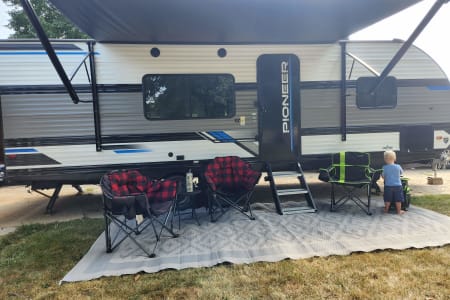
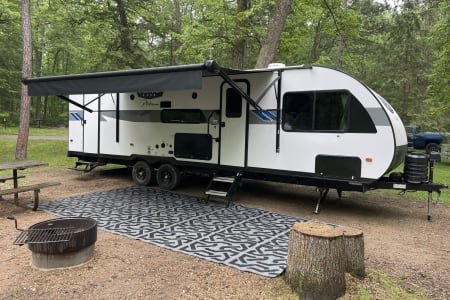
Explore the Clear Lake area in a RV
Are you looking for an adventurous vacation option that won't break the bank? Look no further than renting an RV! Contrary to popular belief, the process is much simpler than you might imagine. With just a few easy steps, you'll soon be experiencing the ultimate freedom and convenience of exploring the open road in your very own recreational vehicle. And the best part? RV travel can save you up to 60% compared to other types of vacations! With the money you'll save, you'll be able to travel even more and create unforgettable memories along the way. So why wait? Start planning your next adventure today with an RV rental. Learn more about renting a RV.

2025 Forest River Cherokee Grey Wolf - Family Friendly & Adventure Ready!
Bemidji, MN

History & Status of the Fishery
Clear Lake is a 132-acre lake located in northwest Itasca County one mile north of Wirt, MN. An Itasca County administered access is located off County Road 31 on the eastern shore with parking for two vehicles along the shoulder of the road. Clear Lake has a maximum depth of 30 feet and 39% of the lake is 15 feet or less. Water chemistry analysis indicates low to moderate hardness and fertility. The lake's water is fairly clear resulting in visibility to 11 feet. The depth of water at which oxygen levels limit fish presence has varied between 18 and 23 feet in mid-summer. Other area lakes with similar habitat include Dead Horse, Trestle, McCarthy and Shamrock.
The 2017 survey was the eighth survey of the fish community since 1960. This survey was conducted to monitor the fish community for changes in species composition, abundance, size structure and growth. The gamefish species that are best suited for the lake are Northern Pike, Bluegill and Largemouth Bass. The 2009 management plan indicated Northern Pike were the primary management species due to the population having low density and above average size distribution. Bluegill were a secondary management species due to their population having moderate density, while Black Crappie were a secondary management species due to angler interest. Additionally, Walleye were a secondary management species due to angler interest and because Walleye are being stocked.
The Northern Pike population has low density, good size distribution and average growth. The gill-net catch (1.3/net) was below average for the lake and for lakes with similar habitat. Lengths ranged from 18 to 26 inches, with an average of 23 inches. The proportion sampled greater than 21 inches was above average for the second consecutive survey; however, pike greater than 28 inches have only been sampled in 3 surveys. Ages ranged from 3 to 6, with age 6 most common. Growth was similar to average, resulting in pike taking four years to exceed 21 inches. Neascus (Black spot), a small parasite that encysts and produces black pigmentation around it, was observed on 74% of pike examined the past four surveys and likely reduces angler interest. Although unsightly, filets are safe to consume if well cooked. Due to the lake's small size it is recommended that anglers release fish over 26 inches.
The Walleye population has low density, larger individuals and below average growth. The gill-net catch (0.5/net) was below average for the lake and for lakes with similar habitat for the second consecutive survey. Declines in the number of Walleye in recent decades are likely due to changes in the fish community such as declines in the number of perch. Additionally, lakes with similar habitats typically do not support viable Walleye fisheries. Four Walleye were sampled in 2017 that ranged from 19 to 26 inches and from age 9 to 15. Although low in number, the lake does have trophy potential with five fish over 25 inches and one fish over 30 inches sampled between all surveys. Growth was below average, resulting in it taking six years to exceed 15 inches.
The Bluegill population has moderate density and below average size distribution and growth. The trap-net catch (15.7/net) was similar to the average for the lake and for lakes with similar habitat. Gill-net catches the past two surveys were the two highest, potentially indicating an increasing trend in number. Lengths ranged from 3 to 8 inches with an average of 6 inches. The proportions of Bluegill sampled greater than 6 inches was above average the past two surveys, while fish greater than 8 inches were sampled for the first time since 1975. Ages ranged from 3 to 12, with age 6 most common. Growth was below average, resulting in it taking seven years to exceed 6 inches. Due to the lake's small size it is recommended that anglers release fish over 8 inches.
The Black Crappie population has low density and poor size distribution. Both the gill-net catch (1.7/net) and trap-net catch (1.4/net) were above average for the lake and for lakes with similar habitat. Lengths ranged from 5 to 9 inches, with an average of 8 inches. Only four 10+ inch fish have ever been sampled, indicating consistently poor size structure. Growth was below average, resulting in it taking five years to exceed 8 inches.
The Largemouth Bass population has low density, average size distribution and below average growth. Bass were first sampled in 1993 and have been sampled in each survey since. A night electrofishing survey has not yet occurred. Twelve bass were sampled in 2017, the most sampled in any survey to date. Lengths ranged from 5 to 18 inches, with an average of 9 inches. A fish greater than 15 inches was sampled for the first time (18.1 inches). Ages ranged from 2 to 12. Growth was below average, resulting in bass taking six years to exceed 12 inches. Due to the lake's small size it is recommended that anglers release fish over 15 inches.
The Yellow Perch population has low density and a limited number of harvestable sized fish. The gill-net catch (9.2/net) was below average for the lake. While catches were high and averaged 133.9/net the first three surveys, they have declined substantially and averaged 10.1/net the past four surveys. Low perch numbers likely limit the number of Walleye and other gamefish and survival rates of stocked Walleye. Lengths ranged from 5 to 10 inches, with an average of 7 inches. Only 8% of perch ever sampled have exceeded 8 inches, while only 2% have exceeded 10 inches. The consistently poor size structure likely reduces angler interest. Growth was below average, resulting in it taking six years to exceed 8 inches. Ninety percent of perch examined the past four surveys had either yellow grub or Neascus (Black spot), likely reducing angler interest. Although both are unsightly, fillets are safe to consume if well cooked.
The other species sampled were Brown Bullhead, Pumpkinseed Sunfish and White Sucker.
In order to maintain or improve fish and wildlife populations, water quality and habitat must be protected. People often associate water quality problems with large-scale agricultural, forestry, urban development or industrial practices in the watershed. In reality, the impact of land use decisions on one lake lot may be relatively small, yet the cumulative impact of those decisions on many lake lots can result in a significant decline in water quality and habitat. For example, removing shoreline and aquatic vegetation, fertilizing lawns, mowing to the water's edge, installing beach sand blankets, failing septic systems and uncontrolled run-off, all contribute excess nutrients and sediment which degrade water quality and habitat. Understanding these cumulative impacts and taking steps to avoid or minimize them will help to insure our quality fisheries can be enjoyed by future generations.
Anglers and boaters are reminded to help stop the spread of invasive species by removing all aquatic plants from boats, trailers, and equipment. All drain plugs must be removed and live and bait wells must be drained before leaving the access. Anglers and boaters are encouraged to power wash and thoroughly dry all equipment prior to use in another water body.
What is the average air temp for Clear Lake?
Are there any state parks near Clear Lake?
For more Minnesota State Park information see our State Park Guide.
Clear Lake Reviews
Below is the word on street about Clear Lake.Have you been to Clear Lake? Why not share your personal reveiw with others?
Submit Review
jack g.

More Nearby Lakes To Explore
There's more lake's to explore around Clear Lake...| DISTANCE | ACRES | MAX DEPTH | |
| Noma Lake | 0.3 mi | 60 | 47 ft |
| Bay Lake | 0.5 mi | 22 | |
| Spruce Lake | 1.1 mi | 30 | |
| Wirt Lake | 1.3 mi | 36 | 25 ft |
| Dog Fish Lake | 2.9 mi | 32 | |
| Bass Lake | 3.1 mi | 210 | 40 ft |
| Killdeer Lake | 3.2 mi | 119 | |
| Unnamed Lake | 3.3 mi | 10 | |
| Unnamed Lake | 3.4 mi | 10 | |
| Dora Lake | 3.6 mi | 423 | 18 ft |
