


Cottonwood Lake
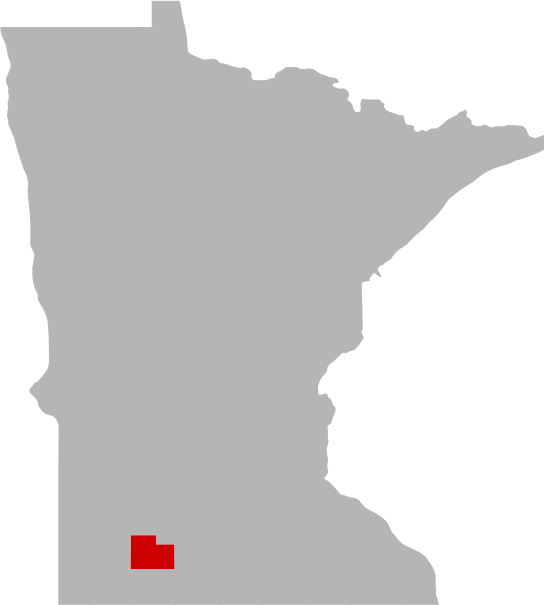
Cottonwood County, Minnesota

Today's Fishing Forecast
Fishing looks to be fairly active with peak fishing times around 3-5 PM. SEE MORE

Share Your Catch & Win!
Frequently Asked Questions About Cottonwood Lake, MN
- How big is Cottonwood Lake?
- How deep is Cottonwood Lake?
- What kind of fish can you catch in Cottonwood Lake?
- What are the closest cities to Cottonwood Lake?
- Are there places to stay in the Cottonwood Lake area?
- Are there boat launches on Cottonwood Lake?
- Are there places to eat and drink near Cottonwood Lake?
- What is the average air temp for Cottonwood Lake?
- Are there any state parks near Cottonwood Lake?
How big is Cottonwood Lake?
How deep is Cottonwood Lake?
What kind of fish can you catch in Cottonwood Lake?
Other fish species in the lake include Fathead Minnow, Green Sunfish, Johnny Darter and White Sucker.
What are the closest cities to Cottonwood Lake?
Are there places to stay in the Cottonwood Lake area?
More Lodging Options
Are there boat launches on Cottonwood Lake?
Are there places to eat and drink near Cottonwood Lake?
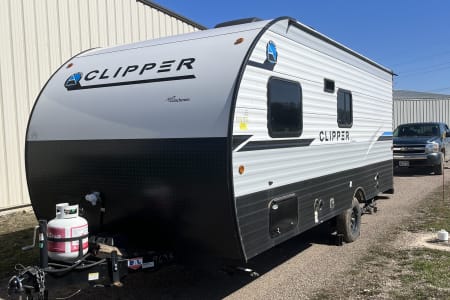
Explore the Cottonwood Lake area in a RV
Are you looking for an adventurous vacation option that won't break the bank? Look no further than renting an RV! Contrary to popular belief, the process is much simpler than you might imagine. With just a few easy steps, you'll soon be experiencing the ultimate freedom and convenience of exploring the open road in your very own recreational vehicle. And the best part? RV travel can save you up to 60% compared to other types of vacations! With the money you'll save, you'll be able to travel even more and create unforgettable memories along the way. So why wait? Start planning your next adventure today with an RV rental. Learn more about renting a RV.

Pet Friendly Popup Camper for Travel Heat/AC Private Outdoor Bathroom
Brewster, MN


History & Status of the Fishery
Cottonwood Lake is a shallow (maximum depth of 11 ft.), 155-acre, southern Minnesota lake located in the City of Windom in Cottonwood County. The lake has a large watershed acreage to lake acreage ratio of 49 to 1. The lake is directly upstream of Warren Pond and Warren Lake, wetlands that were dammed in 1939 and used to artificially divert storm surge and raise or lower water levels in Cottonwood Lake utilizing dam boards and a sluice gate. In addition to water level manipulation, Warren Lake is utilized as a rearing pond for Walleye and some upstream movement of Walleye occurs along with water manipulation. Artificial manipulation of water levels by pushing water uphill to Cottonwood Lake has resulted in greater nutrient influx and times of low water quality and clarity due to turbidity and algae blooms. One indicator of high nutrient loading is alkalinity which was 200 ppm in Cottonwood Lake (200 ppm in 2020, unchanged from 2016 level). For Southwest Minnesota Lakes, average alkalinity is 174 ppm with a 95% confidence interval of 165-182 ppm over the past 30 years. This indicates a high alkalinity level for Cottonwood Lake. Additionally, high nutrient loading results in high productivity that leads to high biological oxygen demand (BOD, accumulation of natural bacteria and other living organisms separate from fish). High BOD is magnified by summer algae blooms, winter ice cover, and duration of snow cover on the ice in the winter, eliminating or reducing the air water interface due to algae blooms or ice cover. During winter months this can cause dissolved oxygen readings to decline to the point of causing fish stress or winterkill. To combat this, winter aeration is maintained and operated a local sportsman's club. Cottonwood Lake has relatively stable dissolved oxygen levels year round and thus a consistent fish population. Cottonwood Lake is managed primarily for Walleye as well as Black Crappie, Bluegill, Yellow Perch and Largemouth Bass. Cottonwood Lake was surveyed during August 2020 to monitor fish populations using 3 gill nets and 8 trap nets. Additionally, the Largemouth Bass population was surveyed utilizing boat electrofishing during June 2020.
The 2020 Walleye gill net catch rate of 4.7 per net was within the normal range for southern Minnesota lakes (2.28 to 18.06), an increase from 2.7 per gill net in 2016, but slightly below Cottonwood Lake's long term average of 5.7 per gill net. Walleyes in the gill net sample ranged in length from 12.1 to 26.2 inches and averaged 15.3 inches. Ten Walleye were captured in the trap net sample and ranged in length from 9.9 to 19.3 inches with an average of 13.7 inches. The population appears to be balanced between large and small fish. Six different ages of Walleye were present with one 1-year old, nine 2-year old fish, one 3-year old, two 5-year old, one 6-year old, and one 14-year old fish. Weights relative to a typical population were fair indicating a population of fish that are finding enough prey to maintain a not too plump but not overly skinny body. The 2018 year class of Walleye was most abundant and was a result of fingerling stocked fish. Cottonwood Lake benefits from any ages of Walleye stocked to boost the population. During the spring of 2020, no Walleye fry were produced due to the COVID-19 pandemic shutdown and resulting shutdown of statewide egg take operations. However, during the fall of 2020, just over 300 adult carry-over Walleye (from 2019) were stocked from nearby rearing ponds to help boost the Cottonwood Lake population. These were very nice fish that averaged nearly a pound-a-piece or more.
In 2020, Black Crappie were captured at a rate of 6.9 per trap net, which is within the normal range for southern Minnesota lakes (1.2 to 20.5 per trap net), and an increase from the 2016 catch rate of 3.9 per trap net. However, the 2020 trap net catch rate is below the long term average of 15.7 per trap net. Lengths of Black Crappie ranged from 3.4 to 9.3 inches and averaged 7.8 inches. Black Crappie in trap nets and gill nets were more plump than a typical population. Abundance of adult Black Crappie will allow for natural reproduction to occur, so stocking is not needed at this time. Additionally, Cottonwood Lake was used as a test site for side scan sonar imaging to assess habitat, and during the spring of 2020 many suspected crappie nests were observed around the lake indicating good habitat for spawning! Crappie fishing could be good during the springs of 2021 and 2022 on Cottonwood Lake.
The Bluegill catch rate increased from 1.0 per trap net in 2016 to 26.0 per trap net in 2020, which is above the normal range of catch rates for southern Minnesota lakes (1.2 to 20.0 per trap net) and above the long term average of 8.0 per trap net for Cottonwood Lake. Although curlyleaf pondweed is a non-native aquatic vegetation, the last few years have been more abundant on Cottonwood Lake. It is possible this vegetation has played a part in the increase of Bluegill abundance. Lengths of Bluegill ranged from 3.4 to 7.6 inches and averaged 6.7 inches. The most Bluegill were plump and thick across the back. The Bluegill population was an unexpected bright spot for Cottonwood Lake and should result in excellent shore fishing!
The 2020 catch rate of Yellow Perch was 20.7 per gill net, an increase from the 2016 catch rate of 11.3 per gill net, but still what we would expect for Cottonwood Lake. Yellow Perch in the gill net sample ranged in length from 5.5 to 9.6 inches and averaged 7.4 inches. Nine Yellow Perch were caught in the trap net sample for a catch rate of 1.13 per trap net, also within the normal range for southern Minnesota lakes (0.3 to 3.8 per trap net). Trap nets are not good indicators of Yellow Perch abundance, but they do help assess condition (health) and growth of Yellow Perch. The Yellow Perch in the gill nets and trap nets were in fair health with most not too skinny but not overly plump. Yellow Perch fishing could be good on Cottonwood Lake as the fish may be prone to bite given their thinner body size.
Four Largemouth Bass and 9 Smallmouth Bass were sampled during electrofishing and trap netting (2 Smallmouth Bass sampled in trap nets). The Largemouth Bass ranged from 14.2 to 18.2 inches. The Smallmouth Bass, from electrofishing and trap netting, ranged from 4.5 to 16.6 inches. Smallmouth Bass are a recent introduction into Cottonwood Lake and were not stocked by the Department of Natural Resources. Smallmouth Bass were most likely introduced by bucket stocking from nearby Fish Lake. Please do not move fish, it is illegal, and they can compete with fish already in the lake and make things harder for fish already in the lake. Largemouth and Smallmouth Bass are large enough to provide an additional angling opportunity, but their low numbers may make them difficult to catch. However, each species appears to be sustaining itself by natural reproduction. Future monitoring of both species will be conducted to determine if there is competition between the species.
The Black Bullhead catch rate was 66.3 per gill net, which was the lowest catch rate ever observed, but still what we would expect to see for Cottonwood Lake. Black bullheads averaged 8.6 inches long. The Channel Catfish catch rate was 13.0 per gill net, which is the highest ever recorded. Channel Catfish ranged from 8.2 to 19.4 inches and averaged 12.8 inches. Other species sampled included Common Carp, Northern Pike, White Sucker, Bigmouth Buffalo, and Pumpkinseed. Cottonwood Lake is an excellent shorefishing location and drop-offs along the west shoreline where shore fishing and a public fishing pier is located can result in most species being present.
What is the average air temp for Cottonwood Lake?
Are there any state parks near Cottonwood Lake?
For more Minnesota State Park information see our State Park Guide.
More Nearby Lakes To Explore
There's more lake's to explore around Cottonwood Lake...| DISTANCE | ACRES | MAX DEPTH | |
| Warren Pond | 0.7 mi | 15 | |
| Wolf Lake | 1.5 mi | 61 | 0 ft |
| Clear Lake | 1.8 mi | 79 | |
| Three Lake | 2.0 mi | 59 | |
| Summit Lake | 2.2 mi | 64 | 10 ft |
| Summit Lake | 2.8 mi | 12 | |
| Unnamed Lake | 3.3 mi | 67 | |
| Fish Lake | 3.5 mi | 297 | 26 ft |
| Bingham Lake | 3.9 mi | 270 | 10 ft |
| String Lake | 5.1 mi | 336 | 0 ft |
