


 (10)
(10)
FISHING REPORT - April 20, 2026
It is now less than two weeks until the opening of Wisconsin’s general inland gamefish season May 2! Most lakes are free of ice, and a mix of warmer temperatures, sunshine, and rain this week should help raise water temperatures and increase fish activity. Use this time to repair and replace tackle and equipment, and renew fishing licenses!
For anglers who cannot wait until the opener, the general inland trout season opened April 4. Check the new trout regulations booklet for any changes! Bass fishing is open for catch and release, and panfish fishing is open year-around.
moon phase
Sun times displayed in .
Displaying 1 to 10 of 27 posts


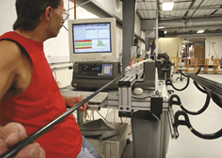
Tour The St Croix Rod Factory
MORE

FISHING REPORT - April 13, 2026
Less than three weeks until the general gamefish opener and the lakes still have ice. Will ice-out occur before May 2? We will see, but if not, it will not be the first time. It appears we will have rainy days this week, which should encourage loss of ice, but those are also good days and evenings to address fishing tackle and equipment issues. If you have indoor space to work on a boat or trailer, even better. Also, make sure you have a new fishing license! Opening day will be here before you know it!
The general inland trout season opened April 4 and the streams are open, so anglers have those fishing opportunities available now, if they are so inclined. Be sure to check the new trout regulations ‑ and make sure that you have the current trout stamp and fishing license!
Less than three weeks until the general gamefish opener and the lakes still have ice. Will ice-out occur before May 2? We will see, but if not, it will not be the first time. It appears we will have rainy days this week, which should encourage loss of ice, but those are also good days and evenings to address fishing tackle and equipment issues. If you have indoor space to work on a boat or trailer, even better. Also, make sure you have a new fishing license! Opening day will be here before you know it!
The general inland trout season opened April 4 and the streams are open, so anglers have those fishing opportunities available now, if they are so inclined. Be sure to check the new trout regulations ‑ and make sure that you have the current trout stamp and fishing license!
FISHING REPORT - MARCH 30, 2026
Despite significant shifts in high and low temperatures, the ice cover is slowly submitting to reality, shrinking in thickness and pulling away from the shorelines. As such, if you attempt to find and get on decent ice, the advice from all corners is to use extreme caution. This is for you safety, as well as that of those who might have to risk attempting your rescue should things go south. In addition, take all (hopefully unnecessary) rescue gear “just in case.”
Panfish:
Panfish fishing is good in and around shallow to mid-depth weeds, flats, and areas where stream and river runoff enters the lake. Those are also areas to use extreme caution and check the ice as you go ‑ IF you choose to go on it. Crappie minnows, waxies, spikes, plastics, and Gulp! baits on small jigs work well, especially if you can mimic what the fish are finding to eat on and rising from the bottom.
Despite significant shifts in high and low temperatures, the ice cover is slowly submitting to reality, shrinking in thickness and pulling away from the shorelines. As such, if you attempt to find and get on decent ice, the advice from all corners is to use extreme caution. This is for you safety, as well as that of those who might have to risk attempting your rescue should things go south. In addition, take all (hopefully unnecessary) rescue gear “just in case.”
Panfish:
Panfish fishing is good in and around shallow to mid-depth weeds, flats, and areas where stream and river runoff enters the lake. Those are also areas to use extreme caution and check the ice as you go ‑ IF you choose to go on it. Crappie minnows, waxies, spikes, plastics, and Gulp! baits on small jigs work well, especially if you can mimic what the fish are finding to eat on and rising from the bottom.
FISHING REPORT - MARCH 23, 2026
Ice fishing season is winding down too quickly for some and not quickly enough for others. If you go, use extreme caution, check thickness (or thinness) as you go, and take safety equipment. Trail crews pulled the lake trail stakes, a solid hint to pay attention! Check with your favorite bait shop for the current information on ice conditions, and for fish movement, bite windows, and the most productive baits and presentations.
Panfish (crappie, bluegill, perch):
Panfish fishing is good and late season can be exceptional at times, but it also brings safety issues and risks to keep in mind. Most panfish species are moving toward shallower water and in 4-20 feet on weed edge, flats, and structure, with some still in basins. Crappie minnows, minnow heads, waxies, spikes, plastics, and Gulp! baits on plain hooks, jigs, and jigging spoons can entice hungry fish.
Ice fishing season is winding down too quickly for some and not quickly enough for others. If you go, use extreme caution, check thickness (or thinness) as you go, and take safety equipment. Trail crews pulled the lake trail stakes, a solid hint to pay attention! Check with your favorite bait shop for the current information on ice conditions, and for fish movement, bite windows, and the most productive baits and presentations.
Panfish (crappie, bluegill, perch):
Panfish fishing is good and late season can be exceptional at times, but it also brings safety issues and risks to keep in mind. Most panfish species are moving toward shallower water and in 4-20 feet on weed edge, flats, and structure, with some still in basins. Crappie minnows, minnow heads, waxies, spikes, plastics, and Gulp! baits on plain hooks, jigs, and jigging spoons can entice hungry fish.
FISHING REPORT – March 16, 2026
Anglers continue to hit the ice, but there are reports of a few going through thin areas hidden by snow. If you go, wherever you go, go with extreme caution. Mild temperatures have also produced slush issues that can cause difficulties for travel, and snowmobile trails closed for the season. Check with your favorite bait shop for the latest on ice conditions, fish locations, and favored baits and presentations. Again, if you go, go with extreme caution!
Panfish (crappie, bluegill, perch):
Panfish fishing is fair to good. Look for fish in 6-20 feet and deeper on weed edges and on transitions from basins to structure. Use crappie minnows, waxies, spikes, and plastics on jigs, plain hooks, and jigging spoons.
Anglers continue to hit the ice, but there are reports of a few going through thin areas hidden by snow. If you go, wherever you go, go with extreme caution. Mild temperatures have also produced slush issues that can cause difficulties for travel, and snowmobile trails closed for the season. Check with your favorite bait shop for the latest on ice conditions, fish locations, and favored baits and presentations. Again, if you go, go with extreme caution!
Panfish (crappie, bluegill, perch):
Panfish fishing is fair to good. Look for fish in 6-20 feet and deeper on weed edges and on transitions from basins to structure. Use crappie minnows, waxies, spikes, and plastics on jigs, plain hooks, and jigging spoons.
FISHING REPORT - March 2, 2026
Ice reports indicated conditions are still good, but they will surely take a hit with the warm temperatures, sunshine, and the rain late in the week. Be cautious, especially around areas of springs and river inlets.
Note: On March 1, Wisconsin’s inland gamefish season closed (check the regs). Panfish season remains open. Anglers can continue to target both largemouth and smallmouth bass, but only on a catch-and-release basis.
Trout anglers: New season regulations effective this year. Early inland catch-and-release season closes April 3. The opening of the general inland trout season for inland streams, springs, and spring ponds is April 4 and runs thru Oct. 15.
Walleye/Northern pike:
Walleyes are starting to stage near spawning areas. Northern pike catch reports from last week indicate pike are also near spawning areas and full of eggs.
Crappie:
Crappie anglers report catches in basins in 12-28 feet, depending on the basin. On shallower lakes, look for fish on or near deep weed edges. Baits of choice include minnows, waxies, and plastics on tungsten jigs and spoons that quickly the baits down to the fish.
Bluegill/Perch:
Bluegill anglers are finding fish on deep weed edges holding oxygen, with bigger fish on structure in 8-18 feet. Waxies and plastics on small jigs and jigging spoons work well.
Perch are on rocky transitions in deep lake basins, and on deep edges on the shallow lakes. Perch are on deep edges in shallow lakes and on deeper rocky transitions in lakes with deep basins. Use crappie minnows on spoons, and waxies and plastics on small jigs. Jig small spoons aggressively for bigger perch.
Ice reports indicated conditions are still good, but they will surely take a hit with the warm temperatures, sunshine, and the rain late in the week. Be cautious, especially around areas of springs and river inlets.
Note: On March 1, Wisconsin’s inland gamefish season closed (check the regs). Panfish season remains open. Anglers can continue to target both largemouth and smallmouth bass, but only on a catch-and-release basis.
Trout anglers: New season regulations effective this year. Early inland catch-and-release season closes April 3. The opening of the general inland trout season for inland streams, springs, and spring ponds is April 4 and runs thru Oct. 15.
Walleye/Northern pike:
Walleyes are starting to stage near spawning areas. Northern pike catch reports from last week indicate pike are also near spawning areas and full of eggs.
Crappie:
Crappie anglers report catches in basins in 12-28 feet, depending on the basin. On shallower lakes, look for fish on or near deep weed edges. Baits of choice include minnows, waxies, and plastics on tungsten jigs and spoons that quickly the baits down to the fish.
Bluegill/Perch:
Bluegill anglers are finding fish on deep weed edges holding oxygen, with bigger fish on structure in 8-18 feet. Waxies and plastics on small jigs and jigging spoons work well.
Perch are on rocky transitions in deep lake basins, and on deep edges on the shallow lakes. Perch are on deep edges in shallow lakes and on deeper rocky transitions in lakes with deep basins. Use crappie minnows on spoons, and waxies and plastics on small jigs. Jig small spoons aggressively for bigger perch.
FISHING REPORT - FEBRUARY 23, 2026
The lakes have about 20 inches of ice and colder temperatures firmed the slush, though with thin layers of slush and wet spots. Do use caution. Check with your favorite bait shop for the most current information on ice conditions, fish locations, bite windows, and bait and presentation preferences.
Wisconsin’s inland gamefish season closes March 1, and 2025-26 licenses expire March 31.
Walleye:
Walleye anglers are catching some fish on deeper rocks and on hard-to-soft bottom transitions in 12-22 feet, with best success during sunrise, sunset, and other low-light hours. Walleye suckers and shiners on tip-ups are working well.
Northern Pike:
Northern pike action is good to very good in/around weed beds, deep edges, and weedy bays near spawning bays that warm quickly. Northern suckers, shiners, and dead bait on tip-ups, and jigging larger profile baits, are all effective.
Bass:
Bass anglers are catching largemouth in/on weed beds, weedy bays, and areas similar to pike. Sucker minnows, shiners, and small fatheads on tip-ups are working well.
Crappie:
Crappie fishing is good, but with short bite windows. Best success is just before sundown. Find fish on deep weed edges in deep basins, with some fish on shallower structure. Use crappie minnows, minnow heads, and waxies on small jigs and jigging spoons, and rattlebaits.
Bluegill:
Bluegill anglers are doing well, catching some decent fish on the deep edges of green weeds in about 14 feet, and in deep weeds and near structure in 8-20 feet. Use waxies, spikes, and plastics on small jigs and jigging spoons with small blades and rattles.
Perch:
Perch are in basins and staging on weedy, mid-depth mud flats in 8-18 feet. Pop big jigs and spoons to disrupt the bottom to bring in fish, following up with smaller baits.
The lakes have about 20 inches of ice and colder temperatures firmed the slush, though with thin layers of slush and wet spots. Do use caution. Check with your favorite bait shop for the most current information on ice conditions, fish locations, bite windows, and bait and presentation preferences.
Wisconsin’s inland gamefish season closes March 1, and 2025-26 licenses expire March 31.
Walleye:
Walleye anglers are catching some fish on deeper rocks and on hard-to-soft bottom transitions in 12-22 feet, with best success during sunrise, sunset, and other low-light hours. Walleye suckers and shiners on tip-ups are working well.
Northern Pike:
Northern pike action is good to very good in/around weed beds, deep edges, and weedy bays near spawning bays that warm quickly. Northern suckers, shiners, and dead bait on tip-ups, and jigging larger profile baits, are all effective.
Bass:
Bass anglers are catching largemouth in/on weed beds, weedy bays, and areas similar to pike. Sucker minnows, shiners, and small fatheads on tip-ups are working well.
Crappie:
Crappie fishing is good, but with short bite windows. Best success is just before sundown. Find fish on deep weed edges in deep basins, with some fish on shallower structure. Use crappie minnows, minnow heads, and waxies on small jigs and jigging spoons, and rattlebaits.
Bluegill:
Bluegill anglers are doing well, catching some decent fish on the deep edges of green weeds in about 14 feet, and in deep weeds and near structure in 8-20 feet. Use waxies, spikes, and plastics on small jigs and jigging spoons with small blades and rattles.
Perch:
Perch are in basins and staging on weedy, mid-depth mud flats in 8-18 feet. Pop big jigs and spoons to disrupt the bottom to bring in fish, following up with smaller baits.
FISHING REPORT - FEBRUARY 26, 2026
Lake travel remains good despite the warm temperatures, with ice thickness up to 22 inches or more, but always check it as you go, as no ice is ever “safe.” As always, talk with your favorite bait shop personnel on the way to the lake. They have the most current information on fish locations and movement, bite windows, favorite baits, and presentations.
Walleye:
Walleye anglers are catching fish on rock and sand bottoms, and on sharp breaklines. Walleye suckers and shiners on tip-ups and jigs, and larger jigging spoons and minnowbaits are the baits and presentations of choice.
Northern Pike:
Northern pike action good to very good for all sizes of fish in 4-15 feet on flats and summer weed bed locations. Northern suckers, shiners, minnows, and dead bait on tip-ups produce the best success.
Crappie:
Crappie fishing is fair to good, though fish are fussy. They are in deep basins, suspending at about 15-25 feet ‑ check the entire water column! For lakes lacking deep areas, look for shallow weeds and structure. Crappie minnows, waxies, and plastics on small tungsten jigs, spoons, and rattlebaits are all producing.
Bluegill:
Bluegill fishing is good to very good for fish feeding on basin soft bottoms, mud flats with weeds, and near structure in 8-20 feet. Waxies, spikes, plastics, and Gulp! baits on small jigs work well. Using small minnows catches bigger bluegills and can deter bait robbers.
Perch:
Perch fishing is good. Find them feeding on basin soft bottoms and on mud flats near weed beds in 8-18 feet. Waxies, spikes, minnow heads, and plastics on small jigs, and jigging jigs and spoons that disturb the bottom to attract fish.
Lake travel remains good despite the warm temperatures, with ice thickness up to 22 inches or more, but always check it as you go, as no ice is ever “safe.” As always, talk with your favorite bait shop personnel on the way to the lake. They have the most current information on fish locations and movement, bite windows, favorite baits, and presentations.
Walleye:
Walleye anglers are catching fish on rock and sand bottoms, and on sharp breaklines. Walleye suckers and shiners on tip-ups and jigs, and larger jigging spoons and minnowbaits are the baits and presentations of choice.
Northern Pike:
Northern pike action good to very good for all sizes of fish in 4-15 feet on flats and summer weed bed locations. Northern suckers, shiners, minnows, and dead bait on tip-ups produce the best success.
Crappie:
Crappie fishing is fair to good, though fish are fussy. They are in deep basins, suspending at about 15-25 feet ‑ check the entire water column! For lakes lacking deep areas, look for shallow weeds and structure. Crappie minnows, waxies, and plastics on small tungsten jigs, spoons, and rattlebaits are all producing.
Bluegill:
Bluegill fishing is good to very good for fish feeding on basin soft bottoms, mud flats with weeds, and near structure in 8-20 feet. Waxies, spikes, plastics, and Gulp! baits on small jigs work well. Using small minnows catches bigger bluegills and can deter bait robbers.
Perch:
Perch fishing is good. Find them feeding on basin soft bottoms and on mud flats near weed beds in 8-18 feet. Waxies, spikes, minnow heads, and plastics on small jigs, and jigging jigs and spoons that disturb the bottom to attract fish.
FISHING REPORT - February 9, 2026
This week, anglers should see comfortable moderate to mild fishing conditions and good overall ice thickness of more than 20 inches. Still, use caution, as ice is never “safe.” Visit with your favorite bait shop personnel for the most up-to-date ice and fishing information, including bite windows, fish locations, and favored baits and presentations.
As a reminder, inland gamefish season closes March 1, so if want a few gamefish in the freezer, best go fishing now!
Walleye:
Walleye fishing is slow, which is common for this time, but some anglers continue to catch fish. Concentrate on mid-lake reefs, rocks near points, and steep breaks on rocky shorelines in 10-25 feet. Walleye suckers, shiners, and fatheads on tip-ups and dead sticks are currently more productive than jigging.
Northern Pike:
Northern pike action is very good for smaller fish and good for larger fish. Target deep weed edges and bay edges reaching into the basins. Northern suckers, shiners, and dead bait on tip-ups, jigging rods, and spoons are all effective. Otherwise, anglers report pike hitting their hooked panfish as they reel them in, so there is a different tactic to consider.
Largemouth Bass:
Largemouth bass anglers report some success in the same areas as panfish and on weed edges in 6-14 feet. Most anglers are jigging various sizes of spoons, with some using suckers and shiners.
Crappie:
Crappie fishing is good, but plan to drill many holes and keep moving, as do the fish. Focus on weed edges in 6-14 feet or look for fish suspending in basins in 10-28 feet. Fish are deep on most lakes that offer deep water. Crappie minnows, minnow heads, waxies, and plastics on jigs and small spoons, and rattlebaits, are producing action.
Bluegill:
Bluegill fishing is fair to good when you find the fish. They can be on any weeds and weed edges, from shallow to deep, in big weedy bays and around various structure types in 8-25 feet. Waxies, spikes, and plastics on small jigs, and teardrops loaded up with waxies and spikes, will do the job.
Perch:
Perch anglers should look to mid-depth mud flats and hard to soft bottom transitions where fish feed on larvae and other invertebrates on the bottom. Minnow heads, waxies, and plastics on small jigs and jigging spoons work well. Popping bigger baits on the bottom to stir up sediment will pull in fish.
This week, anglers should see comfortable moderate to mild fishing conditions and good overall ice thickness of more than 20 inches. Still, use caution, as ice is never “safe.” Visit with your favorite bait shop personnel for the most up-to-date ice and fishing information, including bite windows, fish locations, and favored baits and presentations.
As a reminder, inland gamefish season closes March 1, so if want a few gamefish in the freezer, best go fishing now!
Walleye:
Walleye fishing is slow, which is common for this time, but some anglers continue to catch fish. Concentrate on mid-lake reefs, rocks near points, and steep breaks on rocky shorelines in 10-25 feet. Walleye suckers, shiners, and fatheads on tip-ups and dead sticks are currently more productive than jigging.
Northern Pike:
Northern pike action is very good for smaller fish and good for larger fish. Target deep weed edges and bay edges reaching into the basins. Northern suckers, shiners, and dead bait on tip-ups, jigging rods, and spoons are all effective. Otherwise, anglers report pike hitting their hooked panfish as they reel them in, so there is a different tactic to consider.
Largemouth Bass:
Largemouth bass anglers report some success in the same areas as panfish and on weed edges in 6-14 feet. Most anglers are jigging various sizes of spoons, with some using suckers and shiners.
Crappie:
Crappie fishing is good, but plan to drill many holes and keep moving, as do the fish. Focus on weed edges in 6-14 feet or look for fish suspending in basins in 10-28 feet. Fish are deep on most lakes that offer deep water. Crappie minnows, minnow heads, waxies, and plastics on jigs and small spoons, and rattlebaits, are producing action.
Bluegill:
Bluegill fishing is fair to good when you find the fish. They can be on any weeds and weed edges, from shallow to deep, in big weedy bays and around various structure types in 8-25 feet. Waxies, spikes, and plastics on small jigs, and teardrops loaded up with waxies and spikes, will do the job.
Perch:
Perch anglers should look to mid-depth mud flats and hard to soft bottom transitions where fish feed on larvae and other invertebrates on the bottom. Minnow heads, waxies, and plastics on small jigs and jigging spoons work well. Popping bigger baits on the bottom to stir up sediment will pull in fish.
Looking to dig into more data?

Step up and unlock historical postings by upgrading to Lake-Link Pro for as little as $2.99!


