


Pine Lake
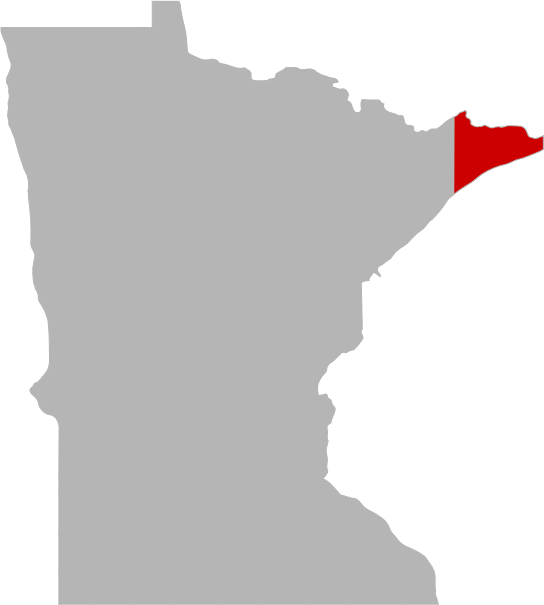
Cook County, Minnesota
Share your catch!
We want to see what you've caught on Pine Lake.Frequently Asked Questions About Pine Lake, MN
- How big is Pine Lake?
- How deep is Pine Lake?
- What kind of fish can you catch in Pine Lake?
- What are the closest cities to Pine Lake?
- Are there places to stay in the Pine Lake area?
- Are there boat launches on Pine Lake?
- Are there places to eat and drink near Pine Lake?
- What is the average air temp for Pine Lake?
- Are there any state parks near Pine Lake?
How big is Pine Lake?
How deep is Pine Lake?
What kind of fish can you catch in Pine Lake?
Other fish species in the lake include Common Shiner, Creek Chub, Golden Shiner, Splake and White Sucker.
What are the closest cities to Pine Lake?
Are there places to stay in the Pine Lake area?
More Lodging Options
Are there boat launches on Pine Lake?
Are there places to eat and drink near Pine Lake?
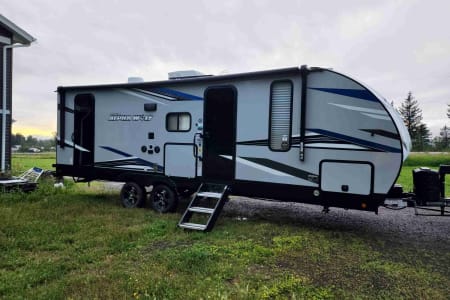
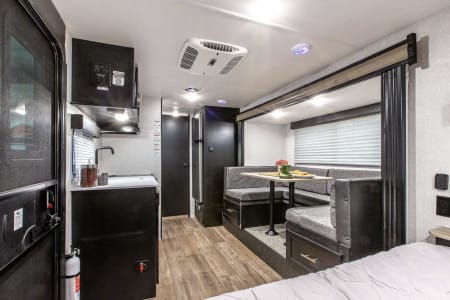
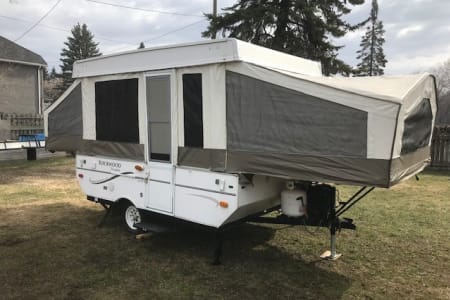
Explore the Pine Lake area in a RV
Are you looking for an adventurous vacation option that won't break the bank? Look no further than renting an RV! Contrary to popular belief, the process is much simpler than you might imagine. With just a few easy steps, you'll soon be experiencing the ultimate freedom and convenience of exploring the open road in your very own recreational vehicle. And the best part? RV travel can save you up to 60% compared to other types of vacations! With the money you'll save, you'll be able to travel even more and create unforgettable memories along the way. So why wait? Start planning your next adventure today with an RV rental. Learn more about renting a RV.

History & Status of the Fishery
Pine Lake (also known as Trestle-Pine Lake) has been managed for stream trout since at least 1951. From 1988 through 2010 the lake was stocked annually with Splake fingerlings and Rainbow Trout yearlings. Rainbow Trout stocking was discontinued after 2010 to reduce management costs; however, the loss of that fishery was felt by summer anglers, and Rainbow Trout stocking will resume in 2020. This was the first of three standard surveys scheduled in the current (2018) lake management plan to evaluate that renewed stocking, and detemine what effect the accompanying reduction in Splake stocking (beginning in 2019) will have on that population.
Splake appeared to have been abundant in 2018, with many 10-13-inch fish present. The Splake gill net catch in 2018 met the goal from the current plan (a minimum of 5.0 fish/set, with some fish over 16 inches). The catch was similar to those seen in this lake since 1998, and was well within the normal range (5.0-12.0 fish/set) for spring catches in stream trout lakes in this area. The trap net catch was the highest seen to date in this lake, and was above the normal range for this area. Splake collected in all gears in 2018 ranged in length from 6.0 to 18.0 inches, with most in the 10-13-inch length range. Five year classes contributed to the 2018 catch, including a few fish from a 2017 year class that appeared to have been naturally produced. Splake growth appeared to have been slow. Fish reached a mean length of just 10.4 inches at the end of their third year, compared to an area mean of 12.8 inches. Slow Splake growth has been noted in this lake in the past, and may have been due to the high numbers of fish present, and competition for invertebrate forage from White Sucker and Bluegill.
Bluegill numbers were fairly high (for a lake in this area) in 2018, and the survey catch included many that would have been large enough to have been of interest to anglers. Bluegill were first taken in a survey of this lake in 1998. The 2018 trap net catch, while not unusually high for a lake of this type, was high for a stream trout lake (or any lake) in this area. The catch included many larger fish (up to 9.8 inches in length). Seven year classes contributed to the 2018 catch, which included fish as old as nine years. Bluegill growth had been about average for this area, with fish reaching a mean length of 6.9 inches at the end of their fifth year. Reproductive success appeared to have been consistently good, although no year classes stood out as having been exceptionally strong.
The 2018 White Sucker gill net catch was the highest seen in this lake since 1998, and was well above the normal range for spring catches in area stream trout lakes. The White Sucker catch in trap nets was the second highest ever seen in this lake, and was far higher than any catches seen since 1998. White Sucker compete with Splake for invertebrate forage, but are generally too large to be taken as prey by Splake.
A late-summer temperature-oxygen profile measured on 22 August found, at best, only a very narrow zone at a depth of about 15 ft that would have provided conditions considered ideal for Splake (water temperature =< 68 F, dissolved oxygen > 5 ppm). Surface waters were stressfully warm, and deeper waters lacked oxygen. Lakes in the area may already have begun to cool by 22 August, so it is likely that conditions were more stressful earlier in the summer. These conditions may have been another factor in the poor growth exhibited by Splake taken in 2018, even though they apparently did not limit Splake survival. Rainbow Trout can tolerate warmer waters, and should do better than Splake under similar conditions.
Are there any state parks near Pine Lake?
For more Minnesota State Park information see our State Park Guide.
More Nearby Lakes To Explore
There's more lake's to explore around Pine Lake...| DISTANCE | ACRES | MAX DEPTH | |
| West Twin Lake | 0.6 mi | 134 | 37 ft |
| Unnamed Lake | 1.0 mi | 12 | |
| Talus Lake | 1.0 mi | 17 | 22 ft |
| East Twin Lake | 1.1 mi | 173 | 19 ft |
| Kemo Lake | 1.2 mi | 189 | 65 ft |
| Track Lake | 1.2 mi | 15 | 3 ft |
| Pit | 1.7 mi | 26 | 17 ft |
| Moses Lake | 1.7 mi | 30 | 4 ft |
| Eggers Lake | 2.1 mi | 13 | 11 ft |
| Mit Lake | 2.4 mi | 87 | 40 ft |


