

shoey
Fly Fishing
fly patterns
3/25/04 @ 5:46 PM
Displaying 1 to 15 of 117 posts

Jellybean..
This Fly is call a "Jellybean"
I have very good success early in the year with this fly prior to actual hatches beyond midges..
Hook: TMC 2487, Size 14, 16, 18 (Fly shown is a 16)
Tail: Pheasant Tail (4-6 fibers)
Body: Turkey Biot, wrapped fringe up, color BWO
Rib: Ultrawire, Black size Brassie, or Small depending on hook size wrapped between the fringes.
Thorax: Black UV Ice dubbing.
Wingcase: Black Krystal Flash, Black midge Krystal Flash (depending on hook size)
Legs: Ends of wingcase
Head: Red or Ruby Glass bead sized for hook size


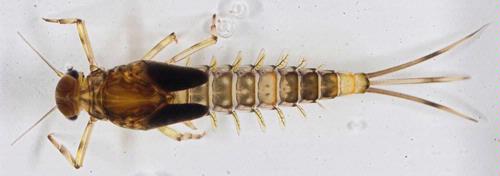
I have been using this for a Beatis Pattern as of late and have had very good success. I Tie it in a Rusty Brown, Olive and Tan, from sizes 14 down to 22.
Hook: TMC 200R (with bead head)
Thread: UTC 70 (color to match Abdomen)
Head: Bead (optional)
Tail: Hungarian Partridge
Abdomen: D-Rib (Rust, Olive, Tan)
Thorax: Peacock Ice Dub
Legs: Hungarian Partridge
Wing Case (Buds): Medallion Sheeting (pulled back and trimmed to make wing buds)
Picture of the fly and a Picture of the Guy it imitates.
Esox..
I agree, Charlie is a great guy, wait till you meet him in person..  Here is his general website for others:
http://www.charliesflyboxinc.com/
He doesn't have much of an e-store on his site, mainly because of the huge service he does in providing the patterns "fly box". If you want materials, just call, there ain't much he doesn't have..
Here is his general website for others:
http://www.charliesflyboxinc.com/
He doesn't have much of an e-store on his site, mainly because of the huge service he does in providing the patterns "fly box". If you want materials, just call, there ain't much he doesn't have..
Here is his general website for others:
http://www.charliesflyboxinc.com/
He doesn't have much of an e-store on his site, mainly because of the huge service he does in providing the patterns "fly box". If you want materials, just call, there ain't much he doesn't have..I love Charlies site. I also love ordering supplies from him jsut because he is so helpful and nice. Tell him what you are tying, he makes great suggestions on new and different materials that make the color, tying, and fly even better. You just can;t get that at most places.
Charlie Craven posted instructions for his "Lead Eye Gonga"..
I use this pattern for large Trout (streamer Monsters), but I also have had really good success with them for SM Bass..
This Fly is a proven winner for me..
http://www.charliesflyboxinc.com/flybox/detail.cfm?parentID=171
http://www.charliesflyboxinc.com/flybox/details.cfm?parentID=171
MrGloomis..
I assume you are looking at Borski's Bonefish Slider, he also has the Redfish Slider. I tie these for my annual trip to the Bahamas. I also tie them in a rust color and use them for Smallmouth and Carp in Door County when I visit my parents.
Hook: TMC 811S sizes 4 or 6, or a Mustad 34007 size 4 or 6 would work as well.
Thread: White 6/0 or similar. I use UTC 70 denier, it is thin, reducing bulk and is strong enough for handling the Deer hair. If you find yourself breaking the thread, use the 140 or 210 denier but watch your wraps.
Tail: pearl Krystal Flash and Tan Craft Fur, barred with a Brown permanent marker. I am pretty picky about craft fur, there is a lot of crappy stuff out there, you'll have to find what works best for you. I like to use EP fibers, they are expensive for some, but work well. The Markers I use are Prismacolor, they work great are permanent and don't fade.
Hackle: Grizzly Hackle for the body. Don't use "good" stiff hackle for this, use a webby rooster or hen hackle that is softer and webby, so the hackles will have movement when the fly is stripped.
Eyes: Lead eyes, painted if you wish, and like a pretty fly. You can also use bead-chain eyes on smaller versions, or versions that you do not want the fly to sink as fast, the eyes determine the sink rate of the fly. I tie various different flys to different depths of water I am fishing. The "production fly" uses painted lead dumbbell eyes, I think Tan with black pupal.
Collar: Flared Deer hair long enough to reach the Hook Point when tied on, more on that later.
Head: Spun Deer hair trimmed to shape, similar to a Muddler Minnow head. I like the head to be somewhat flat on the bottom of the head. (this fly swims hook point up).
Weed Guard (optional): 20lb mason monofilament. I don't use weed guards on mine, I rarely fish them where it would be required, and the Deer Hair collar behaves like one anyway.
Tying Instruction :
Place the hook in the vice (shank up, hook down) as you do for tying a typical fly. Start the thread near the center of the hook shank, this will be the point that you will later tie the lead eye in at.
Tie on 6 to eight strands of Krystal flash at the mid-point and wrap the thread back along the shank to a point over the about over the hook point.
Tie a "bunch" (not too much) craft fur or EP fibers in at this point, extending rearward, and wrap the thread back to the mid-point where we started the thread. Comb the tail out a bit and then trim it so the tail length is about 1.5 times the length of the hook shank. This is you preference, if your not sure, leave it a bit longer, you can also trim it shorter in the field if you want. Trim the Krystal flash as well, but don't trim it straight off, vary the length of the stands. This seems picky, but I think it does make a difference.
Next, tie in the lead dumbbell eyes on the top of the hook shank, in the middle of the shank where our thread should be resting. Tying the eyes on the top of the shank will have the fly fish inverted (hook up) when we are done. Use figure eight wraps and then when secure, place a drop of super glue on the thread wraps on the eye. You will be happy you did.
Wrap the thread back to position it over the hook point again and tie in Two webby grizzly hackles so that when you wrap them forward the hackle slants back toward the tail. Wrap the thread back to just behind the lead eyes. Wrap a hackle body forward to where your thread is and tie off the hackle.
Now either rotate your vice 180 degrees, or carefully remove the fly and invert the hook in the vice so the shank is down and the hook point up, this is the way the fly will swim when fished.
If you wish, trim some of the hackle from the what is now the top of the fly. how much, or if at all is up to you.
Trim a bunch of deer hair to be used as a collar. This is cleaned, stacked (with hair stacker) and tied directly behind, just about on top of where the eyes at tied in on the opposed side of the hook. The hair should flare (not spin, hold it on top) so that the tips of the deer hair extend back and past the hook point, see picture.
Since we never wrapped the thread in front of the eyes we should have a relatively clean hook shank in front of the eyes. It is easier to spin deer hair on a bare shank than it is a thread covered one. I can't explain spinning deer hair in detail here, I am sure there are sites that do.
Trim a bunch of deer hair clean it and spin a deer hair head in front of the lead eyes. Depending on the size of hook we are using this may take from one to three clumps of spun deer hair to get to a point of having deer hair spun near the hook eye, don't crowd the eye.
Now carefully trim the deer hear to a desired shape, I like mine like a muddler head but somewhat flat on the bottom. Once you have it where you want it cement the thread head and bar the deer hair head with the same marker if you wish.
Hope this helped. I will find one that I tied from my saltwater box and post it later, so you can see what mine look like.
don't have a picture of it but I tied up a bunch of buggers with white marabou tail peacock herl for the body and grizzly hackle. I caught a ton of different species on this thing this year..everything from bluegill to white bass to carp to catfish and walleyes. Only thing I have caught on it this year that I fished for was a salmon or steelhead though I haven't tried it on them either yet.
It has a pretty good profile including the appearence of a darker stripe along the middle like many baitfish do....It works try it.
Hello guys, Ive been looking for a good recipe for the infamous "Borski Slider". I have an authentic one right in front of me and I think I understand the sequence of tying but I don't want to reverse engineer it if I don't have to. Anyone have any good links on this guy?
klondike_rhino ...
Living in Colorado my March's are very different than yours.. However, on the subject of Woolly Buggers.. there have to be ten thousand variations and ways to tie one, but I have kind of settled into one basic pattern, with several color variations. I few years ago I met and fished with a guy named Denny Rickards from Fort Kalmath Oregon. The guy is a stillwater trout fishing god. He ties a variation of the Wooly Bugger that he calls the Seal Bugger. It was originally designed for fish Trout in stillwaters (ponds, lakes), but I have had extremely good success with it fishing Streams and Rivers as well. The body is tied with Seal Fur (tough to find), or a Seal Fur Substitute. Seal Fur has a sheen and translucency to it that makes it attractive for fly tying. It imitates a Leech, Dragonfly, Damsel Nymph, or a small baitfish.
Hook: I generally tie the pattern on a size 8-10 hook, 4x long shank, something like a TMC 9394 or similar. It can be tied several sizes larger or smaller, your choice.
Weight: 20 or so wraps of .020 lead pushed up near the head of the fly, this helps the fly ungulate when retrieved.
Tail: Black Marabou (somewhat sparse) about as long as the body or a bit longer, with two strips of flash-a-bou over the top or at the sides of the tail.
Body: 4:1 ratio of Black and Red seal fur mixed together (4 black: 1 red). Pick out the fibers (make it fuzzy) after dubbing.
Hackle: Grizzly Hackle dyed burgundy and wrapped four or five times depending on size of the fly.
Rib: Copper wire, but don't wrap it over the hackle like some do, that may make the fly more durable, but in my opinion reduces the life like qualities of the fly
Head: Black thread.
You can get seal fur substitute from various sources, Jay Fair makes the stuff that Denny uses, I have it as well. You can get it, and saddle hackles for the hackle from Denny Richards on his site:
http://www.flyfishingstillwaters.com/tyingmaterials.asp
Go here to see a photo of one tied by Denny, and all the Color Combinations he suggests:
http://www.flyfishingstillwaters.com/flys.asp
I added a photo of one I tied today..
Displaying 1 to 15 of 117 posts


