


Toledo Bend Reservoir
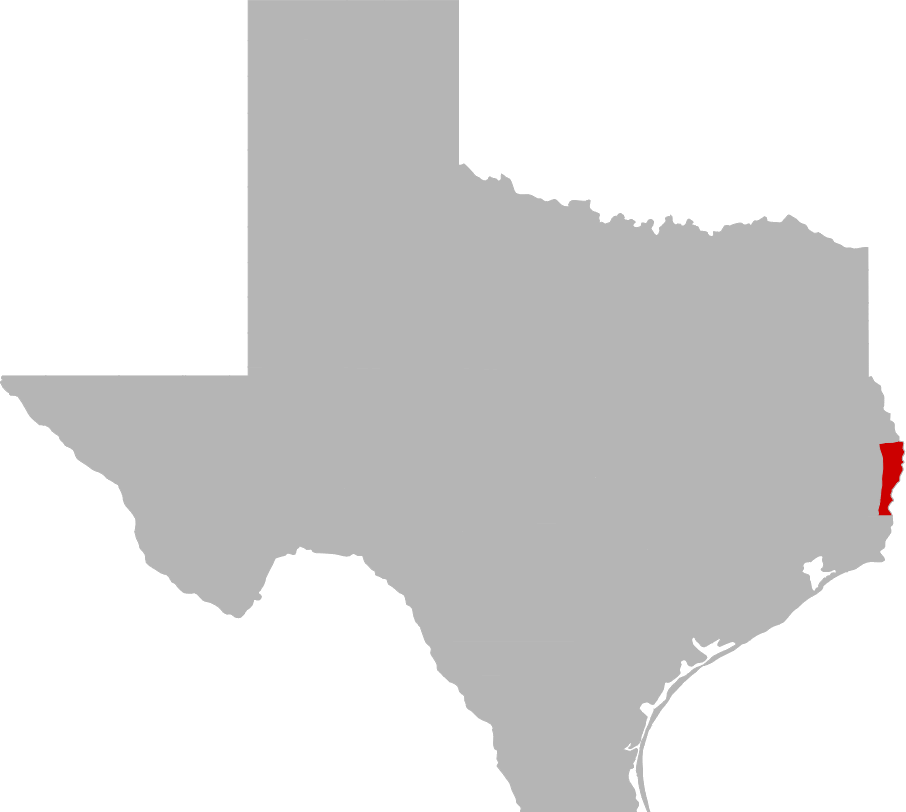
Newton County, Texas

Today's Fishing Forecast
Fishing looks to be very active with peak fishing times around 8-9 AM and 3-5 PM. SEE MORE
Habitat in Toledo Bend Reservoir consists of aquatic vegetation, standing timber, and flooded terrestrial vegetation. Hydrilla is the predominant plant species, although many native plants (coontail, eelgrass, pondweed, lily pads) are also present. In the lower part of the reservoir the water is typically clear; gamefish are usually found around vegetation edges, flats, humps, and creek channels. In the upper third of the reservoir, the abundance of vegetation typically declines. Timber, brush, laydowns, and creek channels provide upper-lake gamefish habitat. At periods of high water, terrestrial bushes and trees provide excellent habitat reservoir-wide. Man-made fish attractors provide additional structure. Anglers may use GPS in conjunction with a fish finder to locate these structures. See online fish attractor map
Get downloadable coordinates
Anglers are most successful at catching largemouth bass during the fall, winter, and spring months. Due to cooler water temperatures, fish are active for longer periods of the day and are typically found in shallow water. A variety of baits and techniques will work during these times. When fish are active, crankbaits and spinnerbaits are usually the preferred choice. During the hot summer, the bite slows and fish activity is usually concentrated during early morning, late evening, and at night. Poppers, propeller baits, stickbaits, buzzbaits, and flukes are good topwater choices during low light conditions. As the sun rises, most bass concentrate in or around vegetation edges, or seek refuge on deep ledges and creek channels. During this time, plastic worms and jigs are the preferred baits.
Crappie fishing is good year-round with jigs and minnows. However, fishing usually peaks during the spring spawn, when anglers target shallow areas around vegetation. During other times of the year, fish are typically concentrated in deeper water around brush piles and creek channels. Anglers catch channel, blue, and flathead catfish throughout the reservoir. Channel catfish can be caught with stinkbait in areas baited with soured grain. Trotliners catch both blues and channels on cut bait, while flathead catfish prefer live bait.
The white bass fishery is essentially limited to the early spring during the spawning run above the reservoir. Anglers have good success with small spinners, jigs, jigging spoons, and small crankbaits. During the summer and fall, watch for schooling striped bass on main lake points, humps, and flats adjoining river channels. Schooling stripers can be caught on topwaters, rattle traps, and spoons. Toledo Bend has a reputation for producing lots of huge sunfish. Most of the bigger sunfish, especially bluegill and redear sunfish, are caught during the late spring or summer when fish are on spawning beds. Small jigs, spinners, and crickets are good choices.
Anglers are most successful at catching largemouth bass during the fall, winter, and spring months. Due to cooler water temperatures, fish are active for longer periods of the day and are typically found in shallow water. A variety of baits and techniques will work during these times. When fish are active, crankbaits and spinnerbaits are usually the preferred choice. During the hot summer, the bite slows and fish activity is usually concentrated during early morning, late evening, and at night. Poppers, propeller baits, stickbaits, buzzbaits, and flukes are good topwater choices during low light conditions. As the sun rises, most bass concentrate in or around vegetation edges, or seek refuge on deep ledges and creek channels. During this time, plastic worms and jigs are the preferred baits.
Crappie fishing is good year-round with jigs and minnows. However, fishing usually peaks during the spring spawn, when anglers target shallow areas around vegetation. During other times of the year, fish are typically concentrated in deeper water around brush piles and creek channels. Anglers catch channel, blue, and flathead catfish throughout the reservoir. Channel catfish can be caught with stinkbait in areas baited with soured grain. Trotliners catch both blues and channels on cut bait, while flathead catfish prefer live bait.
The white bass fishery is essentially limited to the early spring during the spawning run above the reservoir. Anglers have good success with small spinners, jigs, jigging spoons, and small crankbaits. During the summer and fall, watch for schooling striped bass on main lake points, humps, and flats adjoining river channels. Schooling stripers can be caught on topwaters, rattle traps, and spoons. Toledo Bend has a reputation for producing lots of huge sunfish. Most of the bigger sunfish, especially bluegill and redear sunfish, are caught during the late spring or summer when fish are on spawning beds. Small jigs, spinners, and crickets are good choices.
The most popular game fish at Toledo Bend Reservoir is the largemouth bass; an excellent year-round fishery exists. Good year-round crappie and catfish fisheries are also present. Striped bass are maintained by annual stockings because conditions at Toledo Bend usually do not allow a successful natural spawn. Stripers are popular due to their large growth potential and reputation as strong fighters. Bluegill and redear sunfish are present in high numbers and provide excellent fishing, especially for youth or inexperienced anglers.
Share your catch!
We want to see what you've caught on Toledo Bend Reservoir.Frequently Asked Questions About Toledo Bend Reservoir, TX
- How big is Toledo Bend Reservoir?
- How deep is Toledo Bend Reservoir?
- What kind of fish can you catch in Toledo Bend Reservoir?
- What are the closest cities to Toledo Bend Reservoir?
- Are there places to stay in the Toledo Bend Reservoir area?
- Are there places to eat and drink near Toledo Bend Reservoir?
- What is the average air temp for Toledo Bend Reservoir?
- Are there any state parks near Toledo Bend Reservoir?
How big is Toledo Bend Reservoir?
How deep is Toledo Bend Reservoir?
What kind of fish can you catch in Toledo Bend Reservoir?
Other fish species in the lake include Crappie and Sunfish.
What are the closest cities to Toledo Bend Reservoir?
Are there places to stay in the Toledo Bend Reservoir area?
More Lodging Options
Are there places to eat and drink near Toledo Bend Reservoir?
Explore the Toledo Bend Reservoir area in a RV
Are you looking for an adventurous vacation option that won't break the bank? Look no further than renting an RV! Contrary to popular belief, the process is much simpler than you might imagine. With just a few easy steps, you'll soon be experiencing the ultimate freedom and convenience of exploring the open road in your very own recreational vehicle. And the best part? RV travel can save you up to 60% compared to other types of vacations! With the money you'll save, you'll be able to travel even more and create unforgettable memories along the way. So why wait? Start planning your next adventure today with an RV rental. Learn more about renting a RV.


Controling Authority
What is the average air temp for Toledo Bend Reservoir?
Are there any state parks near Toledo Bend Reservoir?
For more Texas State Park information see our State Park Guide.
More Nearby Lakes To Explore
There's more lake's to explore around Toledo Bend Reservoir...| DISTANCE | ACRES | |
| Horseshoe Lake | 9.1 mi | 145 |
| Cyress Slash (historical) | 9.5 mi | 165,639 |
| Crane Pond (historical) | 10.6 mi | 165,639 |
| Loring Lake | 11.2 mi | 54 |
| Cutoff Pond (historical) | 13.0 mi | 165,639 |
| City Lake Number 2 | 13.5 mi | 44 |
| Arthurs Lake | 16.1 mi | 165,639 |
| Middle Lake (historical) | 17.6 mi | 165,639 |
| Oil Well Lake (historical) | 17.9 mi | 165,639 |
| Boggy Lake | 18.2 mi | 247 |
