


Lake Osakis
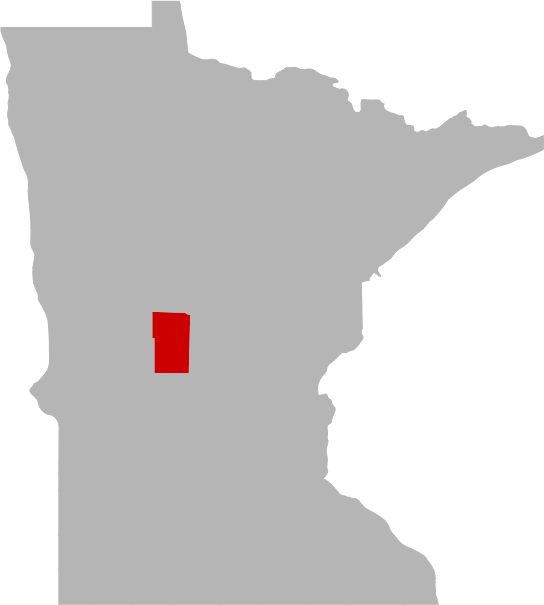
Todd County, Minnesota
The lake has a maximum depth of 73 feet and an average depth of 12 feet. It is surrounded by forests and rolling hills, which provide a picturesque backdrop for water-based activities such as boating, fishing, and swimming. The lake is home to a variety of fish species, including walleye, northern pike, bass, and panfish, which are popular targets for anglers.
Osakis Lake is also an important ecological resource, providing habitat for a variety of plant and animal species. The lake is managed by the Minnesota Department of Natural Resources to protect and conserve the area's natural resources.
In addition to its natural beauty and recreational opportunities, Osakis Lake is surrounded by several parks, campgrounds, and resorts, making it a popular vacation destination. The area also offers hiking and biking trails, hunting opportunities, and other outdoor activities for visitors to enjoy.
Overall, Osakis Lake is a popular and vibrant natural resource in central Minnesota, offering a wide range of recreational opportunities and ecological significance. The lake is also known for its historical significance to the region, being an important transportation route for Native Americans and early settlers.
Share your catch!
We want to see what you've caught on Lake Osakis.Frequently Asked Questions About Lake Osakis, MN
- How big is Lake Osakis?
- How deep is Lake Osakis?
- What kind of fish can you catch in Lake Osakis?
- Are there fishing guides or charters for Lake Osakis?
- What are the closest cities to Lake Osakis?
- Are there places to stay in the Lake Osakis area?
- Are there boat launches on Lake Osakis?
- Are there places to eat and drink near Lake Osakis?
- What are the fishing regulations for Lake Osakis?
- What is the average air temp for Lake Osakis?
- Are there any state parks near Lake Osakis?
How big is Lake Osakis?
How deep is Lake Osakis?
What kind of fish can you catch in Lake Osakis?
Other fish species in the lake include Blacknose Shiner, Bluntnose Minnow, Brook Stickleback, Cisco (Tullibee), Common Shiner, Emerald Shiner, Golden Shiner, Hybrid Sunfish, Iowa Darter, Johnny Darter, Logperch, Mimic Shiner, Shorthead Redhorse, Spottail Shiner and White Sucker.
Are there fishing guides or charters for Lake Osakis?

What are the closest cities to Lake Osakis?
Are there places to stay in the Lake Osakis area?
More Lodging Options
Are there boat launches on Lake Osakis?
Are there places to eat and drink near Lake Osakis?
What are the fishing regulations for Lake Osakis?
 There are specific fishing regulations Lake Osakis that you need to know. For complete fishing regulations visit the Minnesota Department of Natural Resources. To report a violation call (800) 652-9093. Need a Minnesota fishing license?
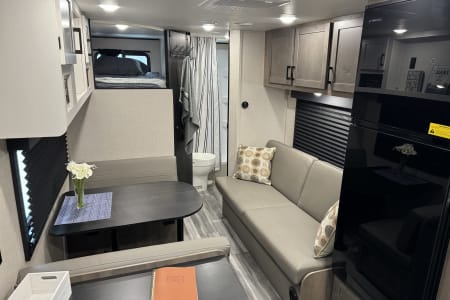
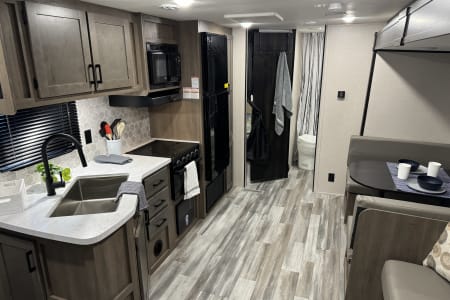
Explore the Lake Osakis area in a RV
Are you looking for an adventurous vacation option that won't break the bank? Look no further than renting an RV! Contrary to popular belief, the process is much simpler than you might imagine. With just a few easy steps, you'll soon be experiencing the ultimate freedom and convenience of exploring the open road in your very own recreational vehicle. And the best part? RV travel can save you up to 60% compared to other types of vacations! With the money you'll save, you'll be able to travel even more and create unforgettable memories along the way. So why wait? Start planning your next adventure today with an RV rental. Learn more about renting a RV.

What aquatic invasive species are found in Lake Osakis?
Join us in the fight to prevent the spread of invasive species These sneaky creatures can hitch a ride on boats, clinging onto propellers, anchor lines, and trailers. They can even survive in hidden places like bilge water and ballast tanks, or disguise themselves in dirt and sand that sticks to nets, buckets, anchors, and waders. But don't worry, we have the power to stop them in their tracks with just a few simple steps. So let's do our part and protect our waters from these unwanted invaders.
History & Status of the Fishery
Lake Osakis (6,389 acres) is a nutrient-rich, highly productive basin located in both Douglas and Todd counties. Due to high nutrient levels, water quality can be seasonally impaired with periodic algal blooms and low water clarity (<3.5 feet). Lake Osakis supports a diverse fish community and robust fishery in part due to a variety of fish habitats that include large, expansive bulrush beds, mid-lake flats, and rocky bars and shorelines. Multiple public accesses are available, including a fishing pier located at Battle Point Park. Caution should be used when navigating near Moon Bar (southwest of Battle Point) to avoid large rocks (some are marked with hazard buoys). Due to the popularity of Osakis' fish resources, recreational activity can be high during both open water and winter seasons. Sunfish harvest is regulated with a reduced daily bag limit of 10 fish and Walleye harvest is regulated with a 15-inch minimum length limit. In August 2022 a standard fish survey was completed to gain current information of the fish community. Walleye catch rates were similar to the previous survey at 6.2 fish/gill net, though this catch rate is below average for Lake Osakis. Young Walleye are stocked each year by the DNR and Osakis Lake and Resort Associations to supplement natural reproduction and recruitment, although assessing contributions from natural reproduction and the different stockings that take place is difficult due to the high frequency of Walleye stocking events. Moderate sized year classes were recorded from 2018 and 2021 that should provide good Walleye fishing opportunities for the next several years. Approximately 50% of Walleye caught in the survey exceeded 15 inches in total length and were legal to harvest. On average, Walleye reach the 15-inch minimum length limit at around 3 years old. Northern Pike abundance was near the long term average for Lake Osakis. Gill net catches averaged 5.3 fish/gill net, which is lower than many lakes in the area, but more desirable when hoping to maintain higher Walleye abundance. The largest pike caught measured 31 inches. Many of the pike caught during surveys on Lake Osakis are smaller fish. Anglers are encouraged to take advantage of expanded harvest opportunities within the North-central Harvest Zone to increase harvest of this surplus of small (<22 inches) Northern Pike. Lake Osakis supports high quality bass and panfish fishing opportunities. Black Crappie catch rates declined again in 2022, but were still above the long term average for Lake Osakis. An extremely large Black Crappie year class from 2010 elevated crappie numbers to historic proportions during past surveys. While crappie fisheries tend to be cyclical in nature, these very large year classes can impact recruitment of other species, especially Walleye. The moderate abundance of Black Crappie currently in Lake Osakis will still provide excellent crappie fishing, while likely providing room for the Walleye population to rebound. Many of the crappie caught during this survey were smaller, but they grow fast in Lake Osakis and should soon reach harvestable sizes. Most Bluegill caught during the survey were smaller, younger fish. Only a few Bluegill over 8 inches were observed. Lake Osakis has the potential to grow very large Bluegill, but excessive harvest can greatly reduce the number of fish that live long enough to make it to larger sizes. Anglers supported the implementation of a reduced daily bag limit of 10 sunfish that took effect in the spring of 2021. The regulation is intended to help improve the size structure of Bluegill in Lake Osakis. Largemouth Bass catch rates during the 2022 electrofishing survey were lower than previous surveys, but a late cold spring may have hampered survey results. Largemouth Bass also grow fast in Lake Osakis and almost half of the fish caught in the survey were over 15 inches. Though Smallmouth Bass are often observed in lower numbers during surveys, they can provide an excellent fishing opportunity as well during certain times of the year. Yellow Perch numbers decreased in the 2022 survey, but were still above average for Lake Osakis. While only a few fish appear to reach harvestable size, high perch numbers provide a great food source for predators such as Walleyes and Northern Pike. Higher perch numbers and greater availability of a preferred food item may also limit predation on small Walleye by Northern Pike and larger Walleyes. Other notable fishes captured in the 2018 survey included Cisco (Tullibee), Bowfin (Dogfish), and three species of bullheads (Brown, Yellow, and Black). Lake Osakis has produced state record fish including Yellow Bullhead (3 lbs. 10oz.) and Rock Bass (2 lbs. 0 oz.). Lake Osakis was designated as an infested water after the discovery of zebra mussels in 2017. Recreational users should take necessary precautions to prevent further spread of invasive species. Drain all water and remove all aquatic vegetation from your boat and trailer when leaving any body of water.
What is the average air temp for Lake Osakis?
Are there any state parks near Lake Osakis?
For more Minnesota State Park information see our State Park Guide.
More Nearby Lakes To Explore
There's more lake's to explore around Lake Osakis...| DISTANCE | ACRES | MAX DEPTH | |
| Platt Lake | 2.6 mi | 15 | |
| Randall Lake | 2.9 mi | 15 | |
| Faille Lake | 3.3 mi | 72 | |
| Unnamed Lake | 3.3 mi | 30 | |
| Stevens Lake | 3.8 mi | 27 | |
| Unnamed Lake | 3.9 mi | 30 | |
| Little Osakis Lake | 4.2 mi | 114 | 43 ft |
| Unnamed Lake | 4.5 mi | 49 | |
| Bird Lake | 4.5 mi | 111 | |
| Maple Lake | 5.0 mi | 388 | 23 ft |


