


Preston Lake
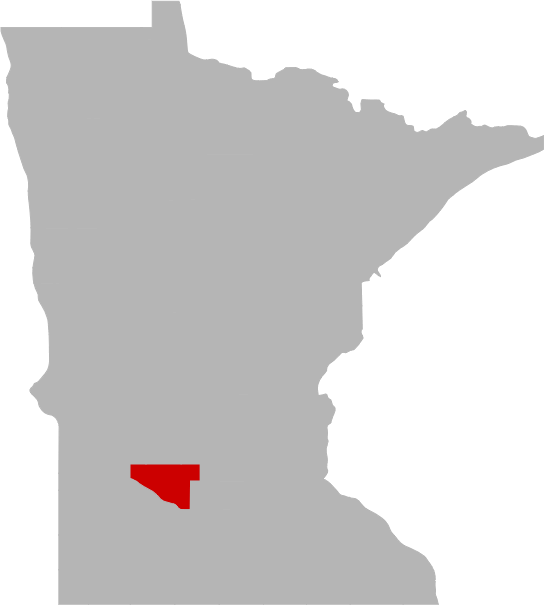
Renville County, Minnesota

Share Your Catch & Win!
Frequently Asked Questions About Preston Lake, MN
- How big is Preston Lake?
- How deep is Preston Lake?
- What kind of fish can you catch in Preston Lake?
- What are the closest cities to Preston Lake?
- Are there places to stay in the Preston Lake area?
- Are there topographical lake maps available Preston Lake?
- Are there boat launches on Preston Lake?
- Are there places to eat and drink near Preston Lake?
- What is the average air temp for Preston Lake?
- Are there any state parks near Preston Lake?
How big is Preston Lake?
How deep is Preston Lake?
What kind of fish can you catch in Preston Lake?
Other fish species in the lake include Blacknose Dace, Fathead Minnow, Golden Shiner, Green Sunfish, Hybrid Sunfish, Johnny Darter, Orangespotted Sunfish and White Sucker.
What are the closest cities to Preston Lake?
Are there places to stay in the Preston Lake area?
More Lodging Options
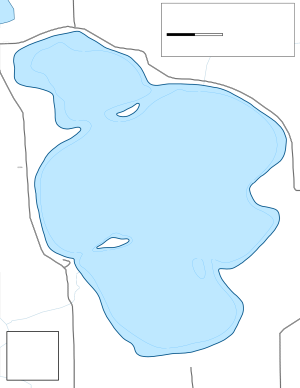
Are there topographical lake maps available Preston Lake?
Are there boat launches on Preston Lake?
Are there places to eat and drink near Preston Lake?
History & Status of the Fishery
A standard survey was conducted at Preston Lake beginning on July 15, 2019, to monitor the lake's fish population and to evaluate the 1994 Walleye fry stocking regime. Preston is a class 43 lake and net catches were compared to other similar lakes around the state. The 2016 MNDNR Fisheries lake management plan (LMP) listed Walleye as the primary management species at Preston Lake. Black Crappie and Northern Pike were listed as secondary management species. In 2019, a total of 11 species, plus hybrid sunfish, were sampled in the gill nets (GN) and trap nets (TN). The dissolved oxygen concentration was 3.4 mg/l, one foot off the bottom in 10.4 feet of water, indicating a well oxygenated (top to bottom) lake. Water clarity was poor with a secchi disk reading of 2.3 feet, due to an algae bloom. Only Walleye were aged for this survey. Preston has a history of winterkill, and a partial kill occurred in 2013. Fish populations can fluctuate widely from year to year at Preston, depending on the frequency and severity of winterkill. A fishing pier was available at the public access on the lake's western shore. Submergent vegetation density can vary greatly from year to year at Preston, with aquatic plants being very sparse some years and others years, like 2019, being abundant.
Gill nets sampled high numbers of Walleye (114) for a catch rate of 14.3/net, which was within the normal range for this type of lake, and the highest ever recorded at Preston. The 2016 LMP's long-range goal for Walleye (2.3 to 18.1/net) was met. The 2015 GN catch rate was very similar at 13.7/net. The latest six GN catch rates (1994 to 2019) were all within the normal range for this lake type. Historic GN catch rates from 1974 to 2019 (n=12), under various stocking regimes, were variable ranging from 0.0 to 14.3/net with an average of 6.3. In 2019, gill netted Walleye were 9.3 to 25.9 inches long averaging 17.2 inches. Trap nets sampled Walleye up to 26.9 inches in length. Approximately 93% of the GN catch was 15 inches or longer, indicating a high quality population. Gill netted Walleye were estimated to be age-1 to age-6 with six year classes present. The 2015 and 2016 year classes were both considered to be strong. The other four year classes were all considered to be weak in size. Growth for age-3 and age-4 fish was considered fast, when compared to statewide averages. In 2019, non-stocked years accounted for 2% of the GN aged Walleye, possibly indicating that significant natural reproduction may not be occurring at Preston. The contribution from natural reproduction during fry stocked years remained unknown, due to the inability to differentiate the two groups. Gill net catch rates, from 2000 to 2019 (n=5), during the 1994 stocking regime (655,000 Walleye fry 2 of 3 years) ranged from 5.2 to 14.3/net with an average of 10.3, possibly indicating a successful stocking strategy. A partial winterkill occurred in 2013, and the oldest Walleye aged in 2019 was age-6 (2013 year class). Walleye anglers should expect good action and nice sized fish from Preston's 2019 population.
Gill nets sampled moderate numbers (>5/GN and <10/GN) of Northern Pike (43) for a catch rate of 5.4/net, which was within the normal range for this type of lake. The 2015 catch rate was similar at 3.1/net. The 2016 LMP's long-range goal (>1.1/net) was met. Catch rates from 1974 to 2019 (n=12) were variable, ranging from 0.7 to 39.5/net with an average of 7.8. Historically, recruitment would be classified as low to moderate. Northern Pike were last stocked (64,040 fry) in 2010, following a partial winterkill. In 2019, gill netted Northern Pike were 9.1 to 32.1 inches long with an average of 21.8 inches. Lower Northern Pike abundance over the last 30 years has likely helped Walleye to flourish at Preston Lake. Preston was included in the 2018 Northern Pike Southern Management Zone regulation area, which had a 24 inch minimum size limit (all pike less than 24 inches in length must be immediately released) in place. The regulation was designed to increase pike abundance and improve the size of harvested fish. Preston was occasionally clear enough for dark house spearing.
Trap nets sampled low numbers (17) of Black Crappie in 2019 for a catch rate of 1.6/net, which was within the normal range for this type of lake. The 2016 LMP's long range goal (maintain presence) was met. The 2015 Black Crappie TN catch rate was 0.0/net, the lowest ever recorded. Trap net catch rates from 1974 to 2019 (n=12) were variable, ranging from 0.0 to 29.8/net with an average of 6.9. The four most recent TN catch rates (2005 to 2019) have all indicated low abundance for this species. In 2019, trap netted Black Crappie were 5.2 to 9.0 inches long with an average of 6.3 inches. Gill nets also sampled low numbers (2) of Black Crappie for a catch rate of 0.3/net, which was below the normal range for this type of lake. The 2019 GN catch rate was tied for the third lowest on record at Preston Lake, and indicated low abundance. The latest three GN catch rates (2010, 2015, and 2019) were all low (<0.5/GN). Historic GN catch rates from 1974 to 2019 (n=12) were generally low, ranging from 0.0 to 62.0/net with an average of 11.4. In 2019, the two gill netted Black Crappie were 6.3 and 11.6 inches long. The decline in Black Crappie abundance, since 2000, was of concern and was likely related to competition, forage, and/or predation. A shift seems to have possibly occurred, with Black Crappie decreasing and Walleye (a known predator on small crappie) increasing over the last 14 years at Preston. A similar change occurred at Allie over the same time period. Since Black Crappie have such high reproductive potential they were rarely limited by reproduction. Spawning habitat was believed to be sufficient for Black Crappie at Preston, however habitat favorable for the survival of young crappie may be lacking. Black Crappie were last stocked (854 adults) in 2010. Crappie anglers may want to try a different lake.
Trap nets sampled moderate numbers of Bluegill (333) for a catch rate of 30.3/net which was above the normal range for this type of lake and the second highest catch rate on record at Preston. Bluegill were the most abundant fish sampled in 2019 TN's. The 2005, 2010, and 2015 catch rates were much lower, ranging from 0.2 to 6.8/net. Historic TN catch rates from 1974 to 2019 (n=12) were mostly low, ranging from 0.1 to 42.6/net, with an average of 8.7. Bluegill were intolerant of low oxygen levels and typically do not do well in winterkill lakes. If there is a long enough gap between winterkill events a decent population can develop, but a stable and long-term Bluegill fishery would be unlikely. In 2019, trap netted Bluegill were 3.0 to 9.9 inches long with an average of 4.4 inches. Approximately 8% of the TN catch was 6 inches or longer, indicating a poor size structure dominated by small fish. Fish should grow to a more acceptable size to anglers in the next year or two. Recent increases in submergent vegetation habitat may also be benefitting the Bluegill population.
Gill nets sampled high numbers of Yellow Perch (126) for a catch rate of 15.8/net, which was within the normal range for this type of lake and was the second highest catch ever recorded at Preston. The 2015 GN catch rate was 1.8/net. Historic GN catch rates from 1974 to 2019 (n=12) were variable ranging from 0.4 to 31.5/net with an average of 6.7. In 2019, gill netted Yellow Perch were 5.2 to 7.4 inches long with averaging 6.3 inches. Yellow Perch were probably an important forage item for Walleye at Preston Lake. Perch occasionally reach acceptable sizes for angling at Preston.
Trap nets sampled moderate to high numbers of Common Carp (89) for a catch rate of 8.1/net, which was above the normal range for this type of lake and was the second highest on record at Preston. Historic TN catch rates (n=12) from 1974 to 2019 were variable, ranging from 0.0 to 13.1/net with an average of 2.9. Trap netted Common Carp were 2.8 to 30.9 inches long with an average length of 6.1 inches. Small (<4.5 inches in length) carp accounted for 90% of the trap net catch, possibly indicating a strong 2018 year class. Gill nets sampled low numbers of Common Carp (5) for a catch rate of 0.6/net. Historic GN catch rates were variable, ranging from 0.0 to 23.1/net with an average of 3.3. In 2019, gill netted Common Carp were 4.2 to 29.9 inches long averaging 21.5 inches. Multiple Walleye and Yellow Perch were regurgitating young of the year Common Carp while being processed in 2019.
Gill nets sampled low (140) numbers of Black Bullhead for a catch rate of 17.5/net, which was below the normal range for this type of lake. The latest four catch rates (2005 to 2019) were all below the lakes normal range, indicating low numbers over the last 14 years. Historic GN catch rates from 1974 to 2019 (n=12) were highly variable, ranging from 0.4 to 382.5/net with an average of 116.9. In 2019, trap nets sampled low numbers (102) of Black Bullhead for a catch rate of 9.3/net which was below the normal range for this lake type. Historic TN catch rates (n=12) were highly variable ranging from 0.5 to 198.1/net with an average of 64.5. Trap net catches (n=4), from 2005 to 2019, showed a similar pattern to GN catches during that time period, with all the TN catch rates being below the lake class normal range, indicating a low abundance. Preston Lake data indicated that an ecological shift, favoring lower numbers of Black Bullhead, had occurred over the last 20 years, but the exact reason for the trend was unknown. A similar occurrence took place at nearby Allie Lake. Reduced winterkill frequency along with increased predator abundance could be responsible for the low bullhead numbers.
Additional fishes sampled in the standard gear included; Bigmouth Buffalo, Green Sunfish, Hybrid Sunfish, Orangespotted Sunfish, and White Sucker.
What is the average air temp for Preston Lake?
Are there any state parks near Preston Lake?
For more Minnesota State Park information see our State Park Guide.
More Nearby Lakes To Explore
There's more lake's to explore around Preston Lake...| DISTANCE | ACRES | MAX DEPTH | |
| Lake Allie | 1.7 mi | 509 | 12 ft |
| DAAK WMA | 3.3 mi | 10 | |
| Phare Lake | 3.6 mi | 136 | |
| Hodgson Lake | 4.6 mi | 143 | |
| Eagle Lake | 4.7 mi | 348 | |
| Round Grove Lake | 5.4 mi | 296 | 7 ft |
| Lake Whitney | 5.9 mi | 133 | |
| Barber Lake | 6.5 mi | 133 | |
| Boon Lake | 7.2 mi | 764 | |
| Lake Marion | 7.6 mi | 520 | 15 ft |


