


Wolf Lake
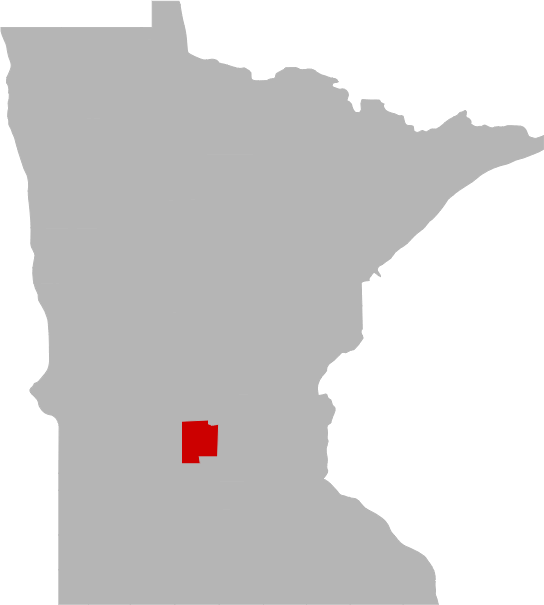
Meeker County, Minnesota

Today's Fishing Forecast
Fishing looks to be not very active with peak fishing times around 8-9 AM and 3-5 PM. SEE MORE

Share Your Catch & Win!
Frequently Asked Questions About Wolf Lake, MN
- How big is Wolf Lake?
- How deep is Wolf Lake?
- What kind of fish can you catch in Wolf Lake?
- What are the closest cities to Wolf Lake?
- Are there places to stay in the Wolf Lake area?
- Are there boat launches on Wolf Lake?
- Are there places to eat and drink near Wolf Lake?
- What is the average air temp for Wolf Lake?
How big is Wolf Lake?
How deep is Wolf Lake?
What kind of fish can you catch in Wolf Lake?
Other fish species in the lake include Golden Shiner, Green Sunfish, Hybrid Sunfish, Tadpole Madtom and White Sucker.
What are the closest cities to Wolf Lake?
Are there places to stay in the Wolf Lake area?
More Lodging Options
Are there boat launches on Wolf Lake?
Are there places to eat and drink near Wolf Lake?
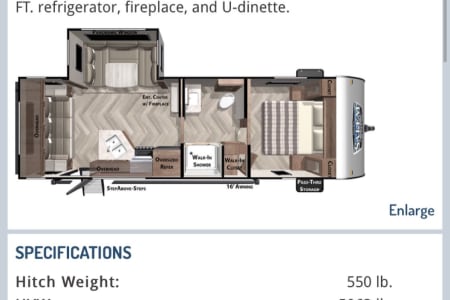
Explore the Wolf Lake area in a RV
Are you looking for an adventurous vacation option that won't break the bank? Look no further than renting an RV! Contrary to popular belief, the process is much simpler than you might imagine. With just a few easy steps, you'll soon be experiencing the ultimate freedom and convenience of exploring the open road in your very own recreational vehicle. And the best part? RV travel can save you up to 60% compared to other types of vacations! With the money you'll save, you'll be able to travel even more and create unforgettable memories along the way. So why wait? Start planning your next adventure today with an RV rental. Learn more about renting a RV.


What aquatic invasive species are found in Wolf Lake?
Join us in the fight to prevent the spread of invasive species These sneaky creatures can hitch a ride on boats, clinging onto propellers, anchor lines, and trailers. They can even survive in hidden places like bilge water and ballast tanks, or disguise themselves in dirt and sand that sticks to nets, buckets, anchors, and waders. But don't worry, we have the power to stop them in their tracks with just a few simple steps. So let's do our part and protect our waters from these unwanted invaders.
History & Status of the Fishery
Wolf, also known as Big Wolf, is a small-sized lake (262 acres) located south of the City of Dassel in Meeker County. A state-owned access with a single cement boat ramp is present on the south shore. Wolf has almost three miles of shoreline and a maximum depth of eleven feet. The Minnesota Department of Natural Resources (MNDNR) has divided Minnesota's lakes into 44 different classes based on physical and chemical characteristics. Wolf is a class 43 lake and other similar waterbodies in the Hutchinson Fisheries Management Area are Swan and Winsted Lakes in McLeod County. Wolf's 2016 lake management plan listed Northern Pike as primary management species, while Black Crappie, Bluegill and Largemouth Bass were listed as secondary management species. Wolf has experienced partial winterkills in the past, with the latest event occurring in 2014. Fish populations can fluctuate greatly depending on the frequency and severity of winterkill events. Fish can typically immigrate into Wolf Lake from Jennie Lake during spring and other high flow events, thus repopulating Wolf following occurrences of winterkill. Management species are occasionally stocked following winterkill, depending on how severe the kill was and species availability. Wolf's water clarity is often good during the winter and the lake is popular with spear fishermen seeking Northern Pike. The aquatic plant, Curlyleaf pondweed, can be abundant at Wolf Lake in May and June - often forming surface mats out to eight feet in depth. Netting was completed in 2023 to monitor the fish populations.
Moderate numbers of Northern Pike were gill netted this year with fish averaging 23 inches in length. Approximately 6% of pike netted were 26 inches or longer. Northern pike regulations were revised at a statewide level beginning in 2018 to better accommodate regional differences in pike habitats and population abundance and size structuring. Three zones were established for northern pike with their own bag and length limit restrictions. In the north-central zone, anglers can keep up to 10 northern pike, but no more than two pike larger than 26 inches; and all pike from 22 to 26 inches must be released. This zone regulation is meant to reduce small pike abundance by shifting population size structure back to more medium to large pike.
Moderate numbers of Black Crappie were netted in 2023. Approximately 12% of the gill net catch was 9 inches or longer. The longest Black Crappie sampled in summer gill nets was just under 11 inches. High numbers of Yellow Perch were netted and most were small. Average length was 6.5 inches, and the longest perch sampled was 7.9 inches. Perch play an important role as forage in this lake. Low numbers of Bluegill were netted, but that species typically does not sample well in gill nets. Average length was 5.3 inches and maximum length was 7.7 inches. Low numbers of Largemouth Bass were gill netted, but they also do not typically sample well in the gill nets. The maximum length for Largemouth Bass was 18 inches. Black Bullhead were sampled in moderate numbers and they were the most abundant fish sampled at Wolf Lake in 2023. Many (60%) of the Black Bullhead were over 10 inches in length, with maximum length being 15 inches.
Additional fishes sampled in the gill nets included Brown Bullhead, Common Carp, Golden Shiner, Hybrid Sunfish, Pumpkinseed and Walleye.
People can have significant impacts on lakes and the fish populations they support. Overharvest, lakeshore development, removal of shoreline vegetation, and introductions of invasive species can all adversely affect fish populations. Aquatic invasive species (AIS) are typically moved from infested to non-infested waters by anglers, boaters and lakeshore owners, and can adversely impact lakes and fish populations. Wolf Lake has the AIS Eurasian watermilfoil. To avoid spreading AIS, lake users are required to remove all aquatic plants and animals from their watercraft and drain all lake water from their boat and bait buckets before leaving the lake. If you suspect an infestation of an invasive species in this lake, save a specimen and report it to a local MNDNR office. Additional information on all of these topics can be found on the MNDNR website (www.dnr.state.mn.us) or by contacting the Hutchinson Area Fisheries office.
What is the average air temp for Wolf Lake?
More Nearby Lakes To Explore
There's more lake's to explore around Wolf Lake...| DISTANCE | ACRES | MAX DEPTH | |
| Little Wolf Lake | 1.0 mi | 59 | |
| Lake Jennie | 1.8 mi | 1,069 | 15 ft |
| Spencer Lake | 2.0 mi | 143 | |
| Lake Byron | 2.1 mi | 348 | |
| Maple Lake | 2.5 mi | 139 | 7 ft |
| Unnamed Lake | 3.1 mi | 10 | |
| Unnamed Lake | 3.3 mi | 22 | |
| O'Mera Lake | 3.3 mi | 20 | |
| Little Bear Lake | 3.4 mi | 99 | |
| Butternut Lake | 3.5 mi | 77 |
