


Carrie Lake
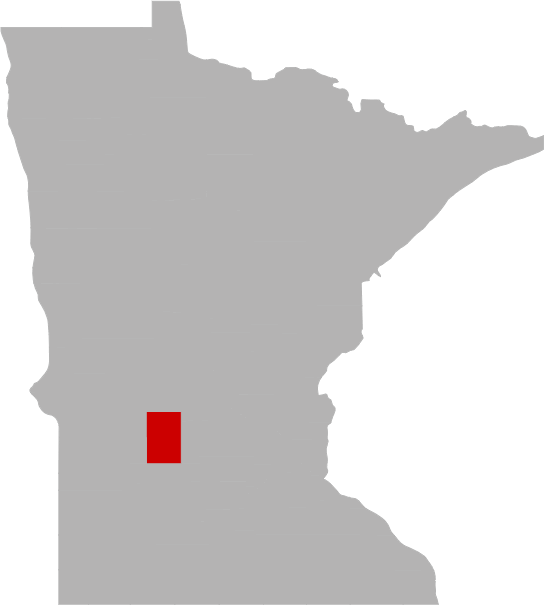
Kandiyohi County, Minnesota

Today's Fishing Forecast
Fishing looks to be moderately active with peak fishing times around 8-9 AM and 3-5 PM. SEE MORE

Share Your Catch & Win!
Frequently Asked Questions About Carrie Lake, MN
- How big is Carrie Lake?
- How deep is Carrie Lake?
- What kind of fish can you catch in Carrie Lake?
- What are the closest cities to Carrie Lake?
- Are there places to stay in the Carrie Lake area?
- Are there boat launches on Carrie Lake?
- Are there places to eat and drink near Carrie Lake?
- What is the average air temp for Carrie Lake?
- Are there any state parks near Carrie Lake?
How big is Carrie Lake?
How deep is Carrie Lake?
What kind of fish can you catch in Carrie Lake?
Other fish species in the lake include Bluntnose Minnow, Fathead Minnow, Golden Shiner, Green Sunfish, Hybrid Sunfish, Iowa Darter, Johnny Darter, Orangespotted Sunfish, Spottail Shiner and White Sucker.
What are the closest cities to Carrie Lake?
Are there places to stay in the Carrie Lake area?
More Lodging Options
Are there boat launches on Carrie Lake?
Are there places to eat and drink near Carrie Lake?
History & Status of the Fishery
Carrie Lake is part of a statewide, long-term monitoring program (SLICE) to document effects of climate change and other stressors on 25 lakes. Temperature dataloggers are retrieved, downloaded and redeployed in the deepest portion of lake during early winter each year on Carrie Lake as part of SLICE program. The data logger records water temperature every 30 minutes at a depth of approximately 7 feet. A standard survey of Carrie was conducted on June 21, 2021 to evaluate Bluegill, Black Crappie, Yellow Perch, Northern Pike and Walleye populations with gillnet and trapnets. A spring night electrofishing was conducted on June 1, 2021 to evaluate the Largemouth Bass population. A fall night electrofishing survey was last conducted on September 5, 2019 to evaluate young of year "YOY" (fingerling sized) Walleye numbers due to a fryling stocking.
Carrie is a small (89 acres), moderately deep (26 feet maximum), and moderately productive lake located in Kandiyohi County. Carrie is connected via the outlet to a large productive and shallow lake (Elizabeth) during high water levels. Fish movement between the two lakes is possible via the outlet channel during high flows. High water levels occurred during June-July of 2014 and fall of 2016. No or reduced outlet connection was present due to low water levels in 2020 and 2021. Dissolved oxygen was near 8.0 ppm from the surface to 20 feet deep during the 2021 summer standard survey. The water temperature was near 70 F at the same depths. Water clarity was 4.0 feet on June 21, 2021. Dissolved oxygen was near 12 ppm at 1 foot below the ice during late December of 2021. Winterkill has never been an issue for Carrie due to its depth (26 feet) unlike two other nearby shallow (10 feet or less) lakes (Elizabeth and Ella). Emergent and floating-leaf aquatic vegetation present in moderate densities include cattail species, hardstem bulrush, white waterlily and yellow waterlily. Submergent vegetation species and densities have been generally limited (water moss, coontail, sago pondweed) during past surveys in Carrie. Submergent vegetation and macroalgal densities (chara, coontail) were low in 2021. Yellow waterlily frequency was low compared to previous years along the southwest cattail shore area. Curly-leaf pondweed was present in numerous scattered stands and 10 of 60 points along near shore areas of the lake, especially along the north end of the lake in June of 2013, but none in 2021. Curly-leaf pondweed was never sampled in lake surveys prior to 2010; however, it was present at one point site during the June 2010 vegetation survey. Curly-leaf pondweed densities have been abundant in nearby Elizabeth and Ella during past years. Nearby Lake Elizabeth water levels were low with high densities of submergent vegetation (coontail, northern milfoil, sago pondweed) in 2021. Shoreland development is limited along Carrie. Low agricultural row crop runoff into Carrie occurs via several small inlets. Shoalwater substrates are composed primarily of sand, marl, clay and silt. The primary species managed in Carrie include Walleye, Largemouth Bass, Bluegill and Black Crappie.
Northern Pike abundance in 2021 gillnet was low (3.00 fish/gillnet) for Carrie. Northern Pike numbers were abundant (13.0 fish/gillnet) in the 2011 (13.00 fish/gillnet) and 2013 (14.00 fish/gillnet) summer gillnet surveys. The Northern Pike historical average catch rate is 7.30 fish/gillnet for Carrie. The 2021 Northern Pike average size was small (2.36 pounds and 21.73 inches). The Northern Pike historical average weight is 2.69 pounds from gillnets. The largest Northern Pike sampled was 30.00 inches in the 2021 nets. Northern Pike growth rates were below or at the Spicer Area normal ranges for ages 1-8. There were no dominant Northern Pike year classes in Carrie. Northern Pike possession limit regulations for Carrie in the North-central Zone are as follows: anglers can keep 10 Northern Pike, but not more than two pike longer than 26 inches; and all from 22 to 26 inches must be released. Northern Pike taken by spearing follow the same rules except one pike may be between 22 and 26 inches or two larger than 26 inches.
Bluegill abundance in 2021 summer trapnets was high (24.00 fish/trapnet) for Carrie. The Bluegill historical average catch rate is 15.52 fish/trapnet. The 2021 Bluegill average size was small (0.08 pounds and 4.82 inches) from trapnets. The Bluegill historical average weight and length were 0.16 pounds and 5.35 inches from trapnets. The 2021 Bluegill catch rate of quality size (6.00 plus inches) was low (2.00 fish/trapnet). Bluegill growth rates were generally within the Spicer Area 50th normal ranges for ages 1-5. The 2019 year class comprised 68% of the 2021 Bluegill survey catch.
Black Crappie abundance in the 2021 summer trapnets was low (5.60 fish/trapnet) for Carrie. High numbers of Black Crappie were captured in 2016 (25.00 fish/trapnet), 2010 (60.20 fish/trapnet) and 2009 (26.00 fish/trapnet). The Black Crappie historical average catch rate is 14.44 fish/trapnet for Carrie. The 2021 Black Crappie average size was small (0.20 pounds and 6.81 inches) from trapnets. The Black Crappie historical average weight is 0.26 pounds from trapnets. Black Crappie abundance was moderate (7.00 fish/gillnet) (0.24 pounds and 7.13 inches) in the 2021 gillnet. The 2021 Black Crappie catch rate of preferred size (10.00 inches and larger fish) was low (0.2 fish/trapnet). Black Crappie growth rates were generally below the Spicer Area normal ranges. The 2019 year class comprised 39% of the 2021 Black Crappie survey catch. White Crappie were absent in the 2021 trapnets and low in the 2016 trapnets (0.80 fish/trapnet).
Black Bullhead absent in the 2021 summer trapnets. Black Bullhead abundance in the 2021 summer gill net was low (0.50 fish/gillnet) for Carrie. The Black Bullhead average weight was large (1.38 pounds) in the 2021 gillnet. The Black Bullhead historical average catch rate were 15.05 fish/gillnet and 18.18 fish/trapnet respectively for Carrie. The highest Black Bullhead trapnet catch rate was 147.40 fish/trapnet in 2002. Yellow Bullhead abundance was low (0.60 fish/trapnet, 0.81 pounds) in the 2021 summer trapnets.
Channel catfish were sampled in gill nets for the first time in Carrie Lake in 2013. One larger individual was captured weighing 9.37 pounds and measuring 24.8 inches in 2013. Channel catfish were sampled for the first time in connected Lake Elizabeth in 2011. No Channel Catfish were captured in Carrie during 2016 or 2021.
Common Carp abundance in 2021 summer trapnets was low (1.00 fish/trapnet) and similar to the historical average (0.86 fish/trapnet) for Carrie. The Common Carp average size was large (7.30 pounds, 24.97 inches) in the 2021 summer trapnets. Common Carp abundance (2.50 fish/gillnet) in 2021 gillnet was also similar to the historical average (2.60 fish/gillnet) for Carrie Lake. Numerous Common Carp were observed surfacing during the 2021 survey.
Largemouth Bass abundance was moderate for Carrie (21.29 fish/hour) in the early-June 2021 electrofishing survey. The 2021 average size was large (15.00 inches, 1.91 pounds) from early-June electrofishing. Most Largemouth Bass females had eggs during the 2021 early-June electrofishing survey. The 2021 Largemouth Bass catch rate of preferred size (15.00 inches and larger fish) was high (12.58 fish/hour). Largemouth Bass growth rates were above or near the Spicer Area normal ranges for ages 1-8. The 2017 and 2016 year classes comprised 36% and 32% respectively of the 2021 early-June electrofishing catch.
Yellow Perch abundance in the 2021 gillnet was moderate (8.00 fish/gillnet) for Carrie. The Yellow Perch historical average catch rate is 10.95 fish/gillnet. The 2021 Yellow Perch average size was moderate (0.13 pounds and 7.72 inches). The Yellow Perch historical average weight is 0.14 pounds from gillnets. Yellow Perch growth rates were below the Spicer Area 50th quartiles for ages 1-5, but at the 50th quartile for age 6. The 2018 year class comprised 41% of the 2021 Yellow Perch survey catch.
Walleye abundance in the 2021 summer gillnet was high (20.50 fish/gillnet) for Carrie. The Walleye historical average catch rate is 6.05 fish/gillnet. The 2021 summer Walleye average weight was 1.32 pounds from the gillnet. Historical average size is 2.03 pounds for Walleye from gillnets. The 2021 Walleye average length was 14.91 inches from gillnet. The 2021 Walleye catch rate of quality size (15.00 inches and larger fish) was high (8.50 fish/gillnet). Walleye growth rates were below the Spicer Area normal ranges for ages 1-7. The 2018 year class (fry stocked) comprised 50% of the 2021 Walleye survey catch.
Walleye yearlings and adults were stocked in 2004 (1,440 fish, 120 pounds), 2006 (97 fish, 58 pounds), 2007 (125 fish, 50 pounds) and 2008 (448 fish, 112 pounds). Walleye oxytetracycline "OTC" marked fry were stocked as frylings (8,496 fish) during early July of 2009 (8,496 Pike River strain fish), 2011 (13,040 Pike River Strain fish), 2013 (3,518 Pike River strain fish) and 2016 (15,220 Spicer strain fish) in Carrie. Unmarked Spicer strain Walleye fry were stocked in 2014 (47,541 fish), 2018 (51,368 fish), 2019 (35,994 fish) and 2021 (51,368 fish).
A fall night electrofishing survey for young of year "YOY" (fingerling sized) Walleye on Carrie Lake was last conducted during 2019. Abundant YOY Walleye numbers were captured in the 2019 fall electrofishing survey (78.00 YOY/hour, 5.60 inches). Low numbers of YOY Walleye (16.00 YOY/hour, 5.39 inches) were captured in the 2018 fall electrofishing survey. Walleye yearlings were abundant (27.00 fish/hour, 9.91 inches) in the 2019 fall survey and moderately abundant (8.00 fish/hour, 14.00 inches) in the 2018 fall survey. Abundant YOY Walleye numbers (62.18 YOY/hour, 5.52 inches) were captured in 2016. No yearling Walleye were captured in the 2016 fall electrofishing survey. Abundant YOY Walleye numbers (98.00 YOY/hour, 5.38 inches average length) were also captured in the 2014 fall electrofishing survey. Low numbers of YOY Walleye (12.00 YOY/hour, 6.00 inches average length) were captured in the 2013 fall electrofishing survey. There were no YOY Walleye captured in the 2010 (non-stocked year) fall electrofishing survey. Abundant YOY Walleye numbers were captured (fryling stocked years) in the 2011 (58.42 YOY/hour, 6.58 inches) and 2009 fall electrofishing surveys (50.32 YOY/hour, 4.94 inches average length). Approximately 97% and 50% of the YOY Walleye were OTC marked fish from the 2011 and 2009 fryling stockings respectively. OTC marked Walleye fish (fryling stocked) comprised of 40% of YOY Walleye in the 2013 fall electrofishing catch. The unmarked fish observed in the 2009 and 2013 falls were probably from connected Lake Elizabeth (2009 and 2013 unmarked fry stockings) or perhaps natural reproduction in Carrie. Good Walleye spawning habitat (wind-swept areas of rubble bars and points) is not present in Carrie. Walleye spawning in the outlet adjacent to Lake Elizabeth has been noted in the past. A large shallow connected lake (Elizabeth) had abundant numbers of YOY Walleye from fry stocking years in 2009 (51.00 YOY/hour), 2011 (86.00 YOY/hour) and 2013 (133.13 YOY/hour). The Walleye population present in Carrie had been primarily the result of fish movement from Elizabeth into Carrie during high water prior to 2009.
Current fish management activities on Carrie include continued participation in the Sentinel Lakes Project, protecting the important aquatic habitats such as emergent and submergent vegetation through the permit process, assisting aquatic plant management and enforcement personnel in educating boaters and monitoring access sites for potential invasive species introductions, encouraging land owners to implement best management practices in the watershed, and stocking various fish species as warranted. All fish species will be sampled in 2026. Fall night electrofishing may be conducted during Walleye fryling/fry stocked years to assess the success or failure of the stockings.
What is the average air temp for Carrie Lake?
Are there any state parks near Carrie Lake?
For more Minnesota State Park information see our State Park Guide.
More Nearby Lakes To Explore
There's more lake's to explore around Carrie Lake...| DISTANCE | ACRES | MAX DEPTH | |
| Mud Lake | 1.0 mi | 67 | |
| Ella Lake | 1.3 mi | 153 | 12 ft |
| Elizabeth (Main Lake) | 1.5 mi | 1,023 | 9 ft |
| Unnamed Lake | 2.2 mi | 17 | |
| Johnson Lake | 2.4 mi | 101 | |
| Unnamed Lake | 2.7 mi | 128 | |
| Unnamed Lake | 3.1 mi | 25 | |
| Unnamed Lake | 3.4 mi | 39 | 8 ft |
| Popple Lake | 3.4 mi | 37 | |
| Summit Lake | 3.5 mi | 133 |
