


Trout Lake
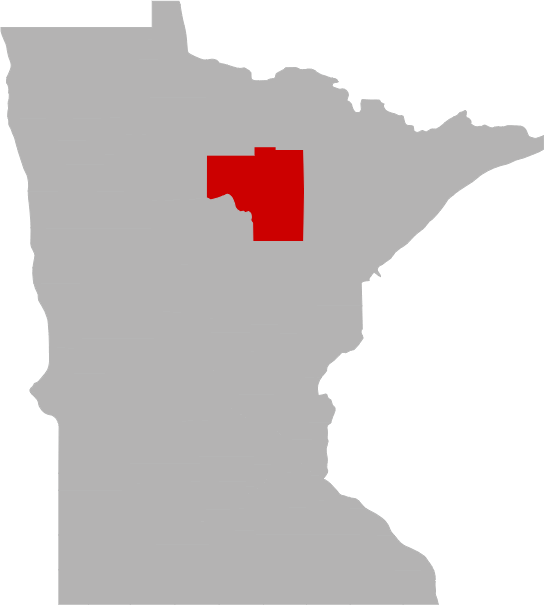
Itasca County, Minnesota

Today's Fishing Forecast
Fishing looks to be moderately active with peak fishing times around 3-5 PM. SEE MORE
Share your catch!
We want to see what you've caught on Trout Lake.Frequently Asked Questions About Trout Lake, MN
- How big is Trout Lake?
- How deep is Trout Lake?
- What kind of fish can you catch in Trout Lake?
- Are there places to stay in the Trout Lake area?
- Are there places to eat and drink near Trout Lake?
- What is the average air temp for Trout Lake?
- Are there any state parks near Trout Lake?
How big is Trout Lake?
How deep is Trout Lake?
What kind of fish can you catch in Trout Lake?
Other fish species in the lake include Cisco (Tullibee), Green Sunfish, Hybrid Sunfish, Splake, Tadpole Madtom and White Sucker.
Are there places to stay in the Trout Lake area?
More Lodging Options
Are there places to eat and drink near Trout Lake?
History & Status of the Fishery
Trout Lake is located about 15 miles north of Grand Rapids in the Chippewa National Forest. Fish production is limited due to low fertility associated with oligotrophic conditions. Early records indicate Lake Trout were a large component of the fishery and has been a primary management species since 1975. Management consisted of frequent stockings. Most stocked fish were given a specific fin clip to help differentiate between stocked age classes and natural reproduction since 1990. Stocking was discontinued after 2017 due to poor returns.
The 2016 lake management plan (LMP) lists Lake Trout as a primary management species, with a deep-water gill net goal of 1.0/net. The 2022 targeted survey was conducted to evaluate the status of the Lake Trout population.
Lake Trout are seldom abundant due to the nature of the cold, infertile lakes they inhabit. They often occupy deep, open water and can be difficult to sample, so low catch rates are common. Despite favorable conditions, catches in deep-water gill nets in Trout Lake have been low, ranging from 0.1 to 2.2/net since 1990. The 2022 catch of 0.2/net resembled the previous survey (0.3/net) and did not meet the LMP goal. All three captured trout had a fin clip indicating two were from the 2017 and one from 2016 stockings. Captured trout ranged from 21.8 to 24.8 inches. The lack of younger fish in the sample suggests natural recruitment has not contributed to the fishery in recent years. The limiting factors for Lake Trout are not clear but it appears recruitment has been poor over the last 20 years regardless of stocking efforts. Additionally, past sampling found preferred habitat may be limited some summers.
Tullibee are considered the main prey fish in Trout Lake and were abundant in the 2022 survey. The catch of 33.5/net was a high catch compared to most surveys. Tullibee were generally small in Trout Lake, making them an ideal prey item for large predators. The 2022 sample averaged 8.2 inches, comparable to previous surveys. Competition from coolwater predators did not appear to limit Lake Trout.
Deep-water gill nets may not reflect the numbers of other species, but Walleye and Northern Pike catches resembled previous surveys and have never been high. The fishery provides good opportunities for anglers to catch large or even trophy pike and Walleye. Both species appear to have high quality size structure as pike averaged 27 inches and a Walleye exceeding 29 inches was captured. Yellow Perch were the only other species sampled in deep-water gill nets.
What is the average air temp for Trout Lake?
Are there any state parks near Trout Lake?
For more Minnesota State Park information see our State Park Guide.
More Nearby Lakes To Explore
There's more lake's to explore around Trout Lake...| DISTANCE | ACRES | MAX DEPTH | |
| Lower Spring Lake | 0.5 mi | 17 | 15 ft |
| Day Lake | 0.8 mi | 41 | 40 ft |
| Upper Spring Lake | 0.9 mi | 18 | 20 ft |
| Bee Cee Lake | 1.4 mi | 29 | 33 ft |
| Beavertail Lake | 1.5 mi | 15 | |
| Little Trout Lake | 1.7 mi | 86 | 80 ft |
| Francis Lake | 1.7 mi | 15 | |
| Moore Lake | 1.9 mi | 97 | 60 ft |
| Moonshine Lake | 1.9 mi | 26 | 68 ft |
| Little Long Lake | 2.0 mi | 305 | 61 ft |
