


Spider Lake
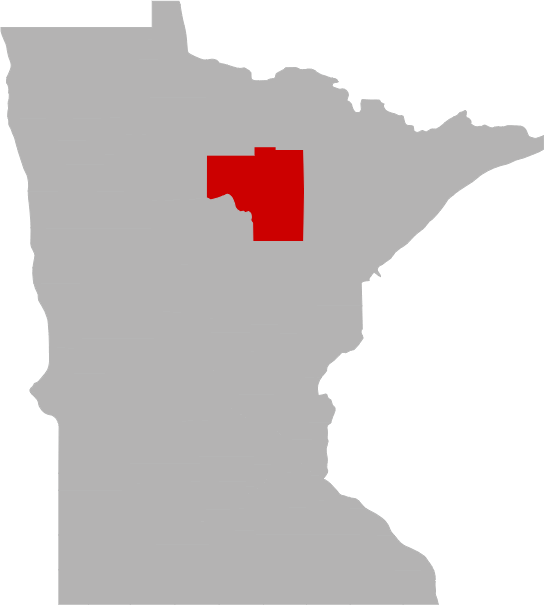
Itasca County, Minnesota
 (3)
(3)Today's Fishing Forecast
Fishing looks to be moderately active with peak fishing times around 3-5 PM. SEE MORE
Share your catch!
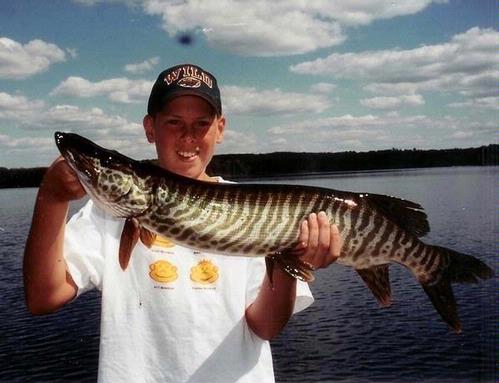
We want to see what you've caught on Spider Lake.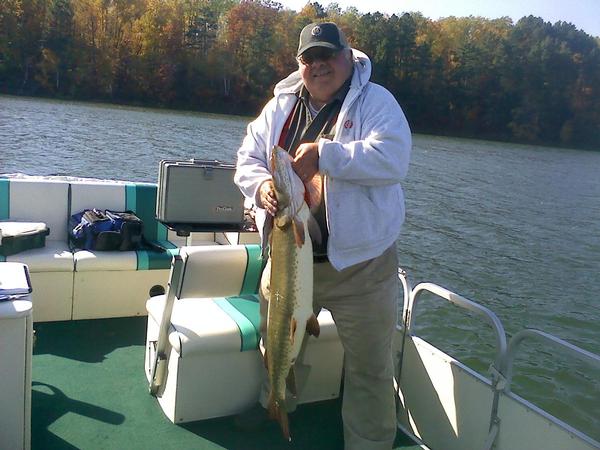
Frequently Asked Questions About Spider Lake, MN
- How big is Spider Lake?
- How deep is Spider Lake?
- What kind of fish can you catch in Spider Lake?
- Are there places to stay in the Spider Lake area?
- Are there topographical lake maps available Spider Lake?
- Are there boat launches on Spider Lake?
- Are there places to eat and drink near Spider Lake?
- What are the fishing regulations for Spider Lake?
- What is the average air temp for Spider Lake?
- Are there any state parks near Spider Lake?
How big is Spider Lake?
How deep is Spider Lake?
What kind of fish can you catch in Spider Lake?
Other fish species in the lake include Banded Killifish, Bluntnose Minnow, Brook Stickleback, Central Mudminnow, Golden Shiner, Hybrid Sunfish, Iowa Darter, Johnny Darter, Logperch, Spottail Shiner, Tadpole Madtom and White Sucker.
Are there places to stay in the Spider Lake area?
More Lodging Options
Are there topographical lake maps available Spider Lake?

Are there boat launches on Spider Lake?
Are there places to eat and drink near Spider Lake?
What are the fishing regulations for Spider Lake?
 There are specific fishing regulations Spider Lake that you need to know. For complete fishing regulations visit the Minnesota Department of Natural Resources. To report a violation call (800) 652-9093. Need a Minnesota fishing license?
Explore the Spider Lake area in a RV
Are you looking for an adventurous vacation option that won't break the bank? Look no further than renting an RV! Contrary to popular belief, the process is much simpler than you might imagine. With just a few easy steps, you'll soon be experiencing the ultimate freedom and convenience of exploring the open road in your very own recreational vehicle. And the best part? RV travel can save you up to 60% compared to other types of vacations! With the money you'll save, you'll be able to travel even more and create unforgettable memories along the way. So why wait? Start planning your next adventure today with an RV rental. Learn more about renting a RV.
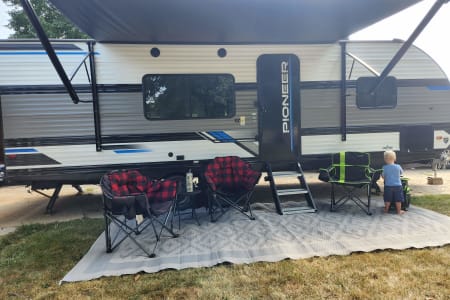

2025 Forest River Cherokee Grey Wolf - Family Friendly & Adventure Ready!
Bemidji, MN

What aquatic invasive species are found in Spider Lake?
Join us in the fight to prevent the spread of invasive species These sneaky creatures can hitch a ride on boats, clinging onto propellers, anchor lines, and trailers. They can even survive in hidden places like bilge water and ballast tanks, or disguise themselves in dirt and sand that sticks to nets, buckets, anchors, and waders. But don't worry, we have the power to stop them in their tracks with just a few simple steps. So let's do our part and protect our waters from these unwanted invaders.
History & Status of the Fishery
Spider Lake is relatively shallow, land-locked lake located eight miles southeast of Marcell, Minnesota. The lake has one public access and shoreline development is almost exclusively on the north basin. Spider Lake is a popular multispecies fishery with a history of producing large Northern Pike. In an attempt to maintain or improve pike sizes a special regulation was implemented in the spring of 2006. The regulation requires all pike from 24 to 36 inches to be released and only one over 36 inches can be in possession. The daily limit remains at three. The 2017 lake management plan (LMP) indicates Northern Pike, Muskellunge, and Walleye are the primary species of management with Black Crappie, Largemouth and Smallmouth Bass as secondary species. The LMP goals were established based on what the lake has produced in the past.
A targeted survey was conducted in August of 2021 to assess the fish community, evaluate the pike special regulation, and Walleye stocking. A total of 12 gill nets were used in the survey as well as spring night electrofishing for Largemouth Bass and Smallmouth Bass.
Spider Lake has a history of lower Northern Pike densities with quality size structures. The three surveys from 2005 to 2016 documented substantial increases in pike catches but the 2021 catch declined to 6.9 fish/net, which was much closer to the LMP goal. Pike populations that are lower often have faster growing fish that attain larger sizes, and less negative influences on the rest of the fish community. The 2021 survey sampled fish that ranged from 13.7 to 33.6 inches and averaged 23.3 inches. Despite the size structure being better than many pike populations, the size structure goals have never been reached since the special regulation was implemented. Fish from age 2 to 9 were estimated from bony structures. Growth remained similar to statewide averages, with fish averaging 21.0 inches after four years. Even though the special regulation has been in place for 15 years, it may require more time for proper evaluation, especially since the population went through a period of high recruitment. Anglers could expect good action from mid-sized pike.
Muskellunge populations naturally exist at very low densities whether it be a population maintained by stocking or sustained by natural reproduction. In addition to existing at low densities, Muskellunge are difficult to capture with standard survey gears during the summer (none sampled in 2021). Consequently, spring trap netting surveys targeting adult fish that move into the shallows to spawn are necessary to monitor the population. Information on the spring of 2016 targeted survey is presented in a separate report.
Walleye management began in the 1940s, but the 1949 survey suggests the population was very low or non-existent. There has been some natural reproduction observed but it appears to be sporadic. Walleye management has included various stocking strategies to boost the population, with annual fingerling stocking since 2017 the latest. In the nine surveys since 1976, the catches have fluctuated from 1.3 to 4.5/net. The catch of 1.3 fish/net in 2021 did not meet the LMP goal of 3.0 fish/net but more time is likely necessary to evaluate the change to fingerling stocking. The sampled fish ranged from 10.5 to 26.5 inches and averaged 19.2 inches. Seven age-classes were estimated using scales and otoliths ranging from age 1 to 20. Growth similar to the statewide averages and fish averaged 14.6 inches after four years of growth. The data suggests anglers would struggle to catch fish consistently at this time.
Spider Lake can have good crappie fishing at times but they were not the target of this survey. The 11 crappies sampled by gill nets ranged from 4.4 to 13.0 inches and averaged 9.0 inches. No age and growth information was collected in this survey.
Largemouth and Smallmouth Bass have been sampled with spring night electrofishing four times since 2005. Since the electrofishing samples occur on only one night, the timing and weather around that night has potential to influence the catches. For example, a strong cold front the day before the sample could move bass out of the shallows and reduce the catches. The Largemouth Bass catches have declined since 2005 but the population remained good in 2021. The sampled fish ranged from 3.5 to 19.8 inches and averaged 11.0 inches. Good natural reproduction has resulted in fish from 1 to 14 years old being sampled. Growth was slower than statewide averages for young fish then similar thereafter.
Smallmouth Bass electrofishing catch rates have been more stable but lower than Largemouth Bass. The catches have modestly declined in each sample. In 2021, fish ranged from 5.6 to 18.6 and averaged 14.7 inches. Age and growth information was not collected in this survey. The combination of Largemouth and Smallmouth Bass opportunities in Spider makes the lake a good choice for action and some nice fish.
Yellow Perch catches have ranged from 10.2 to 99.2/net since 1949. Though the catches have been variable they have been good compared to other lakes that have similar habitat. The 2021 catch of 10.2 fish/net was the lowest on record so that will be noted for future management. The sampled perch ranged from 5.2 to 9.4 inches and averaged 7.0 inches. Yellow Perch are probably more important as a prey species within the fish community than a species targeted by anglers due to their small average size.
Other species observed during the survey included Bluegill, Brown Bullhead, Golden Shiner, Hybrid Sunfish, Pumpkinseed Sunfish, Rock Bass, and White Sucker.
What is the average air temp for Spider Lake?
Are there any state parks near Spider Lake?
For more Minnesota State Park information see our State Park Guide.
Spider Lake Reviews
Below is the word on street about Spider Lake.Have you been to Spider Lake? Why not share your personal reveiw with others?
Submit Review
tony l.

Out of the way
I like that the lake is undeveloped. Peaceful but there are still other boats around. Fishing is ok. We catch a bunch when we go but they are all small. If you like a lot of small largemouth bass, then it is a good lake for you. Spider Shores Resort is nice though. I recommend staying there if you can find an open cabin.christopher r.

katelyn s.

More Nearby Lakes To Explore
There's more lake's to explore around Spider Lake...| DISTANCE | ACRES | MAX DEPTH | |
| William Lake | 1.4 mi | 25 | |
| Snowshoe Lake | 1.5 mi | 25 | |
| Day Lake | 1.5 mi | 41 | 40 ft |
| Fly Lake | 1.7 mi | 69 | |
| Little Long Lake | 1.7 mi | 305 | 61 ft |
| Little Wolf Lake | 1.7 mi | 15 | |
| Little Ruby Lake | 1.8 mi | 10 | |
| Shelly Lake | 1.9 mi | 109 | |
| Lower Spring Lake | 2.0 mi | 17 | 15 ft |
| Chickadee Lake | 2.2 mi | 25 |
