


Ruby Lake
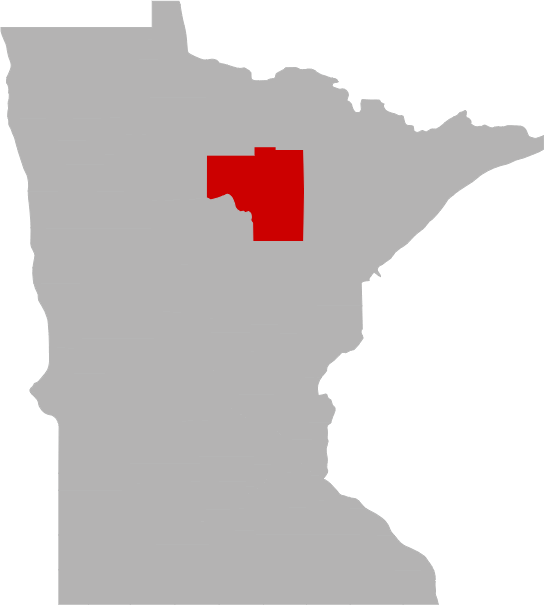
Itasca County, Minnesota

Today's Fishing Forecast
Fishing looks to be moderately active with peak fishing times around 7-8 AM and 3-5 PM. SEE MORE
Share your catch!
We want to see what you've caught on Ruby Lake.Frequently Asked Questions About Ruby Lake, MN
- How big is Ruby Lake?
- How deep is Ruby Lake?
- What kind of fish can you catch in Ruby Lake?
- Are there places to stay in the Ruby Lake area?
- Are there places to eat and drink near Ruby Lake?
- What is the average air temp for Ruby Lake?
- Are there any state parks near Ruby Lake?
How big is Ruby Lake?
How deep is Ruby Lake?
What kind of fish can you catch in Ruby Lake?
Other fish species in the lake include Bluntnose Minnow, Cisco (Tullibee) and White Sucker.
Are there places to stay in the Ruby Lake area?
More Lodging Options
Are there places to eat and drink near Ruby Lake?
Explore the Ruby Lake area in a RV
Are you looking for an adventurous vacation option that won't break the bank? Look no further than renting an RV! Contrary to popular belief, the process is much simpler than you might imagine. With just a few easy steps, you'll soon be experiencing the ultimate freedom and convenience of exploring the open road in your very own recreational vehicle. And the best part? RV travel can save you up to 60% compared to other types of vacations! With the money you'll save, you'll be able to travel even more and create unforgettable memories along the way. So why wait? Start planning your next adventure today with an RV rental. Learn more about renting a RV.
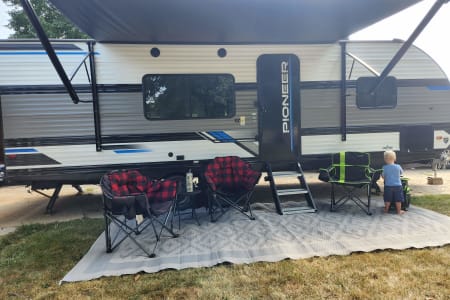

2025 Forest River Cherokee Grey Wolf - Family Friendly & Adventure Ready!
Bemidji, MN

History & Status of the Fishery
Ruby Lake is located seven miles southeast of Marcell, MN in the Big Fork River watershed and the Chippewa National Forest. Ruby is a deep, clear lake with steep drop-offs and a limited amount of aquatic vegetation. The 2009 lake management plan lists Walleye as the primary management species with Northern Pike and Smallmouth Bass as secondary management species.
Ruby Lake has generally been known as a lake that produces lower numbers of Walleye, with the opportunity to catch bigger fish (>25 inches). Recent management included stocking Walleye fingerlings in odd numbered years at one pound/littoral acre. A targeted survey (gill nets only) was conducted in early July 2017 to evaluate the success of the stocking and collect updated information on the fishery.
Walleye were sampled in numbers similar to past surveys and within the typical range for similar lakes. Size structure declined from past surveys. Walleye ranged from 9.4 to 22.2 inches with an average length of 15.2 inches. Ages 2, 4-6 and 9 were represented with age 2 fish making up 58% of the age distribution. Six of the previous ten years were stocked year classes, and 95% of the sample corresponded to stocked years. Growth was average with Walleye attaining 17.3 inches at age 5.
Northern Pike numbers declined slightly from previous surveys but were within the typical range for similar lakes. Size structure was modest; pike ranged from 15.4 to 29.3 inches with an average length of 21.8 inches. Ages 2-5 and 7 were represented with ages 2 and 4 the most frequently sampled. Growth was average with pike attaining 21.5 inches at age 4.
The Yellow Perch catch rate was similar to other recent surveys within the typical range for lakes like Ruby. Perch ranged from 5.7 to 8.5 inches.
Other species sampled included Bluegill, Largemouth Bass, Smallmouth Bass, Pumpkinseed, Rock Bass and White Sucker.
Anglers can help maintain or improve the quality of fishing by practicing selective harvest. Selective harvest allows for the harvest of smaller fish for table fare, but encourages release of medium to large sized fish. Releasing these fish can help maintain balance in the fish community in Ruby Lake and provide anglers the opportunity to catch more and larger fish in the future.
Lakeshore owners may affect fish populations not only through harvesting fish, but also through land use practices. Good water quality and fish populations are the direct result of good land use practices. Shoreline habitat consists of aquatic plants, woody plants and natural lake bottom soils. Plants in the water and at the water's edge provide habitat, prevent erosion and absorb excess nutrients. Shrubs, trees, and woody debris such as fallen trees or limbs provide good habitat both above and below the water surface and should be left in place.
What is the average air temp for Ruby Lake?
Are there any state parks near Ruby Lake?
For more Minnesota State Park information see our State Park Guide.
More Nearby Lakes To Explore
There's more lake's to explore around Ruby Lake...| DISTANCE | ACRES | MAX DEPTH | |
| Little Ruby Lake | 0.8 mi | 10 | |
| Pickerel Lake | 0.9 mi | 40 | |
| Little Island Lake | 0.9 mi | 73 | 35 ft |
| Blind Lake | 1.1 mi | 43 | 106 ft |
| William Lake | 1.1 mi | 25 | |
| Unnamed Lake | 1.1 mi | 10 | |
| Black Island Lake | 1.2 mi | 117 | 59 ft |
| Little Burnt Shanty Lake | 1.2 mi | 12 | |
| Charlie Lake | 1.3 mi | 37 | |
| Snowshoe Lake | 1.4 mi | 25 |
