


Larue Pit
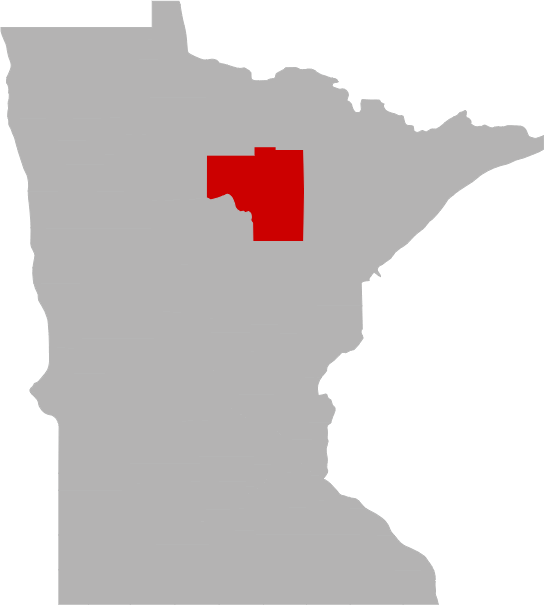
Itasca County, Minnesota

Share your catch!
We want to see what you've caught on Larue Pit.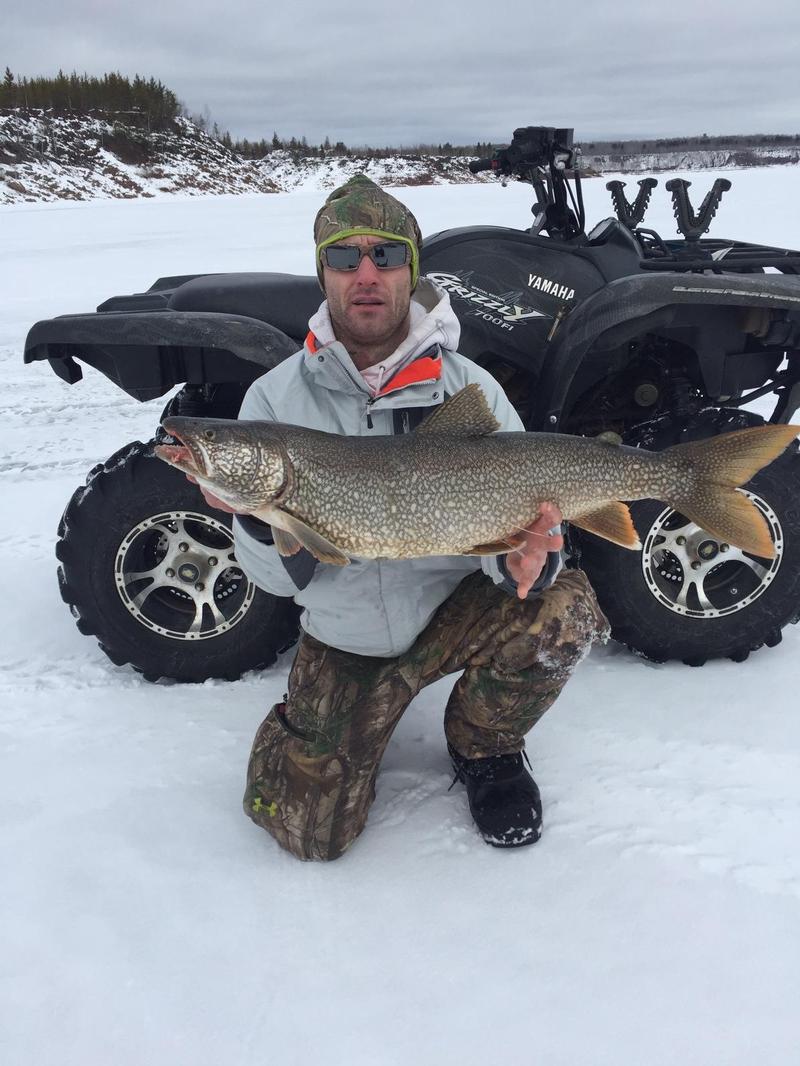
Frequently Asked Questions About Larue Pit, MN
- How big is Larue Pit?
- How deep is Larue Pit?
- What kind of fish can you catch in Larue Pit?
- Are there places to stay in the Larue Pit area?
- Are there places to eat and drink near Larue Pit?
- What is the average air temp for Larue Pit?
How big is Larue Pit?
How deep is Larue Pit?
What kind of fish can you catch in Larue Pit?
Other fish species in the lake include White Sucker.
Are there places to stay in the Larue Pit area?
More Lodging Options
Are there places to eat and drink near Larue Pit?
History & Status of the Fishery
Larue Mine Pit is a complex of four mine pits encompassing about 195 acres with very limited littoral area and a maximum depth of 200 feet. The 2.2 mile shoreline is mostly tax forfeit land. There is a park area on the south west corner where the access is located. Larue Pit has been primarily managed for Rainbow Trout since 1997, though other species of stream trout have been occasionally stocked. The 2008 lake management plan indicates Rainbow Trout are a primary management species while Bluegill are considered a secondary management species. The long range management goal is to provide a put, grow and take stream trout fishery in cooperation with Iron Range Resources and Rehabilitation Board (IRRRB) which would stock Rainbow Trout at a rate of 5/acre (1,000) in the spring and fall. The lake management plan was amended in 2011 to adjust the stocking. The IRRRB vendor's stock is contaminated with bacterial kidney disease and as such cannot be stocked in uncontaminated waters like Larue. The IRRRB stocking was traded between Tioga Pit and Larue Pit. Since 2011, DNR has stocked 1,530 Arlee strain Rainbow Trout yearlings annually. This is the second survey since stream trout stocking had begun. Rusty crayfish, an invasive species, has been documented at various abundances in past assessments.
Rainbow Trout were stocked 13 times in 10 years since 2008. Despite the numerous stockings, no Rainbow Trout were sampled. Brown Trout were stocked five times since 2008, resulting in one fish being sampled. However, mine pits tend to be difficult to net due to physical characteristics, water temperature and volume, as trout tend to suspend in cold deep water during the summer. Anecdotal angler reports suggests trout fishing has been successful and locally popular.
Past Bluegill catches have been relatively high when compared to lakes with similar habitats and characterized by moderately poor size structure, similar to what was observed in 2017. Lengths ranged from 3.4 to 7.9 inches with an average length of 5.7 inches. Ages 3 to 8 were represented with growth comparable to similar lakes.
The Walleye catch was within the expected range for lakes similar to Larue and above the previous survey. Lakes with similar habitats are not known to produce abundant Walleye fisheries. Lengths were favorable, from 17.2 to 26.7 inches with an average length of 22.8 inches. Age analysis identified five ages present suggesting natural reproduction is evident and may be capable of supporting a modest Walleye population. Walleye averaged 18.5 inches by age 5.
Northern Pike were the most numerous species sampled in gill nets, above the last survey yet near what was expected. Sizes were favorable with lengths from 10.5 to 35.8 inches with an average length of 20 inches. Ages 1 to 6 and 8 present. Growth was slow early but similar to the statewide average by age 3. Northern Pike averaged 23.9 inches by age 5.
