


Swamper Lake
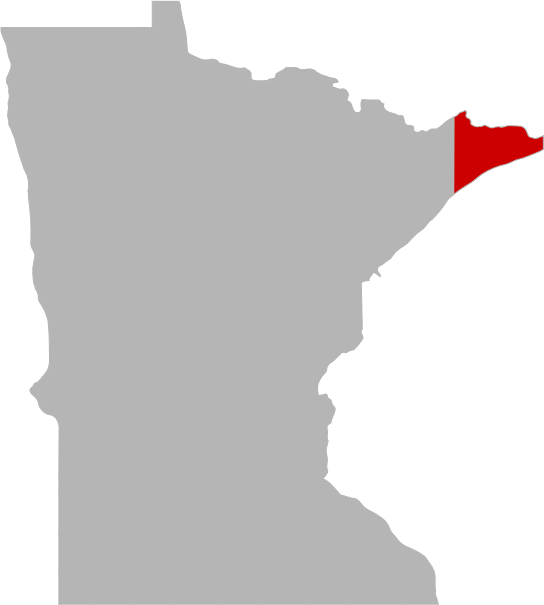
Cook County, Minnesota

Today's Fishing Forecast
Fishing looks to be not very active with peak fishing times around 7-8 AM. SEE MORE
Share your catch!
We want to see what you've caught on Swamper Lake.Frequently Asked Questions About Swamper Lake, MN
- How big is Swamper Lake?
- How deep is Swamper Lake?
- What kind of fish can you catch in Swamper Lake?
- Are there places to stay in the Swamper Lake area?
- Are there places to eat and drink near Swamper Lake?
- What is the average air temp for Swamper Lake?
- Are there any state parks near Swamper Lake?
How big is Swamper Lake?
How deep is Swamper Lake?
What kind of fish can you catch in Swamper Lake?
Other fish species in the lake include Hybrid Sunfish and White Sucker.
Are there places to stay in the Swamper Lake area?
More Lodging Options
Are there places to eat and drink near Swamper Lake?
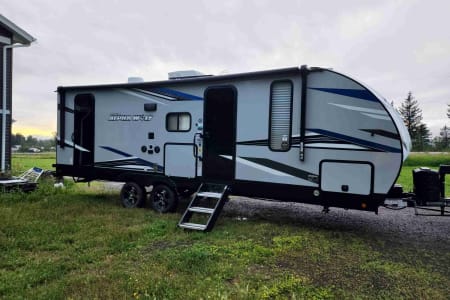
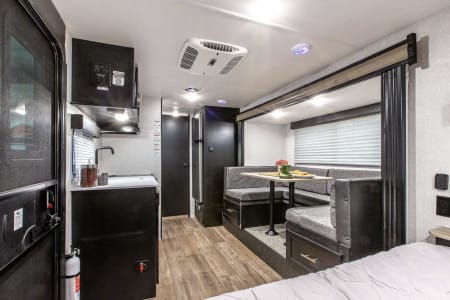
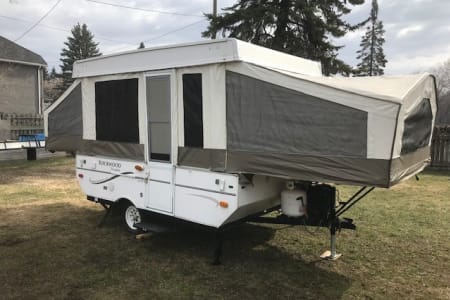
Explore the Swamper Lake area in a RV
Are you looking for an adventurous vacation option that won't break the bank? Look no further than renting an RV! Contrary to popular belief, the process is much simpler than you might imagine. With just a few easy steps, you'll soon be experiencing the ultimate freedom and convenience of exploring the open road in your very own recreational vehicle. And the best part? RV travel can save you up to 60% compared to other types of vacations! With the money you'll save, you'll be able to travel even more and create unforgettable memories along the way. So why wait? Start planning your next adventure today with an RV rental. Learn more about renting a RV.

History & Status of the Fishery
Swamper Lake is a shallow, fairly heavily vegetated lake, that has in the past been considered susceptible to winterkill. For many years it was known primarily for supporting high numbers of small Northern Pike, despite a long history of stocking of other species. Stocking efforts (all considered failures) ceased after 2007. Since that time Walleye and panfish populations in the lake have improved considerably. In the current (2010) lake management plan, Bluegill and Northern Pike are listed as primary and secondary management species. Goals are to maintain a Bluegill population with a minimum trap net catch of 3.0 fish/set, with some fish over 8 inches, and to maintain a Northern Pike population with a minimum gill net catch of 3.0 fish/set, with a minimum mean weight of 1.5 lb/fish for fish taken in gill nets. This was the second of two surveys scheduled in the 2010 plan to determine whether Bluegill were reproducing in the lake, and to monitor the lake for attainment of long range goals for the two main management species. Results of these surveys will be used to revise the current plan over the winter of 2020.
The winter of 2017-18 was harsh and long, and prompted winter dissolved oxygen testing on a few area lakes known to have been prone to low winter oxygen levels in the past. Dissolved oxygen was tested in Swamper Lake on 4 April 2018, and on that date levels seemed adequate, with no risk of winterkill. Results of summer netting confirmed no winterkill had occurred.
In 2018 Bluegill appeared to have been abundant, but most were very small. The Bluegill trap net catch exceeded the goal from the 2010 plan, but did not include any fish over eight inches in length. In fact, no fish over six inches in length were found. It appeared that Bluegill had been reproducing with considerable success, and the catch in quarter-inch-mesh trap nets suggested the lake supported very high numbers of very small, very young fish. Swamper Lake has not been known as a destination for panfishing, so it is very unlikely that high harvest accounted for the lack of larger Bluegill. Growth of young Bluegill had been slow, even for this area, with fish reaching an average length of just 3.5 inches at the end of their third year. Bluegill faced competition for forage from abundant (but small) Hybrid Sunfish, and populations of Pumpkinseed, Rock Bass and Yellow Perch.
Fair numbers of Northern Pike were found in 2018, and a few larger fish were present. The 2018 Northern Pike gill net catch met the goals for the species established in the 2010 plan, both in terms of numbers and size of fish taken. As in the past, most of the Northern Pike sampled were small, but a few fish over 25 inches (up to 33.7 inches) were taken. Northern Pike growth rates seemed to have been close to average for a lake of this type. Six year classes, including fish as old as nine years, contributed to the 2018 catch, with the strongest apparently produced in 2014.
Since 2005 Walleye numbers in Swamper Lake appear to have increased significantly. Walleye were fairly abundant in 2018, and most of the Walleye collected were in the 16-20-inch length range. Eight year classes, all naturally produced, contributed to the 2018 catch, although none appeared to have been exceptionally strong. Walleye growth appeared to have been close to average for the area.
A few of the Rock Bass and Yellow Perch collected in 2018 would have been large enough to have been of interest to anglers. Hybrid Sunfish and Pumpkinseeds taken in 2018 were all small. Small sunfish and Yellow Perch may have been the primary forage available to Walleye and Northern Pike. White Sucker were present, but their numbers were low. Most would have been too large to have been taken by any but the largest Northern Pike in the lake.
Are there any state parks near Swamper Lake?
For more Minnesota State Park information see our State Park Guide.
More Nearby Lakes To Explore
There's more lake's to explore around Swamper Lake...| DISTANCE | ACRES | MAX DEPTH | |
| Unnamed Lake | 0.8 mi | 15 | |
| Locket Lake | 0.8 mi | 17 | 15 ft |
| Trap Lake | 1.3 mi | 64 | |
| Bear Club Lake | 1.5 mi | 25 | 11 ft |
| Glenn Lake | 1.7 mi | 23 | 12 ft |
| East Bearskin Lake | 2.2 mi | 593 | 66 ft |
| Shoko Lake | 2.3 mi | 45 | 25 ft |
| Ruby Lake | 2.5 mi | 15 | 10 ft |
| Rudy Lake | 2.5 mi | 41 | 15 ft |
| Crocodile Lake | 2.7 mi | 295 | 17 ft |
