


Otter Lake
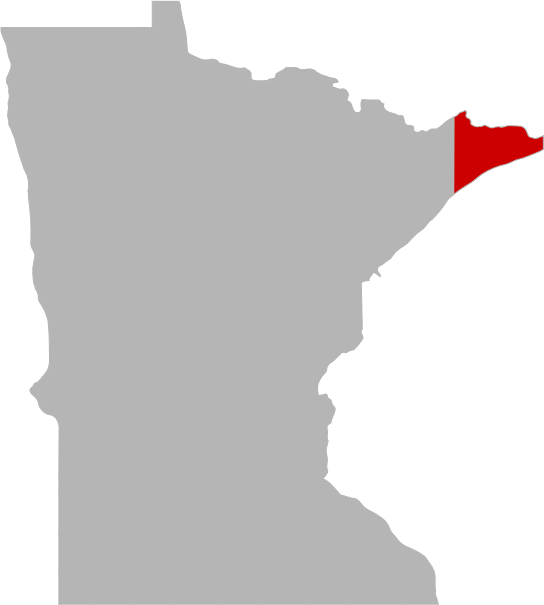
Cook County, Minnesota

Today's Fishing Forecast
Fishing looks to be not very active with peak fishing times around 4-5 AM and 7-8 AM. SEE MORE
Share your catch!
We want to see what you've caught on Otter Lake.Frequently Asked Questions About Otter Lake, MN
- How big is Otter Lake?
- How deep is Otter Lake?
- What kind of fish can you catch in Otter Lake?
- Are there places to stay in the Otter Lake area?
- Are there boat launches on Otter Lake?
- Are there places to eat and drink near Otter Lake?
- What is the average air temp for Otter Lake?
- Are there any state parks near Otter Lake?
How big is Otter Lake?
How deep is Otter Lake?
What kind of fish can you catch in Otter Lake?
Other fish species in the lake include White Sucker.
Are there places to stay in the Otter Lake area?
More Lodging Options
Are there boat launches on Otter Lake?
Are there places to eat and drink near Otter Lake?
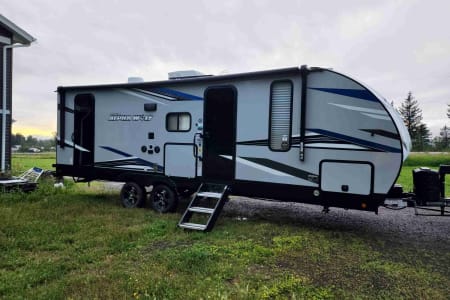
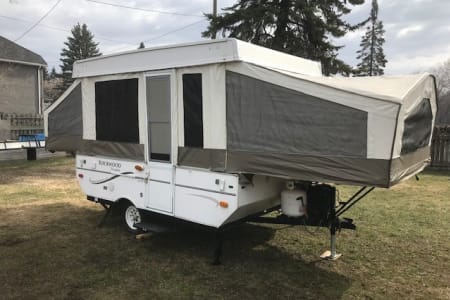
Explore the Otter Lake area in a RV
Are you looking for an adventurous vacation option that won't break the bank? Look no further than renting an RV! Contrary to popular belief, the process is much simpler than you might imagine. With just a few easy steps, you'll soon be experiencing the ultimate freedom and convenience of exploring the open road in your very own recreational vehicle. And the best part? RV travel can save you up to 60% compared to other types of vacations! With the money you'll save, you'll be able to travel even more and create unforgettable memories along the way. So why wait? Start planning your next adventure today with an RV rental. Learn more about renting a RV.


History & Status of the Fishery
Otter Lake is a small, shallow, undeveloped lake located approximately ten miles north of the community of Hovland off the Arrowhead Trail. For many years the lake was managed for Largemouth Bass and Black Crappie. A partial winterkill in the late 1970s eliminated the Largemouth Bass population. That was followed by a surge in Yellow Perch abundance and a gradual decline in the Black Crappie population. Northern Pike were introduced in the 1980s with the intent of reducing Yellow Perch abundance to a level that might allow Black Crappie abundance to rebound. Although Yellow Perch abundance declined after Northern Pike became established, the Black Crappie population did not recover despite additional stocking efforts in 1999 and 2002.
The 2008 lake management plan for Otter Lake called for a change in management species, and introductory Walleye fry stocking was done annually, 2008-2011, then reduced to two consecutive years of every four starting in 2014. The goal was to establish a Walleye population with a minimum gill net catch of 5.0 fish/set. This survey was the last of three scheduled in the 2008 lake management plan to determine whether Walleye stocking had been successful, and to monitor the lake for Walleye natural reproduction.
Standard survey results from 2014 and 2018 indicated that Walleye stocking was initially successful in Otter Lake. In both surveys, Walleye gill net and standard trap net catch rates were considered average or better for this type of lake. Fry stocked year classes were represented in each survey, although a substantial proportion of the fish sampled in 2018 were aged to natural (unstocked) year classes. Results from the 2022 survey were similar to those observed in 2018. The Walleye gill net catch surpassed the catch goal set for the population for the second consecutive survey. The number of Walleye sampled in standard trap nets was above average compared to catch rates from other lakes of this type but similar to prior survey results from Otter Lake. A majority of the Walleye sampled in this survey ranged from 14-18 inches, while the largest walleye measured just over 20 inches. Natural reproduction accounted for over 60% of the Walleyes captured in the survey, while recent year classes supplemented with fry stocking (2018 and 2019) did not appear particularly abundant.
Results from this survey offer additional confirmation that Walleye stocking in Otter Lake was successful at producing a population that could meet the catch goal set for the lake. The increasing contributions of naturally produced Walleye also indicates that fry stocking may no longer be necessary to maintain a population capable of meeting this goal. The stocking program and objectives for Otter Lake will be reviewed further in winter 2024 when the current lake management plan is scheduled to be revised.
Northern Pike gill net catches have increased in each survey since 2014. The 2022 Northern Pike catch was once again above the normal range for this type of lake. The quality of the population remained low, with most of the fish taken measuring 22 inches or less.
Very few Yellow Perch were sampled in gill nets in 2022, and none were collected in 0.25-inch-mesh trap nets. No other forage fish have been sampled to date in Otter Lake. Low Yellow Perch abundance may increase Walleye and Northern Pike dependence on the invertebrate forage base and limit their ability to attain larger sizes.
Are there any state parks near Otter Lake?
For more Minnesota State Park information see our State Park Guide.
More Nearby Lakes To Explore
There's more lake's to explore around Otter Lake...| DISTANCE | ACRES | MAX DEPTH | |
| Unnamed Lake | 3.3 mi | 10 | |
| Loft Lake | 3.3 mi | 14 | 48 ft |
| Powers Lake | 3.6 mi | 30 | |
| Swamp River Reservoir | 3.6 mi | 165 | 10 ft |
| Chester Lake | 3.7 mi | 52 | 35 ft |
| South Fowl Lake | 4.2 mi | 1,586 | 10 ft |
| Royal Lake | 4.3 mi | 22 | |
| Prout Lake | 4.5 mi | 30 | 5 ft |
| Highlander Lake | 4.5 mi | 30 | |
| Devilfish Lake | 4.6 mi | 405 | 40 ft |
