


Loon Lake
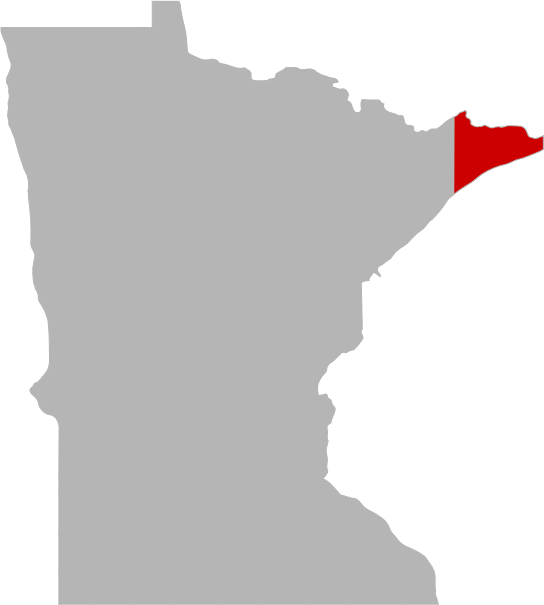
Cook County, Minnesota

Today's Fishing Forecast
Fishing looks to be moderately active with peak fishing times around 3-4 PM. SEE MORE
Share your catch!
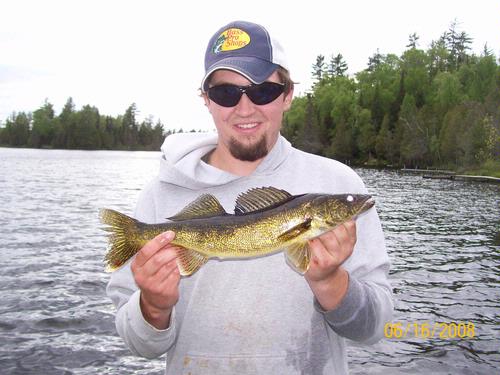
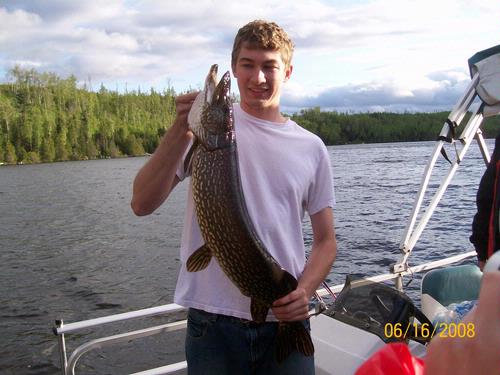
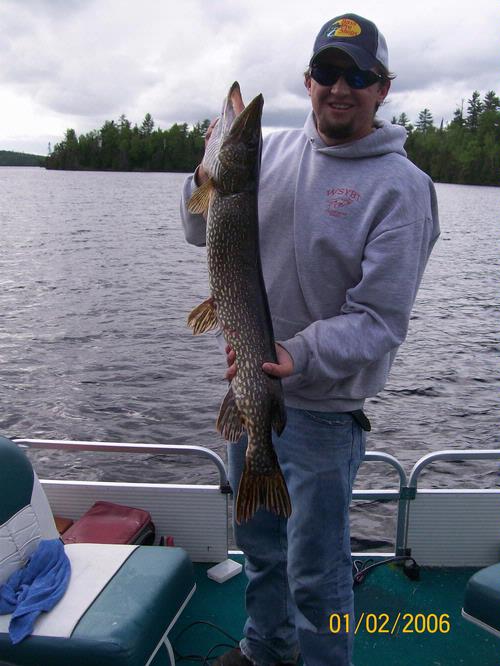
We want to see what you've caught on Loon Lake.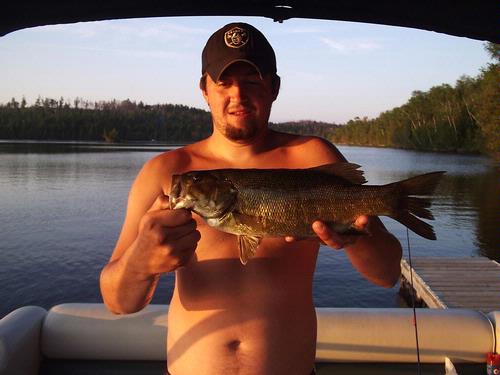
Frequently Asked Questions About Loon Lake, MN
- How big is Loon Lake?
- How deep is Loon Lake?
- What kind of fish can you catch in Loon Lake?
- Are there places to stay in the Loon Lake area?
- Are there boat launches on Loon Lake?
- Are there places to eat and drink near Loon Lake?
- What is the average air temp for Loon Lake?
How big is Loon Lake?
How deep is Loon Lake?
What kind of fish can you catch in Loon Lake?
Other fish species in the lake include Cisco (Tullibee), Green Sunfish, Hybrid Sunfish, Iowa Darter, Slimy Sculpin, Splake and White Sucker.
Are there places to stay in the Loon Lake area?
More Lodging Options
Are there boat launches on Loon Lake?
Are there places to eat and drink near Loon Lake?
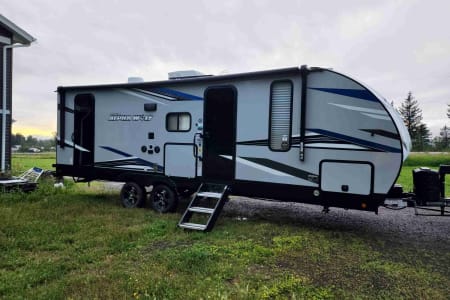
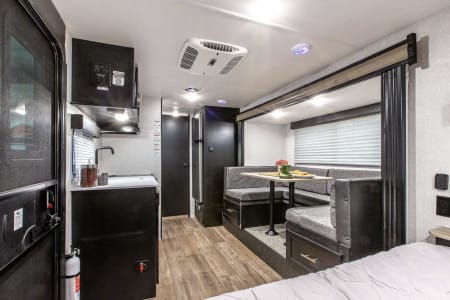
Explore the Loon Lake area in a RV
Are you looking for an adventurous vacation option that won't break the bank? Look no further than renting an RV! Contrary to popular belief, the process is much simpler than you might imagine. With just a few easy steps, you'll soon be experiencing the ultimate freedom and convenience of exploring the open road in your very own recreational vehicle. And the best part? RV travel can save you up to 60% compared to other types of vacations! With the money you'll save, you'll be able to travel even more and create unforgettable memories along the way. So why wait? Start planning your next adventure today with an RV rental. Learn more about renting a RV.


History & Status of the Fishery
Loon Lake is part of the headwaters for the Rainy River system, discharging to that system via Crab and Gunflint Lakes. It is a classic deep Canadian Shield lake, managed primarily for Lake Trout and Smallmouth Bass. This was the second of two standard surveys scheduled in the 2013 lake management plan to monitor Lake Trout and Smallmouth Bass, and to complete the evaluation of the Northern Pike special regulation on this lake. The first survey was done as scheduled in 2015. Based on those surveys, the management plan for Loon Lake will be revised in March 2021. Comments on the management of the lake will be welcome as we work on that plan.
Fair numbers of Lake Trout were present in 2019, including some fish up to 30 inches in length. The combined Lake Trout catch in deep and shallow gill net sets (1.67 fish/set) exceeded the long range goal from the 2013 plan (1.0 fish/set), and was similar to catches seen in this lake since 1970. All of the Lake Trout collected in 2019 had been produced naturally. Seven year classes contributed to the catch, including fish as old as 14 years. None of the year classes sampled appeared to have been exceptionally strong, but reproduction had apparently been occurring on a fairly consistent basis. Growth of young Lake Trout had been slow; across all age classes fish reached a mean length of just 8.4 inches at the end of their fourth year, compared to an area average of 12.1 inches. Slow growth of young Lake Trout was likely due to intense competition from Cisco for invertebrate forage. Larger Lake Trout would have benefited from the excellent Cisco forage base in this lake.
As has often been the case, sampling in 2019 yielded mixed messages concerning Smallmouth Bass abundance. The catch in trap nets was high, while the gill net catch was low. It was clear, however, that bass in this lake tended to be small, with just a few exceeding 11 inches in length. In 2019 Smallmouth Bass appeared to have been fairly abundant in nearshore areas; the trap net catch exceeded the normal range for this type of lake, and was the second highest ever seen in Loon Lake. Fewer fish were seen off shore, and the gill net catch was quite low for a lake of this class. Most of the Smallmouth Bass taken in 2019 were under 10 inches in length, but that was not unusual for this lake. Smallmouth Bass growth had been slow; fish reached a mean length of just 5.4 inches at the end of their third year, compared to an area average of 7.0 inches. It took about six years for most fish to reach 10 inches in length.
As has usually been the case, Northern Pike in Loon Lake were low in numbers but large in size in 2019. The combined Northern Pike catch in deep and shallow gill net sets (0.42 fish/set) was within the normal range for the lake class (0.27-1.02 fish/set), and was similar to most past catches in this lake. Although based on only five fish, the mean weight for fish taken in gill nets was above the normal range for the lake class. Northern Pike as old as seven years were collected and growth of young fish had been somewhat faster than average for the area.
The objective of the 2003 Northern Pike special regulation, to prevent a decline in relative size distribution (percent of fish over 24 inches in length) while maintaining historic proportions of 30-inch or larger fish in gill net catches, appeared to have been met by 2019. However, improvements in the Northern Pike population in Gunflint Lake (the exprimental control) appeared to have been at least as great, suggesting the the population in Loon Lake might have done well for reasons not related to the regulation. Fishing pressure targeting Northern Pike had been very low on Loon and Gunflint Lakes; the goal of the regulation was to maintain the quality of the fishery against possible future increases in fishing pressure on those lakes. We do not know whether fishing pressure changed in either lake during the regulation period, since no creel survey data are available. Results of post-regulation surveys in Loon Lake suggested the Northern Pike size distribution had remained the same or improved slightly since 2003, and that numbers of fish taken (in surveys) larger than 30 inches did not decline. However, in Gunflint Lake similar results were observed, despite a more liberal season (continuous) and more liberal size and bag limits.
Based on survey results obtained through 2015, in the fall of 2018 we recommended the Northern Pike regulation on Loon Lake be dropped. Public input indicated no interest in retaining the regulation, so on March 1 2020, Northern Pike regulations on Loon Lake reverted to the standard for the Northeast Zone - a bag limit of two fish, with a 30-40-inch protected slot, with one fish over 40 inches allowed in possession.
Walleye numbers in Loon Lake have always been low, and the 2019 gill net catch of just a single fish was not unusual for this lake. Walleye recruitment in this lake has been low and sporadic, despite the presence of excellent spawning habitat in many locations.
Cisco remained abundant in Loon Lake in 2019. The combined catch in deep and shallow gill net sets (8.83 fish/set) was at or above the average for the lake class (7.65 fish/set), and was similar to catches seen in this lake since 1987. Almost all Cisco taken in 2019 were heavily infested with Triaenophorus, a tapeworm that forms large cysts in muscle tissue. While Cisco still provided excellent forage for Lake Trout and Northern Pike, their value for human consumption was very limited.
Loon Lake is one of very few lakes in the area that support significant panfish populations. Bluegill and Rock Bass trap net catches in 2019 were the highest ever seen in this lake; both exceeded normal ranges for the lake class. Most fish of both species were small, but there were enough over six inches in length to have driven some angler interest.
Yellow Perch were never abundant in Loon Lake, but since the early 1980s, when Rock Bass become established, they have all but disappeared. White Sucker gill net catches have also declined over the same period.
More Nearby Lakes To Explore
There's more lake's to explore around Loon Lake...| DISTANCE | ACRES | MAX DEPTH | |
| Gunflint Lake | 1.4 mi | 4,009 | 200 ft |
| Tucker Lake | 1.5 mi | 147 | 42 ft |
| Unnamed Lake | 1.5 mi | 12 | |
| Unnamed Lake | 2.1 mi | 12 | |
| Lonely Lake | 2.1 mi | 10 | |
| East Dawkins Lake | 2.1 mi | 64 | 15 ft |
| Trip Lake | 2.4 mi | 11 | 19 ft |
| Little Iron Lake | 2.4 mi | 115 | 18 ft |
| Mash Lake | 2.7 mi | 12 | |
| Crab Lake | 2.8 mi | 78 | 17 ft |
