


East Pope Lake
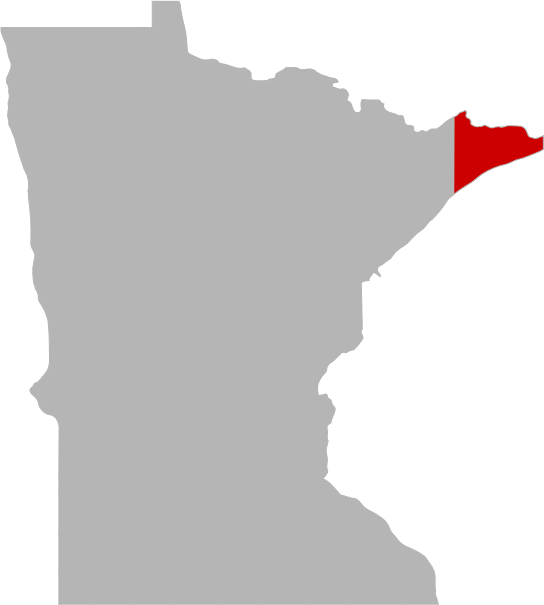
Cook County, Minnesota
Share your catch!
We want to see what you've caught on East Pope Lake.Frequently Asked Questions About East Pope Lake, MN
- How big is East Pope Lake?
- How deep is East Pope Lake?
- What kind of fish can you catch in East Pope Lake?
- Are there places to stay in the East Pope Lake area?
- Are there places to eat and drink near East Pope Lake?
- What is the average air temp for East Pope Lake?
- Are there any state parks near East Pope Lake?
How big is East Pope Lake?
How deep is East Pope Lake?
What kind of fish can you catch in East Pope Lake?
Other fish species in the lake include White Sucker.
Are there places to stay in the East Pope Lake area?
More Lodging Options
Are there places to eat and drink near East Pope Lake?
Explore the East Pope Lake area in a RV
Are you looking for an adventurous vacation option that won't break the bank? Look no further than renting an RV! Contrary to popular belief, the process is much simpler than you might imagine. With just a few easy steps, you'll soon be experiencing the ultimate freedom and convenience of exploring the open road in your very own recreational vehicle. And the best part? RV travel can save you up to 60% compared to other types of vacations! With the money you'll save, you'll be able to travel even more and create unforgettable memories along the way. So why wait? Start planning your next adventure today with an RV rental. Learn more about renting a RV.

History & Status of the Fishery
East Pope is a small, shallow lake that has been managed for Walleye since 1978. Although Walleye were regularly stocked, their numbers never really improved, with a gill net catch that peaked at just 1.67 fish/set in 2000. In the latest (2015) lake management plan, stocking of the lake was discontinued, and Northern Pike were made the primary management species, with Walleye a secondary species. This was the first of two standard surveys scheduled by the 2015 plan to determine the effects of discontinued stocking on the Walleye population and determine whether the lake would develop a significant Bluegill population capable of supporting a limited fishery.
The Walleye gill net catch in this survey was low, falling below the normal range for a lake of this class, and below the goal set for the population in the 2015 plan (a minimum of 1.00 fish/set). However, the catch was similar to catches seen in this lake in the last two surveys (2013 and 2008), when the lake was still being stocked. All four of the Walleye taken in gill nets and trap nets had apparently been naturally produced in years when no stocking was done (2012 and 2013). Part of the Walleye goal for this lake was maintaining a self-sustained population, and it appeared that goal might be attainable, even if numbers were low.
Bluegill were first found in East Pope Lake in the 2013 survey. Results of this survey suggest they have been able to reproduce successfully, and produce some fish large enough to be of interest to anglers. The catch in 0.75-in-mesh trap nets in 2018 was considerably higher than the catch seen in 2013, and was well above the normal range for a lake of this type. Most of the fish taken were small (and young), but the capture of one 10.6-inch fish indicated fish of exceptional size could be produced in the lake. Growth rates for young Bluegill had been about average for the area; fish reached a mean length of 4.4 inches at the end of their third year, compared to an area mean of 4.8 inches.
The Northern Pike gill net catch in 2018 was low for a lake of this type, but was similar to many catches seen in the past in this lake. The catch fell a little short of the goal from the 2015 plan (a minimum of 2.3 fish/set), but the size goal in that plan (a minimum mean weight of 1.4 lb/fish) was met. The catch included fish up to 25.2 inches in length. Growth had been somewhat slower than average; five-year-old fish reached a mean length of 23.4 inches at the end of their fifth year, compared to a mean of 25.3 inches for similar lakes in this area.
Smallmouth Bass have been taken in this lake in the past, and were likely still present in 2018, even though none were sampled. Their numbers were likely low.
Forage for Northern Pike and Walleye appeared to have been limited. No Yellow Perch were taken in standard gill or trap net sets, although a few small perch were captured in quarter-inch-mesh trap nets. Other fish species present that might have provided some forage included Green Sunfish and Blacknose Shiner.
Are there any state parks near East Pope Lake?
For more Minnesota State Park information see our State Park Guide.
More Nearby Lakes To Explore
There's more lake's to explore around East Pope Lake...| DISTANCE | ACRES | MAX DEPTH | |
| Portage Lake | 0.6 mi | 128 | 55 ft |
| Mayhew Lake | 0.8 mi | 221 | 84 ft |
| Iron Lake | 1.0 mi | 122 | 19 ft |
| West Pope Lake | 1.0 mi | 84 | 14 ft |
| Topper Lake | 1.3 mi | 47 | 28 ft |
| One Island Lake | 1.3 mi | 24 | 25 ft |
| Little Rush Lake | 1.6 mi | 15 | |
| Skipper Lake | 1.7 mi | 107 | 30 ft |
| Whisker Lake | 1.8 mi | 18 | 5 ft |
| Lum Lake | 1.9 mi | 29 | 17 ft |


