


Sand Lake
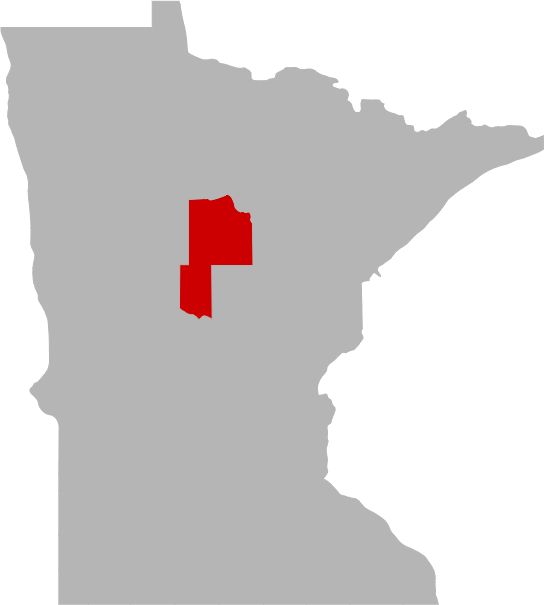
Cass County, Minnesota

Today's Fishing Forecast
Fishing looks to be fairly active with peak fishing times around 7-8 AM and 3-5 PM. SEE MORE

Visit Leech Lake
Leech Lake is known for offering the best Walleye fishing and Muskie fishing in the Midwest. With 195 miles of shoreline and 112,835 acres to explore, both professional fishermen and family fishing trips alike are sure to enjoy a successful day of fishing on Leech Lake.
Share your catch!
We want to see what you've caught on Sand Lake.Frequently Asked Questions About Sand Lake, MN
- How big is Sand Lake?
- How deep is Sand Lake?
- What kind of fish can you catch in Sand Lake?
- What are the closest cities to Sand Lake?
- Are there places to stay in the Sand Lake area?
- Are there places to eat and drink near Sand Lake?
- What is the average air temp for Sand Lake?
- Are there any state parks near Sand Lake?
How big is Sand Lake?
How deep is Sand Lake?
What kind of fish can you catch in Sand Lake?
Other fish species in the lake include Blackchin Shiner, Bluntnose Minnow, Central Mudminnow, Golden Shiner, Hybrid Sunfish, Iowa Darter, Johnny Darter and White Sucker.
What are the closest cities to Sand Lake?
Are there places to stay in the Sand Lake area?
More Lodging Options
Are there places to eat and drink near Sand Lake?
Explore the Sand Lake area in a RV
Are you looking for an adventurous vacation option that won't break the bank? Look no further than renting an RV! Contrary to popular belief, the process is much simpler than you might imagine. With just a few easy steps, you'll soon be experiencing the ultimate freedom and convenience of exploring the open road in your very own recreational vehicle. And the best part? RV travel can save you up to 60% compared to other types of vacations! With the money you'll save, you'll be able to travel even more and create unforgettable memories along the way. So why wait? Start planning your next adventure today with an RV rental. Learn more about renting a RV.
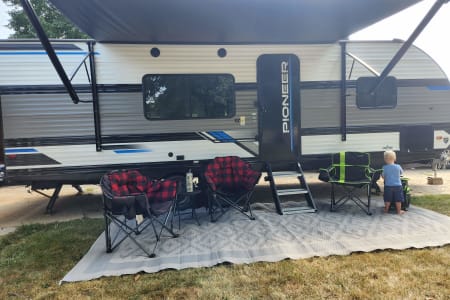


2025 Forest River Cherokee Grey Wolf - Family Friendly & Adventure Ready!
Bemidji, MN
History & Status of the Fishery
Sand (Lower Sand) Lake is a 149-acre lake with 2 miles of shoreline and a maximum depth of 54 feet located southeast of Hackensack, MN. A public access is located on the Sand (Lower Sand) Lake is a 149-acre lake with 2 miles of shoreline and a maximum depth of 54 feet located southeast of Hackensack, MN. A public access is located on the northeast shore of adjoining Upper Sand Lake and access is through a navigable channel to Lower Sand Lake. The DNR has classified Minnesota's lakes into 43 different classes based on physical, chemical and other characteristics. Lower Sand Lake is in lake class 20; lakes in the class are generally small and deep. Other area lakes in this class include IXL, Perch, and Sullivan. The lake is primarily managed for Black Crappie, Bluegill, Largemouth Bass, and Northern Pike and secondarily for Walleye and Yellow Perch.
Lower Sand Lake is a great multi-species lake with the potential to produce large fish. Black Crappie were caught in good numbers compared to similar lakes with fish from 5 to 13 inches sampled. Further sampling is needed to establish management goals for Black Crappie. Bluegill catch rates were below the management goal but exceeded size goals with fish measuring from 3 to 9 inches. Largemouth Bass were caught in good numbers compared to similar lakes with fish from 7 to 16 inches sampled. Targeted sampling using electrofishing is needed to establish management goals for Largemouth Bass. Northern Pike abundance was below the management goal and lengths ranged from 15 to 34 inches. Northern Pike size goals were partially met in 2022. Walleye abundance was below the management goal and lengths ranged from 19 to 22 inches long. Yellow Perch were sampled in low numbers not meeting the management goal with fish up to 7 inches present.
Other fish species that anglers can expect to encounter include, Brown Bullhead, Hybrid Sunfish, Pumpkinseed, Rock Bass and Yellow Bullhead.
People can have significant impacts on lakes and the fish populations they support. Harvest, lakeshore development, removal of shoreline vegetation, and introductions of invasive species can all adversely affect fish populations. Currently, no aquatic invasive species (AIS) have been identified in Lower Sand Lake. AIS are moved from infested to non-infested waters by anglers, boaters, and lake shore owners and can adversely impact lakes and fish populations. To avoid spreading AIS, lake users are required to remove all aquatic plants or animals from their watercraft and drain all water from their boat before leaving the access. If you suspect an infestation of an invasive species in this lake, save a specimen and report it to a local natural resource office. Additional information on all of these topics can be found on the DNR website (www.dnr.state.mn.us) or by contacting the Walker Area Fisheries office.
northeast shore of adjoining Upper Sand Lake and access is through a navigable channel to Lower Sand Lake. The DNR has classified Minnesota's lakes into 43 different classes based on physical, chemical and other characteristics. Lower Sand Lake is in lake class 20; lakes in the class are generally small and deep. Other area lakes in this class include IXL, Perch, and Sullivan. The lake is primarily managed for Black Crappie, Bluegill, Largemouth Bass, and Northern Pike and secondarily for Walleye and Yellow Perch.
Lower Sand Lake is a great multi-species lake with the potential to produce large fish. Black Crappie were caught in good numbers compared to similar lakes with fish from 5 to 13 inches sampled. Further sampling is needed to establish management goals for Black Crappie. Bluegill catch rates were below the management goal but exceeded size goals with fish measuring from 3 to 9 inches. Largemouth Bass were caught in good numbers compared to similar lakes with fish from 7 to 16 inches sampled. Targeted sampling using electrofishing is needed to establish management goals for Largemouth Bass. Northern Pike abundance was below the management goal and lengths ranged from 15 to 34 inches. Northern Pike size goals were partially met in 2022. Walleye abundance was below the management goal and lengths ranged from 19 to 22 inches long. Yellow Perch were sampled in low numbers not meeting the management goal with fish up to 7 inches present.
Other fish species that anglers can expect to encounter include, Brown Bullhead, Hybrid Sunfish, Pumpkinseed, Rock Bass and Yellow Bullhead.
People can have significant impacts on lakes and the fish populations they support. Harvest, lakeshore development, removal of shoreline vegetation, and introductions of invasive species can all adversely affect fish populations. Currently, no aquatic invasive species (AIS) have been identified in Lower Sand Lake. AIS are moved from infested to non-infested waters by anglers, boaters, and lake shore owners and can adversely impact lakes and fish populations. To avoid spreading AIS, lake users are required to remove all aquatic plants or animals from their watercraft and drain all water from their boat before leaving the access. If you suspect an infestation of an invasive species in this lake, save a specimen and report it to a local natural resource office. Additional information on all of these topics can be found on the DNR website (www.dnr.state.mn.us) or by contacting the Walker Area Fisheries office.
What is the average air temp for Sand Lake?
Are there any state parks near Sand Lake?
For more Minnesota State Park information see our State Park Guide.
More Nearby Lakes To Explore
There's more lake's to explore around Sand Lake...| DISTANCE | ACRES | MAX DEPTH | |
| Sand Lake | 0.5 mi | 41 | 8 ft |
| Island Lake | 0.9 mi | 184 | 40 ft |
| Little Deep Lake | 1.0 mi | 35 | |
| Long Lake | 1.2 mi | 246 | 37 ft |
| Widow Lake | 1.3 mi | 198 | 46 ft |
| Blackwater Lake | 1.7 mi | 767 | 67 ft |
| IXL Lake | 1.9 mi | 95 | 40 ft |
| Ponto Lake | 2.0 mi | 388 | 60 ft |
| Unnamed Lake | 2.1 mi | 10 | |
| Pancake Lake | 2.1 mi | 20 |
