Night Bite Walleyes
When the sun dips below the horizon, the real walleye action begins. Fall nights can deliver some of the biggest, most exciting catches of the year.
by Bob Jensen
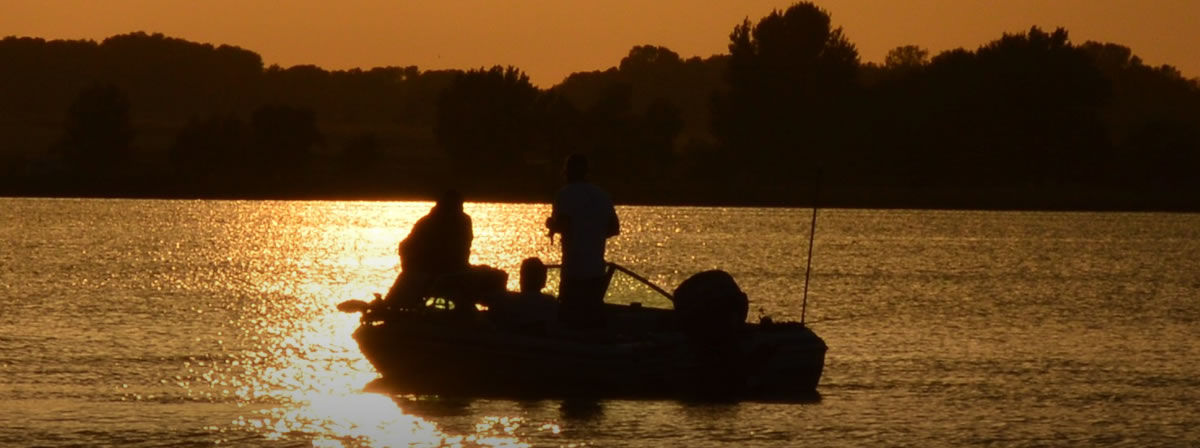
It's during the fall season when I often remember something a fishing buddy once told me. Years ago, I mentioned that I was heading out for walleyes that night and asked if he wanted to come along. He laughed and said, "Fishing at night is for people who can't catch 'em during the day." I went alone that night—and caught a bunch of nice walleyes.
From northern Minnesota to the Upper Peninsula of Michigan, down through northern Iowa and along the Missouri River in South Dakota, my friends and I have caught plenty of walleyes—and some real trophies—after the sun goes down. If you'd like to get in on the action, here are a few things I've learned about the fall night bite.
Why Fall Nights Produce Big Fish
The best trophy waters are typically large, deep, and clear. Lakes that hold ciscoes and whitefish produce walleyes that grow bigger than those feeding on perch or shiners. These baitfish are the key.
In fall, ciscoes and whitefish move shallow at night to spawn. At the same time, walleyes are feeding heavily to pack on weight before winter. It's a perfect setup—the baitfish are in vulnerable shallow water, and hungry walleyes know it.
Where to Start
Look for shallow sand or gravel areas close to deep water. Shorelines or offshore bars that provide easy access to both will often hold fish.
Even in lakes without fall-spawning baitfish, a night bite can happen. Focus on areas with current—narrows, inlets, and necked-down stretches between islands. Scout these spots during the day to confirm baitfish are present. Walleyes will move in after dark.
Also, make mental notes of any rocks, logs, or obstacles you might trip over when visibility drops.
Boat and Gear Setup
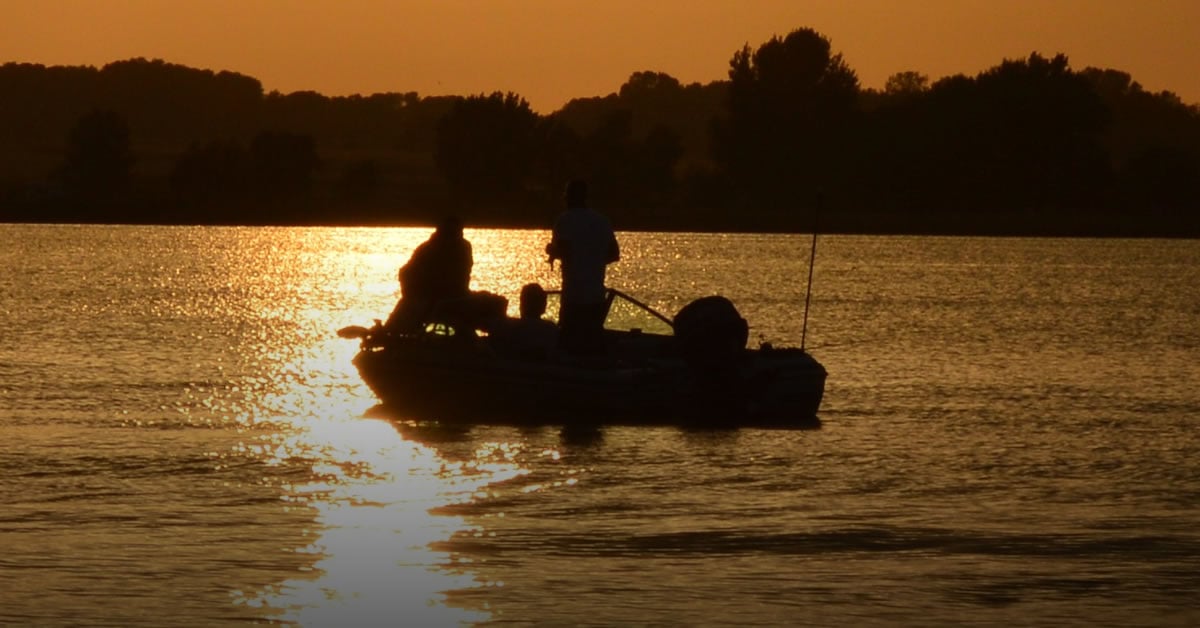
If you're fishing from a boat, keep things simple. Clutter is your enemy in the dark. Have your net, hook-outs, line cutters, and lures within easy reach. When the bite is on, you don't want to be fumbling for gear.
Quietness is key—especially when wading. Shallow-water walleyes are wary, and even a splash or heavy footstep can send them off.
Timing and Patterns
Once you find fish, note the exact time of the bite. Walleyes are creatures of habit. If they moved through a spot at 9:15 one night, there's a good chance they'll do the same the next night. Be ready early.
Lure Choices
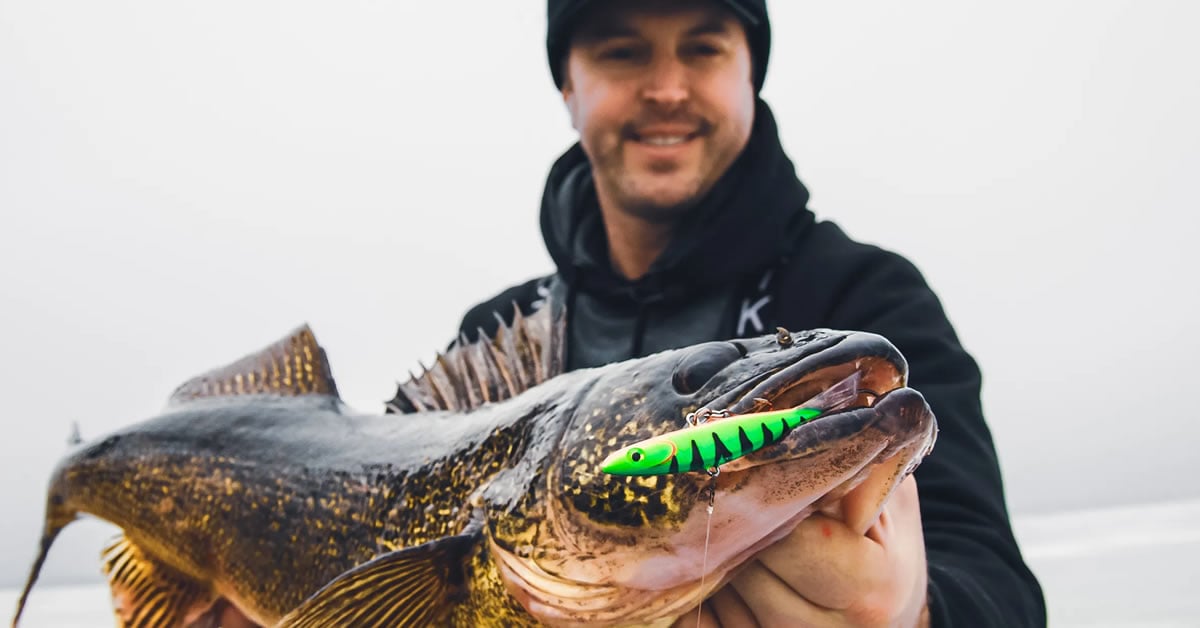
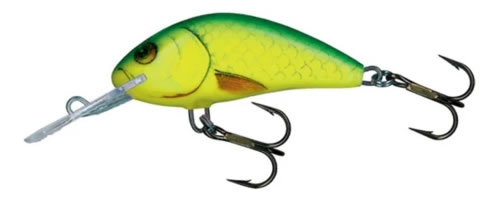
Lure selection doesn't have to be complicated. For fish in less than seven feet of water, #5 Hornets or Rage Swimmers work well. When walleyes slide deeper, Salmo's Perch and Rattlin' Sting baits are productive whether cast or trolled.
Final Thoughts
I don't fish the night bite as often as I used to. Those rocks I once waded across so easily seem slicker now, and it's tougher to find someone willing to chase walleyes in the dark. Still, I'll never agree with my old friend's comment that "Fishing at night is for people who can't catch 'em during the day."
The truth is, fall nights can bring some of the most exciting and rewarding walleye fishing of the year—and that makes staying up late more than worth it.

Bob Jensen's 45 year career in the fishing and outdoor industry includes producing and hosting award-winning television and radio shows, co-authoring 5 best-selling books, writing a weekly syndicated outdoor column and numerous feature articles, and presenting fishing seminars at various outdoor events.