How Cold Is Too Cold? Fishing Through Subzero Midwest Winter
When the thermometer drops below zero, ice fishing becomes a game of preparation, patience, and knowing when the bite is worth the cold.
by Lake-Link Staff
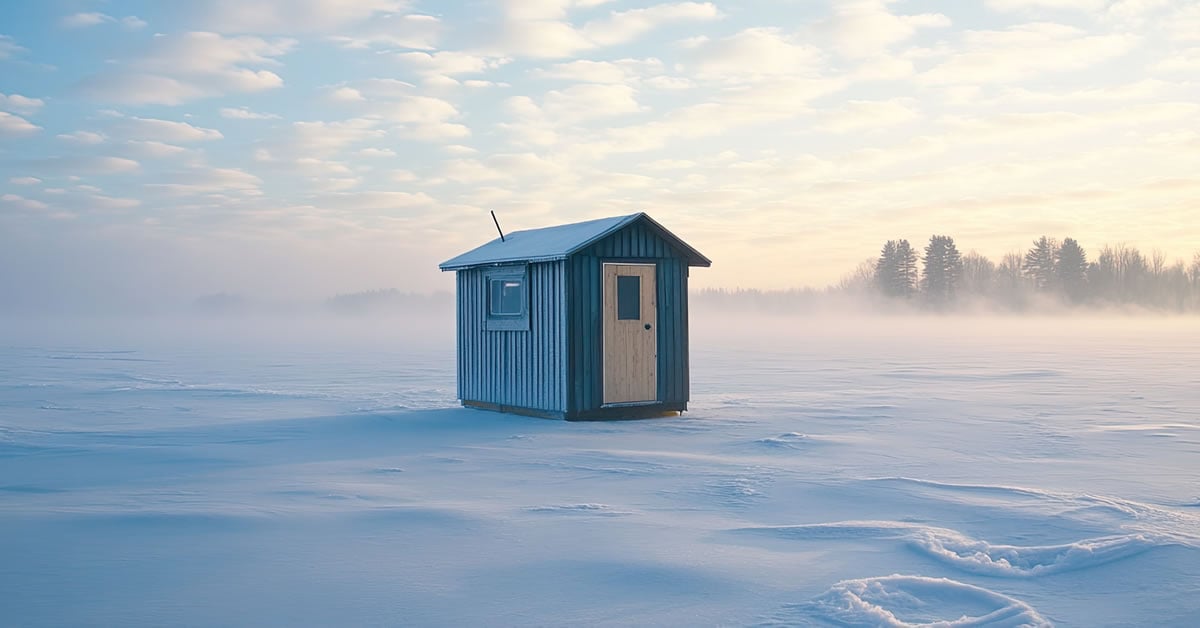
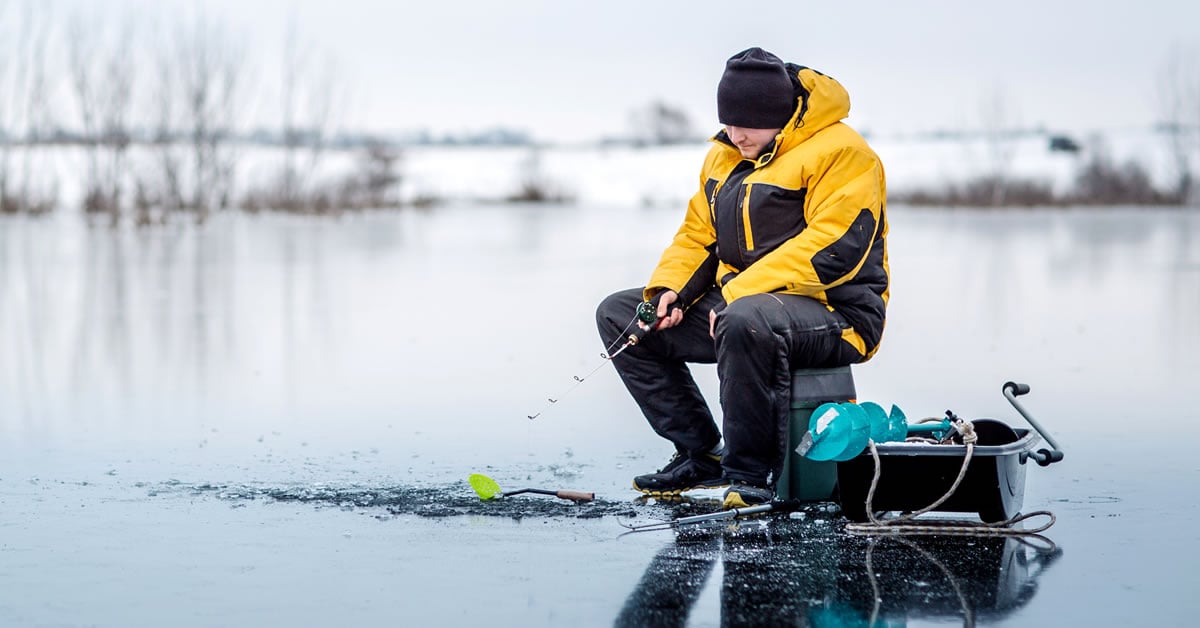
If you"ve ice fished long enough in the Midwest, you"ve probably stood on a frozen lake at daylight wondering if you"re tough—or just stubborn. When the truck thermometer reads -10°F, the wind is howling across bare ice, and your auger sounds like it hates life, the question becomes real:
How cold is too cold to go ice fishing?
The honest answer? Sometimes the fish don't care nearly as much as we do. But there is a line— between grinding out bites and pushing conditions that just aren't worth it.
Here's how experienced Midwest anglers approach fishing through subzero weather, when it's still worth going, and when staying home is the smarter call.
The Reality of Subzero Ice Fishing
Subzero mornings aren't rare in places like Wisconsin, Minnesota, the Dakotas, or northern Michigan. Air temps of -5°F to -15°F show up almost every year, and once you add wind, exposed skin can be at risk in minutes.
- Ice stays solid, but comfort plummets
- Fish metabolism slows
- Equipment failures increase
- Small mistakes get magnified fast
Fishing can still be good—but preparation matters more than ever.
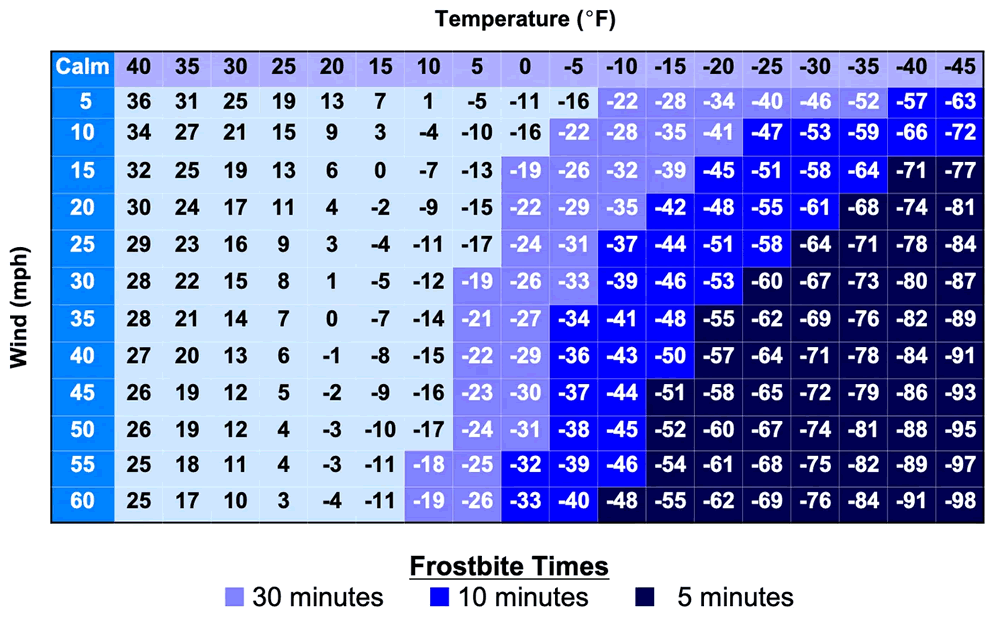
Wind Chill Is the Real Enemy
Cold air alone is manageable. Wind chill is what ends trips early.
A calm -10°F morning can actually feel tolerable inside a shelter. Add a 15–20 mph wind, and it turns into a fight just to keep holes open and hands functional.
Managing Wind Chill
- Portable shelters: Insulated shelters dramatically cut wind exposure. View ice shelters at Scheels
- Reliable heaters: Portable propane heaters like the Mr. Heater Buddy series provide steady warmth when used with proper ventilation.
- Face and hand protection: Windproof gloves and balaclavas make a major difference. Fish Monkey cold-weather gloves
If you're fighting wind all day, you"re not fishing effectively—you're surviving.
Clothing That Actually Helps in Extreme Cold
When temperatures drop below zero, insulation and wind blocking matter more than brand names. Here are some proven options at different price points:
- Striker Ice Predator Bib – Heavy-duty protection for exposed ice.
- Striker Trekker Bib – A solid balance of warmth and mobility.
- RedHead Insulated Bibs – Budget-friendly insulation that gets the job done.
- DSG Women's Avid Ice Suit Bibs – Purpose-built insulation for women ice anglers.
Heated Gear: When Subzero Is the Norm
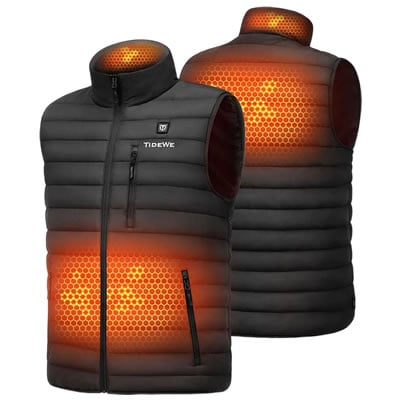
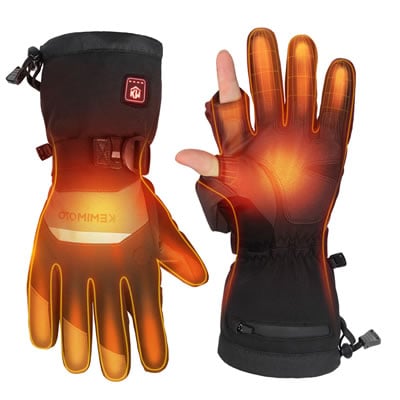
Battery-powered heated gear can extend a day dramatically when circulation starts to drop.
- Heated gloves for dexterity and warmth
- Heated socks to keep toes functional all day
- Heated vests for core warmth during extended sits
Keeping Holes from Freezing Shut
At -10°F, an open hole can skim over in minutes—and freeze solid if ignored.
- Insulated hole covers: Ice fishing hole covers slow freeze-over significantly.
- Efficient skimmers: Metal scoops clear ice faster than plastic in extreme cold. Find hole skimmers.
- Drill smarter: Fewer, better-placed holes mean less maintenance.
Do Fish Still Bite in Extreme Cold?
Fish don't feel wind chill. They feel water temperature, oxygen levels, and pressure changes. In mid-winter, bites still happen—but windows are shorter.
When the Bite Is Still On
- Stable weather patterns
- Low-light periods (early morning and sunset)
- Deep basin crappies and bluegills
- Walleyes during short evening feeding windows
When It"s Usually Not Worth It
- Post-front bluebird conditions
- Severe cold combined with rising pressure
- No fish activity on electronics for extended periods
In extreme cold, you're often fishing for moments—not hours.
Safety Comes First
- Fish with a partner
- Tell someone your plan
- Watch for pressure cracks hidden by snow
- Ventilate shelters when using heaters
- Carry ice picks and a spud bar
So… How Cold Is Too Cold?
For most Midwest anglers, the cutoff isn't a temperature—it's a combination of wind, preparedness, and bite potential.
If you're sheltered, prepared, and targeting known feeding windows, -10°F is fishable. If you're exposed and guessing, even +5°F can feel miserable.
Sometimes the smartest move is staying home, warming up, and planning the next trip. The fish will still be there tomorrow.