


Lake Texoma
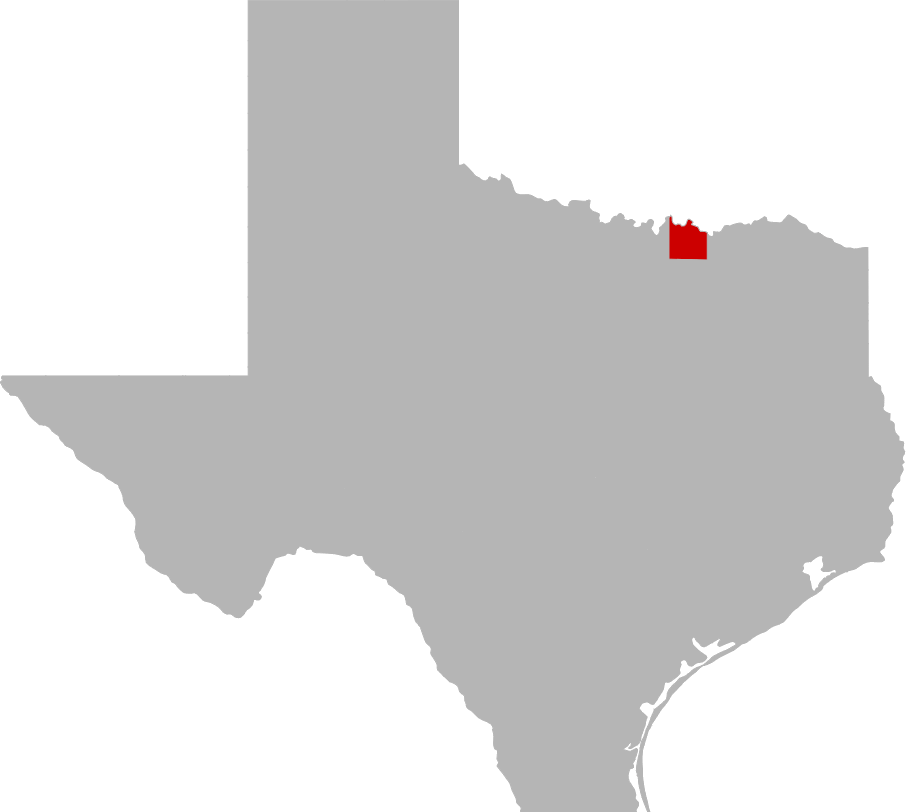
Grayson County, Texas

Today's Fishing Forecast
Fishing looks to be moderately active with peak fishing times around 8-9 AM and 3-5 PM. SEE MORE
While Texoma has little aquatic vegetation, it does offer cover in structures such as rocks/boulders, standing timber, submerged stump beds, channels, rocky bluffs, sandy flats, and rip-rap along Denison Dam and elsewhere. Of the 580 miles of shoreline, there are approximately 9 miles of rip-rap, and 50 miles of standing timber. The remainder is cut banks, sandy beaches, rocky shoreline, and bluffs. A shoreline development ratio of 13.88 indicates an irregular and branched shoreline, which also increases habitat for fish.
Channel catfish are taken near the mouths of creeks after a rain, especially in spring and fall. In late spring and early summer, they are found around rocky shores and areas of rip-rap. Best baits are shrimp, blood bait, cut bait, dough bait, and shad gizzards. In summer, try drift-fishing shrimp across flats. Sunfish and large minnows also pay off here. Blue catfish are caught on many of the same baits; however, these fish migrate downstream or into the main pool area in winter and upstream in the spring. Try juglining with live gizzard shad for bait. A rod and reel baited with live shad on windless winter days works well, too. Flathead catfish are infrequently caught by rod and reel anglers, but most often by trotlining with live sunfish for bait.
Crappie fishing is best in fall and winter, when fish tend to school in large numbers and concentrate around boat houses, submerged trees, creek channels, and brush piles. While minnows are the bait of choice, crappie are caught on a variety of jigs. The spring spawning season, when they move in shallow, is also an excellent time to fill your creel.
White bass are vulnerable to angling when they migrate upstream on the Red and Washita Rivers or the many tributary streams around Lake Texoma. Two to three weeks prior to the migration, they concentrate around the mouths of the tributary streams and become easy prey. At other times of the year they can be found surfacing around the lake and feeding on threadfin shad. Effective baits include small surface baits in silver, white, yellow or chartreuse; silver spoons; slabs; and minnows. Striped bass migrate up both major river arms in February, and can usually be located in or near the river channel in the vicinity of the Willis or Roosevelt Bridges. They may take surface lures, but most often they are caught on heavy jigs, slabs, plastic shad, and live gizzard shad. After the spring spawning run, stripers can be caught with shad over flats near the river channel in the main part of the lake. Trolling with deep running lures can also be productive. Stripers surface frequently in summer, fall, and winter, attracting diving sea gulls, who also like to feed on threadfin shad. Surface baits can produce some mighty tackle busting strikes, and so can plastic shad retrieved rapidly just under the water's surface.
Largemouth, spotted, and smallmouth bass can be caught pretty much year round, but they are caught closer to the shoreline and around structure. While largemouth and spotted bass are found lakewide, smallmouths are mostly limited to the bluffs around Eisenhower State Park, Denison Dam and up the Washita River arm to the Willow Springs area. Since all three species spawn in the shallows, that's the best place to fish for them in the spring. Fish around grass and brush with crank baits, surface lures, spinners, and Carolina rigged worms. As the water warms and bass move offshore, switch to Texas rigged worms, deep diving crankbaits, and surface baits early in the morning. Concentrate on submerged structure such as rocks, boulders, stumps, logs, channels, and secondary points. Fall bass fishing can be very exciting on Lake Texoma. Work crank baits around brush and off rocky shorelines for largemouth and spotted bass. Try free-line, live threadfin shad off the rip-rap at the dam for smallmouths, or fish at night by the bluffs near Eisenhower State Park.
Channel catfish are taken near the mouths of creeks after a rain, especially in spring and fall. In late spring and early summer, they are found around rocky shores and areas of rip-rap. Best baits are shrimp, blood bait, cut bait, dough bait, and shad gizzards. In summer, try drift-fishing shrimp across flats. Sunfish and large minnows also pay off here. Blue catfish are caught on many of the same baits; however, these fish migrate downstream or into the main pool area in winter and upstream in the spring. Try juglining with live gizzard shad for bait. A rod and reel baited with live shad on windless winter days works well, too. Flathead catfish are infrequently caught by rod and reel anglers, but most often by trotlining with live sunfish for bait.
Crappie fishing is best in fall and winter, when fish tend to school in large numbers and concentrate around boat houses, submerged trees, creek channels, and brush piles. While minnows are the bait of choice, crappie are caught on a variety of jigs. The spring spawning season, when they move in shallow, is also an excellent time to fill your creel.
White bass are vulnerable to angling when they migrate upstream on the Red and Washita Rivers or the many tributary streams around Lake Texoma. Two to three weeks prior to the migration, they concentrate around the mouths of the tributary streams and become easy prey. At other times of the year they can be found surfacing around the lake and feeding on threadfin shad. Effective baits include small surface baits in silver, white, yellow or chartreuse; silver spoons; slabs; and minnows. Striped bass migrate up both major river arms in February, and can usually be located in or near the river channel in the vicinity of the Willis or Roosevelt Bridges. They may take surface lures, but most often they are caught on heavy jigs, slabs, plastic shad, and live gizzard shad. After the spring spawning run, stripers can be caught with shad over flats near the river channel in the main part of the lake. Trolling with deep running lures can also be productive. Stripers surface frequently in summer, fall, and winter, attracting diving sea gulls, who also like to feed on threadfin shad. Surface baits can produce some mighty tackle busting strikes, and so can plastic shad retrieved rapidly just under the water's surface.
Largemouth, spotted, and smallmouth bass can be caught pretty much year round, but they are caught closer to the shoreline and around structure. While largemouth and spotted bass are found lakewide, smallmouths are mostly limited to the bluffs around Eisenhower State Park, Denison Dam and up the Washita River arm to the Willow Springs area. Since all three species spawn in the shallows, that's the best place to fish for them in the spring. Fish around grass and brush with crank baits, surface lures, spinners, and Carolina rigged worms. As the water warms and bass move offshore, switch to Texas rigged worms, deep diving crankbaits, and surface baits early in the morning. Concentrate on submerged structure such as rocks, boulders, stumps, logs, channels, and secondary points. Fall bass fishing can be very exciting on Lake Texoma. Work crank baits around brush and off rocky shorelines for largemouth and spotted bass. Try free-line, live threadfin shad off the rip-rap at the dam for smallmouths, or fish at night by the bluffs near Eisenhower State Park.
Flows in the Red and Washita Rivers make Texoma one of the few freshwater lakes in the United States with a self-sustaining, landlocked population of striped bass. A dozen other Texas lakes support striped bass fisheries; however, routine stocking is required to maintain those populations. Striped bass were first introduced in Lake Texoma by the Oklahoma Department of Wildlife Conservation in 1965. Natural reproduction was first documented in 1974. Striped Bass guides operate year-round on Lake Texoma, and can accommodate families or large groups.
Black bass are present in Lake Texoma including Largemouth Bass, Smallmouth Bass, and Spotted Bass. Previous state record Smallmouth Bass have been caught on both the Oklahoma and Texas sides of the lake. Several tournaments target black bass each year and guides are available.
Catfish are abundant in Lake Texoma including Channel Catfish, Blue Catfish, and Flathead Catfish. A trophy fishery exists for Blue Catfish and the current Texas state record Blue Catfish was caught here in 2004, weighing 121.5 pounds! Catfish guides are available and multiple bank fishing options exist including Eisenhower State Park and Hagerman National Wildlife Refuge.
Share your catch!
We want to see what you've caught on Lake Texoma.Frequently Asked Questions About Lake Texoma, TX
- How big is Lake Texoma?
- How deep is Lake Texoma?
- What kind of fish can you catch in Lake Texoma?
- Are there fishing guides or charters for Lake Texoma?
- What are the closest cities to Lake Texoma?
- Are there places to stay in the Lake Texoma area?
- Are there places to eat and drink near Lake Texoma?
- What is the average air temp for Lake Texoma?
- Are there any state parks near Lake Texoma?
How big is Lake Texoma?
How deep is Lake Texoma?
What kind of fish can you catch in Lake Texoma?
Other fish species in the lake include Crappie and Spotted Bass.
Are there fishing guides or charters for Lake Texoma?


What are the closest cities to Lake Texoma?
Are there places to stay in the Lake Texoma area?
More Lodging Options
Are there places to eat and drink near Lake Texoma?
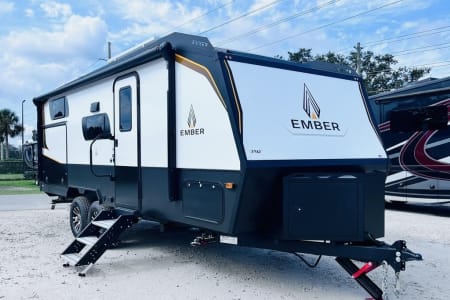
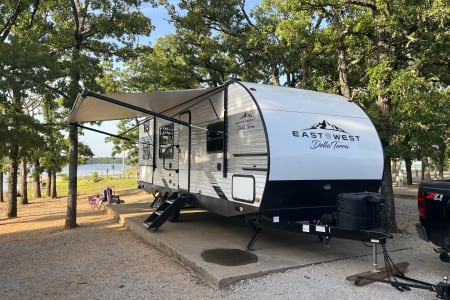
Explore the Lake Texoma area in a RV
Are you looking for an adventurous vacation option that won't break the bank? Look no further than renting an RV! Contrary to popular belief, the process is much simpler than you might imagine. With just a few easy steps, you'll soon be experiencing the ultimate freedom and convenience of exploring the open road in your very own recreational vehicle. And the best part? RV travel can save you up to 60% compared to other types of vacations! With the money you'll save, you'll be able to travel even more and create unforgettable memories along the way. So why wait? Start planning your next adventure today with an RV rental. Learn more about renting a RV.

2017 FR Tracer - Bunkhouse w/ 1.5 bath!!! Show UP and it's set UP!
Mead, OK

Controling Authority
What is the average air temp for Lake Texoma?
Are there any state parks near Lake Texoma?
For more Texas State Park information see our State Park Guide.
More Nearby Lakes To Explore
There's more lake's to explore around Lake Texoma...| DISTANCE | ACRES | |
| Lake Texoma | 7.5 mi | 89,000 |
| R and G Club Lake | 8.5 mi | 36 |
| Randell Lake | 8.9 mi | 241 |
| Cedar Bayou | 11.4 mi | 59,413 |
| Waterloo Lake | 12.4 mi | 45 |
| Loy Lake | 12.7 mi | 41 |
| Harris Lake | 13.7 mi | 14 |
| City Lake | 14.5 mi | 163 |
| Soil Conservation Service Site 39 Reservoir | 15.7 mi | 12 |
| Meadow Pond | 15.9 mi | 25 |
