


Big Lake
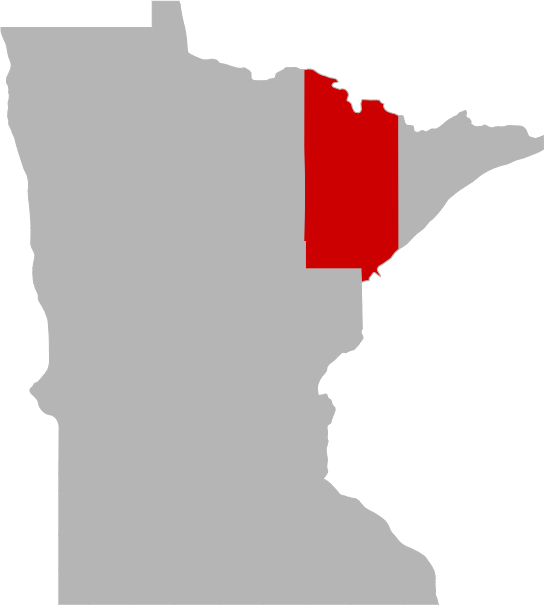
St. Louis County, Minnesota
Share your catch!
We want to see what you've caught on Big Lake.Frequently Asked Questions About Big Lake, MN
- How big is Big Lake?
- How deep is Big Lake?
- What kind of fish can you catch in Big Lake?
- Are there places to stay in the Big Lake area?
- Are there boat launches on Big Lake?
- Are there places to eat and drink near Big Lake?
- What is the average air temp for Big Lake?
- Are there any state parks near Big Lake?
How big is Big Lake?
How deep is Big Lake?
What kind of fish can you catch in Big Lake?
Other fish species in the lake include Common Shiner, Golden Shiner and White Sucker.
Are there places to stay in the Big Lake area?
More Lodging Options
Are there boat launches on Big Lake?
Are there places to eat and drink near Big Lake?
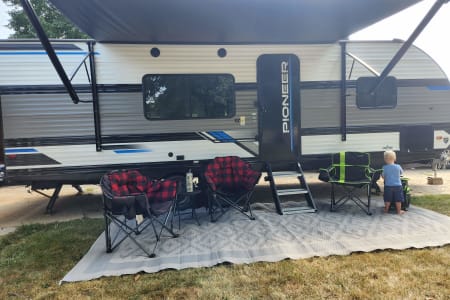
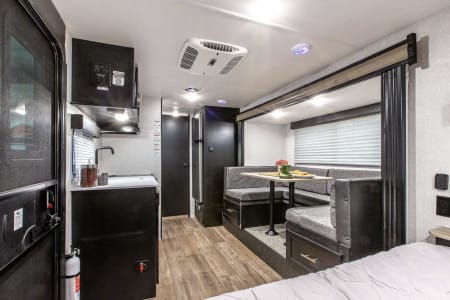
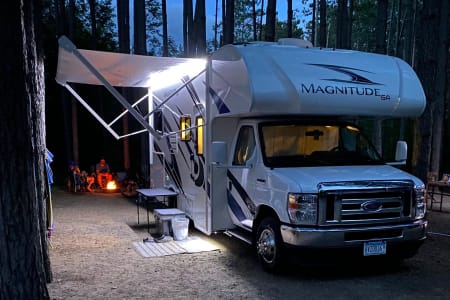
Explore the Big Lake area in a RV
Are you looking for an adventurous vacation option that won't break the bank? Look no further than renting an RV! Contrary to popular belief, the process is much simpler than you might imagine. With just a few easy steps, you'll soon be experiencing the ultimate freedom and convenience of exploring the open road in your very own recreational vehicle. And the best part? RV travel can save you up to 60% compared to other types of vacations! With the money you'll save, you'll be able to travel even more and create unforgettable memories along the way. So why wait? Start planning your next adventure today with an RV rental. Learn more about renting a RV.

History & Status of the Fishery
Big Lake is a 1,904 acre lake located 13 miles northwest of Ely. The main access is a ramp off the Echo Trail but there is also a portage access on the west side to La Pond and a water route access from the Portage River into the same bay the La Pond portage originates from. The lake has a maximum depth of 22 feet and brown bog-stained water.
Big Lake was thoroughly mixed on August 19, 2019 with an entire water column temperature of 70 F and oxygen levels adequate for gamefish from the surface to the bottom. Big Lake has four relatively minor inlets and one outlet. The outlet is the aforementioned water route access to the Portage River. Lake bottom substrates along the shoreline are mostly boulder and ledge rock with muck in some of the bays. Aquatic plants are sparse but do grow in the shallow water in some of the bays. There are four designated US Forest Service administered campsites, three of which are located on islands, and the fourth is on the west shore and is technically within the BWCAW. None of the lake is in the BWCAW but approximately 1 mile of shoreline on the west side is within it. Additionally there are two resorts on the lake. The shoreline ownership is split between US Forest Service, State of Minnesota, and private ownership.
The overall gillnet catch rate for all fish combined was 39.3 fish/net which was average compared to past catches for the lake. Total yield was 58.7 lbs/net which was also near the average. Fish species sampled in gill nets were white sucker, walleye, yellow perch, northern pike, rock bass, smallmouth bass, and black crappie. The overall trapnet catch rate for all fish combined was 11.3 fish/net which was the second lowest on record for the lake. Total yield was 17.9 lbs/net which was just below average. No additional species were sampled in trap nets that weren't also caught in gill nets.
The 2019 walleye gillnet catch rate was 9.5 fish/net, which was above average compared to other similar lakes and compared to past surveys for Big Lake. Walleye lengths from gill nets ranged from 7 to just over 26 inches with an average of 14 inches which was comparable to past surveys. Growth was slow compared to other lakes in the area however this is typical of some dark water lakes. It takes on average 6 years for a Big Lake walleye to reach over 15 inches. Ages ranged from 1 to 18 with the bulk of the catch being under 8 years old. Walleye fry are stocked. Although it was not a year when fry were stocked, the 2012 year class was the strongest.
The northern pike gillnet catch rate was 1.3 fish/net which was low compared to other similar lakes but about average for Big Lake. Sizes ranged from 17 to 28 inches with an average of 21 inches. The average weight was just over 2 pounds which was slightly better than average compared to other similar lakes. Throughout all past surveys on the lake, northern pike catch rates and lengths have been remarkably consistent.
Electrofishing was used for the first time on Big Lake for spring smallmouth bass sampling. Five smallmouth bass were captured in 2.67 hours of on-time for a total catch rate of 1.9 fish/hour. This was low compared to other area smallmouth lakes, although the shoreline characteristics of Big Lake can make electrofishing somewhat challenging. Sizes were good ranging from 12 to 19 inches with an average of nearly 16 inches. Seven additional smallmouth were sampled in gill nets. Growth rates were exceptional compared to other smallmouth lakes in the area. At 4 years old, the average smallmouth was nearly 14 inches long.
Four black crappie were sampled in trap nets for a catch rate of 0.3 fish/net which was low compared to other similar lakes. Three additional fish were sampled in the gill nets and this was the third consecutive survey where black crappie were caught, none had been sampled prior to 2009. Lengths of all fish ranged from 5 to nearly 12 inches with an average of just over 9 inches. Ages ranged from 1 to 6.
The yellow perch gill net catch rate (8.4/gill net) was slightly below average compared to other similar lakes but right around normal for Big Lake. Perch sizes in 2019 were similar to past investigations, averaging nearly 8 inches with some fish measuring around 12 inches.
Big Lake has always had a substantial sucker population and this survey showed no signs of them slowing down. The gillnet catch was 18.7 fish/net which was around average for the lake and considerably higher than other similar lakes. Sizes were similar to past surveys with an average of 17 inches and a maximum of 22 inches.
Rock bass were also sampled but in low numbers which was comparable to recent past surveys.
What is the average air temp for Big Lake?
Are there any state parks near Big Lake?
For more Minnesota State Park information see our State Park Guide.
More Nearby Lakes To Explore
There's more lake's to explore around Big Lake...| DISTANCE | ACRES | MAX DEPTH | |
| La Pond | 1.5 mi | 168 | |
| Baldpate Lake | 1.5 mi | 22 | |
| Third Lake | 2.1 mi | 44 | |
| Duck Lake | 2.1 mi | 119 | 5 ft |
| Agassa Lake | 2.5 mi | 72 | 9 ft |
| Ed Shave Lake | 2.6 mi | 90 | 17 ft |
| Big Rice Lake | 2.9 mi | 403 | 5 ft |
| Big Rice Lake | 2.9 mi | 403 | 5 ft |
| Big Rice Lake | 2.9 mi | 403 | 5 ft |
| Baldpate Lake | 3.1 mi | 52 |


