


Lower Sakatah Lake
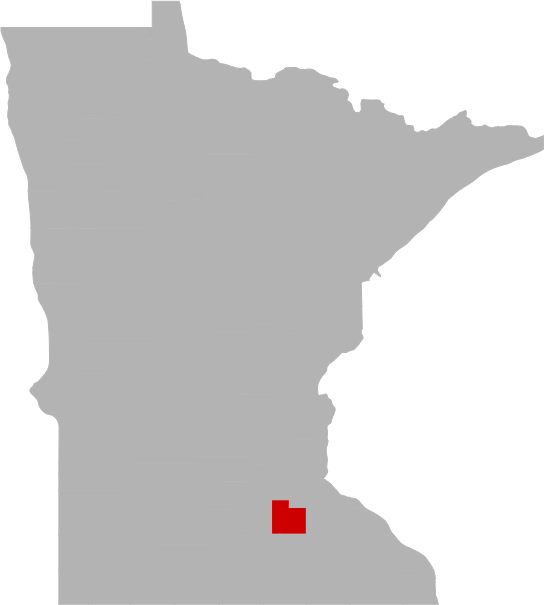
Rice County, Minnesota

Share Your Catch & Win!
Frequently Asked Questions About Lower Sakatah Lake, MN
- How big is Lower Sakatah Lake?
- How deep is Lower Sakatah Lake?
- What kind of fish can you catch in Lower Sakatah Lake?
- What are the closest cities to Lower Sakatah Lake?
- Are there places to stay in the Lower Sakatah Lake area?
- Are there places to eat and drink near Lower Sakatah Lake?
- What is the average air temp for Lower Sakatah Lake?
- Are there any state parks near Lower Sakatah Lake?
How big is Lower Sakatah Lake?
How deep is Lower Sakatah Lake?
What kind of fish can you catch in Lower Sakatah Lake?
Other fish species in the lake include Common Shiner, Freshwater Drum, Golden Shiner, Hybrid Sunfish, Johnny Darter, Logperch, Spottail Shiner and White Sucker.
What are the closest cities to Lower Sakatah Lake?
Are there places to stay in the Lower Sakatah Lake area?
More Lodging Options
Are there places to eat and drink near Lower Sakatah Lake?
Explore the Lower Sakatah Lake area in a RV
Are you looking for an adventurous vacation option that won't break the bank? Look no further than renting an RV! Contrary to popular belief, the process is much simpler than you might imagine. With just a few easy steps, you'll soon be experiencing the ultimate freedom and convenience of exploring the open road in your very own recreational vehicle. And the best part? RV travel can save you up to 60% compared to other types of vacations! With the money you'll save, you'll be able to travel even more and create unforgettable memories along the way. So why wait? Start planning your next adventure today with an RV rental. Learn more about renting a RV.


History & Status of the Fishery
Lower Sakatah Lake is a 310-acre lake located in Rice County east of the town of Waterville. Lower Sakatah is accessible by the access on Upper Sakatah Lake, which is inside Sakatah Lake State Park. Lower Sakatah can also be accessed by the bridge on Leroy Avenue, which connects Lower and Upper Sakatah Lakes. Lower Sakatah is a shallow lake with a maximum depth of only 7 feet. The deepest water in the lake can be found toward the west end, as the water gets shallower toward the outlet on the east end of the lake. Lower Sakatah Lake is managed primarily for Walleye and is stocked with Walleye fry three out of every four years. A contingency stocking plan calls for Northern Pike fingerlings, Yellow Perch adults, Black Crappie adults, and Bluegill adults to be stocked after winterkill events.
A targeted survey was conducted the week of August 3, 2020 as part of a regular monitoring program conducted by Minnesota DNR. Due to the Covid-19 pandemic social distancing protocols only gill nets were used in this survey. This survey was intended to assess the fish community by deploying six gill nets as well as recording water quality parameters. This survey can be compared to historical standard surveys because standardized methods were used.
Walleye were sampled at a rate of 4.7 fish/gill net in 2020, which is below the long term average of 6.2 fish/gill net. The length of Walleye averaged 16.3 inches and the largest individual sampled was 25.3 inches. The growth rate of Walleye was moderate compared to other similar lakes in the area. Walleye fry were recently stocked into Lower Sakatah Lake in 2016, 2018, and 2019 at a target rate of 1,500 fry per littoral acre, which is consistent with the entire Cannon River Watershed.
The Northern Pike population in Lower Sakatah Lake has remained relatively stable in recent years. The 2020 Northern Pike catch rate was 2.0 fish/gill net, which resembled the long-term lake average of 2.9 fish/gill net. Northern Pike collected in the 2020 survey ranged in length from 10.0 to 29.2 inches and averaged 23.2 inches. Northern Pike greater than 24 inches made up 44 percent of the catch. Northern Pike in southern Minnesota grow very fast. The average length of Northern Pike in Lower Sakatah Lake was 26.2 inches at age-2. Although Northern Pike have not been stocked into Lower Sakatah Lake in recent years, Northern Pike are regularly stocked throughout the Cannon River chain of lakes. Lower Sakatah Lake is located in the Southern Northern Pike management zone. In order to harvest a Northern Pike the fish must be over 24.0 inches in length. The daily bag limit in this zone is 2 Northern Pike per day.
The 2020 catch rate of Yellow Perch was 18.0 fish/gill net, which was slightly above the long-term lake average of 16.4 fish/gill net. The lengths of Yellow Perch ranged from 5.6 to 10.6 inches and averaged 7.3 inches. Young Yellow Perch have likely been an important food source for Walleye and other predators in the Cannon River chain of lakes. Additionally, some anglers have success catching Yellow Perch from the shores of Lower Sakatah Lake.
Like most lakes in the Cannon River chain, Lower Sakatah Lake has populations of both black and yellow bullheads. With a catch rate of 3.7 fish/gill net, Black Bullhead were in low abundance based on the 2020 survey. However, the sizes of Black Bullhead were large, with lengths ranging from 7.2 to 14.0 inches and averaging 11.5 inches. Yellow bullheads were sampled at a rate of 1.7 fish/gill net. Yellow bullheads were also large, with lengths ranging from 7.8 to 13.7 inches and averaging 10.2 inches. The Waterville area was once well-known for its bullhead fishing. Lower Sakatah Lake and other shallow, highly productive lakes in southern Minnesota still offer quality bullhead fishing opportunities today.
Black Crappie were present in Lower Sakatah, but in low abundance. The 2020 gill net catch rate was 4.5 fish/ gill net, which was above the long-term average of 3.7 fish/net. The lengths of Black Crappie ranged from 5.2 to 11.5 inches and averaged 7.6 inches.
Freshwater Drum was the most abundant fish species in 2020, with a total of 38 collected in the survey, Other fish species collected from Lower Sakatah Lake in 2020 included Bluegill (N=2), White Bass (N = 25), Bowfin (dogfish) (N = 5), Common Carp (N = 17), Largemouth Bass (N = 1), Bigmouth Buffalo (N = 3), White Sucker (N=1), and Golden Shiner (N = 5).
Water quality parameter measurements included secchi depth, water temperature, and dissolved oxygen readings. At the time of this survey secchi depth was 2.0 feet, which is typical of Lake Class 43. Water temperatures and dissolved oxygen readings throughout the water column ranged from 75.9 degrees Fahrenheit and 10.1 ppm at the surface to 76.3 degrees Fahrenheit and 10.0 ppm at 4.5 feet.
Anglers can play an important role in maintaining or improving a fish population by practicing selective harvest. Selective harvest allows for the harvest of smaller fish for consumption, while encouraging the release of medium to large fish that may contribute to natural recruitment. This practice helps maintain balance in the fish community and provides anglers the opportunity to catch more and larger fish in the future. Additionally, smaller fish often taste better and have fewer contaminants than larger, older fish from the same water body.
Shoreline property owners also play an important role in the overall health of an aquatic ecosystem, including the fish population. Natural shorelines, including vegetation, woody debris, and bottom substrates, provide valuable habitat for fish and wildlife, help maintain water quality, and reduce bank erosion. By leaving natural shorelines unaltered or restoring them to natural conditions, shoreline property owners are doing their part to maintain or improve a healthy ecosystem in the lake and protect the resource for future generations.
-Tyler Fellows, fisheries specialist
What is the average air temp for Lower Sakatah Lake?
Are there any state parks near Lower Sakatah Lake?
For more Minnesota State Park information see our State Park Guide.
More Nearby Lakes To Explore
There's more lake's to explore around Lower Sakatah Lake...| DISTANCE | ACRES | MAX DEPTH | |
| Sprague Lake | 1.8 mi | 178 | |
| Upper Sakatah Lake | 2.0 mi | 892 | 12 ft |
| Unnamed Lake | 2.1 mi | 30 | |
| Horseshoe Lake | 2.1 mi | 417 | 26 ft |
| Weinberger Lake | 4.7 mi | 32 | |
| Caron Lake | 4.9 mi | 319 | 4 ft |
| Knutson Lake | 4.9 mi | 22 | |
| Sunfish Lake | 5.0 mi | 121 | 30 ft |
| Tetonka Lake | 5.3 mi | 1,358 | 35 ft |
| Everson Lake | 5.3 mi | 69 |


