


Lizzie Lake (north portion)
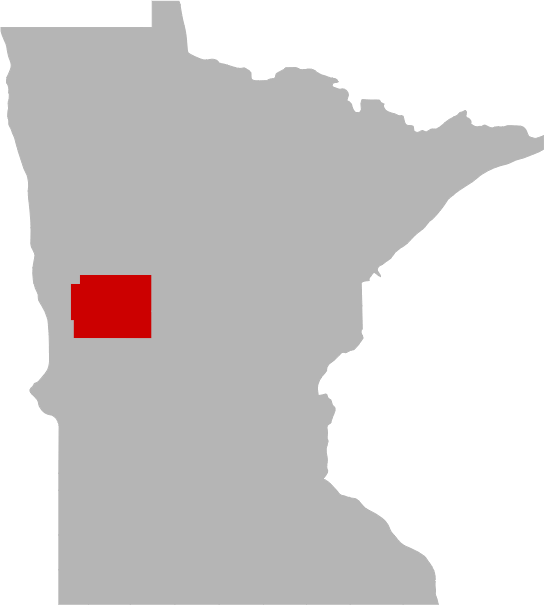
Otter Tail County, Minnesota
Share your catch!
We want to see what you've caught on Lizzie Lake (north portion).Frequently Asked Questions About Lizzie Lake (north portion), MN
- How big is Lizzie Lake (north portion)?
- How deep is Lizzie Lake (north portion)?
- What kind of fish can you catch in Lizzie Lake (north portion)?
- What are the closest cities to Lizzie Lake (north portion)?
- Are there places to stay in the Lizzie Lake (north portion) area?
- Are there boat launches on Lizzie Lake (north portion)?
- Are there places to eat and drink near Lizzie Lake (north portion)?
- What is the average air temp for Lizzie Lake (north portion)?
- Are there any state parks near Lizzie Lake (north portion)?
How big is Lizzie Lake (north portion)?
How deep is Lizzie Lake (north portion)?
What kind of fish can you catch in Lizzie Lake (north portion)?
Other fish species in the lake include Cisco (Tullibee), Freshwater Drum, Green Sunfish, Hybrid Sunfish, Shorthead Redhorse and White Sucker.
What are the closest cities to Lizzie Lake (north portion)?
Are there places to stay in the Lizzie Lake (north portion) area?
More Lodging Options
Are there boat launches on Lizzie Lake (north portion)?
Are there places to eat and drink near Lizzie Lake (north portion)?
Explore the Lizzie Lake (north portion) area in a RV
Are you looking for an adventurous vacation option that won't break the bank? Look no further than renting an RV! Contrary to popular belief, the process is much simpler than you might imagine. With just a few easy steps, you'll soon be experiencing the ultimate freedom and convenience of exploring the open road in your very own recreational vehicle. And the best part? RV travel can save you up to 60% compared to other types of vacations! With the money you'll save, you'll be able to travel even more and create unforgettable memories along the way. So why wait? Start planning your next adventure today with an RV rental. Learn more about renting a RV.


What aquatic invasive species are found in Lizzie Lake (north portion)?
Join us in the fight to prevent the spread of invasive species These sneaky creatures can hitch a ride on boats, clinging onto propellers, anchor lines, and trailers. They can even survive in hidden places like bilge water and ballast tanks, or disguise themselves in dirt and sand that sticks to nets, buckets, anchors, and waders. But don't worry, we have the power to stop them in their tracks with just a few simple steps. So let's do our part and protect our waters from these unwanted invaders.
History & Status of the Fishery
Lizzie Lake is a 4,035-acre mesotrophic (moderately fertile) lake located in northwestern Otter Tail County approximately six miles northeast of Pelican Rapids, MN. Lizzie Lake is located within the Otter Tail River Watershed. Lizzie Lake is connected to Pelican Lake and Prairie Lake via the Pelican River. The Pelican River inlet is located along the northwest shoreline of the lake while the outlet is located along the southwest shoreline. Lizzie Lake is connected to Crystal Lake by a navigable culvert under County Road 31. Lizzie Lake is also connected to North Lida Lake by an unnavigable culvert under County Road 4. The immediate watershed is composed primarily of agricultural land interspersed with hardwood woodlots. The maximum depth of Lizzie Lake is 66 feet; however, 75% of the lake is less than 15 feet in depth. The secchi disk reading during the 2022 survey was 15.5 feet. Previous secchi disk readings ranged from 6.5 to 22.0 feet.
A majority of the north and west shorelines of Lizzie Lake have been developed. Homes and cottages compose the majority of the development. A DNR owned concrete public water access is located along the west shoreline of the lake. Shoreline development is limited in the southern portion of the lake. Hardstem bulrush, common cattail, and phragmites are prevalent throughout this section of the lake. Large stands of hardstem bulrush are also scattered along various shorelines of the northern portion of the lake and around several mid-lake islands. Emergent aquatic plants such as bulrush and cattail provide valuable fish and wildlife habitat, and are critical for maintaining good water quality. They protect shorelines and lake bottoms, and can absorb and break down polluting chemicals. Emergent plants provide spawning areas for fish such as Northern Pike, Largemouth Bass, and panfish. They also serve as an important nursery area for all species of fish. Because of their ecological value, emergent plants may not be removed without a DNR permit.
Lizzie Lake can be ecologically classified as a bass-panfish-Walleye type of lake and this is reflected in the assemblage of the fish community. Northern Pike, Largemouth Bass, Smallmouth Bass, Bluegill, and Walleye are the dominant gamefish species present.
Northern Pike abundance has remained stable. Age data indicate that Northern Pike reproduction is consistently good. Northern Pike ranged in length from 16.1 to 27.3 inches with an average length and weight of 20.3 inches and 1.6 pounds. Northern Pike attain an average length of 21.6 inches at four years of age.
Data from a spring electrofishing survey in 2019 indicate that a balanced Largemouth Bass population exists. Age data indicate that Largemouth Bass reproduction is consistently good. Largemouth Bass ranged in length from 3.9 to 18.4 inches with an average length and weight of 13.7 inches and 1.6 pounds. Largemouth Bass attain an average length of 15.0 inches at five years of age.
Catch and age data indicate that Smallmouth Bass abundance has been increasing and that reproduction is consistently good. Smallmouth Bass ranged in length from 5.5 to 20.1 inches. Smallmouth Bass attain an average length of 13.7 inches at four years of age.
Bluegill abundance has remained stable over the recent series of surveys. Forty-two percent of the Bluegills were 7.0 inches or greater in length and 15% were 8.0 inches or greater in length. Bluegills attain an average length of 7.8 inches at eight years of age.
Walleye abundance has been at a lower level in recent surveys compared to historical abundance. Walleyes ranged in length from 11.5 to 26.3 inches with an average length and weight of 17.8 inches and 2.1 pounds. Walleyes attain an average length of 13.7 inches at four years of age.
In 1999, the DNR constructed and placed Smallmouth Bass spawning structures in Lizzie Lake to increase the available spawning habitat for that species.
Anglers can also maintain the quality of fishing by practicing selective harvest. Selective harvest encourages the release of medium to large-size fish while allowing the harvest of more abundant smaller fish for table fare. Releasing the medium to large fish will ensure that lake will have enough spawning age fish on an annual basis and will provide anglers with more opportunities to catch large fish in the future.
Lizzie Lake was listed as infested with zebra mussels in 2009. Aquatic invasive species are threatening Minnesota waters. Aquatic invasive species can potentially harm water quality, water recreation, aquatic habitat, native species, and fish populations. Anglers can help prevent the introduction and spread of invasive species by following watercraft transportation laws.
Lizzie Lake is also a popular waterfowl hunting lake. Many hunters pursue ducks and geese in the southern portion of the lake (Rush Lake). Rush Lake is annually designated as a DNR waterfowl feeding and resting area from September 1 through the final day of the duck hunting season. Operation of motorized watercraft in Rush Lake during that time period is prohibited.
What is the average air temp for Lizzie Lake (north portion)?
Are there any state parks near Lizzie Lake (north portion)?
For more Minnesota State Park information see our State Park Guide.
More Nearby Lakes To Explore
There's more lake's to explore around Lizzie Lake (north portion)...| DISTANCE | ACRES | MAX DEPTH | |
| Unnamed Lake | 1.6 mi | 17 | |
| Unnamed Lake | 1.7 mi | 10 | |
| Lake Franklin | 1.8 mi | 1,088 | 48 ft |
| Sand Lake | 2.2 mi | 152 | 29 ft |
| Unnamed Lake | 2.4 mi | 15 | |
| Fish Lake | 2.4 mi | 277 | 69 ft |
| Elbow Lake | 2.5 mi | 91 | 45 ft |
| Elbow Lake | 2.5 mi | 91 | |
| Bass Lake | 2.8 mi | 48 | 33 ft |
| Unnamed Lake | 2.9 mi | 37 |


