


Lake Lillian
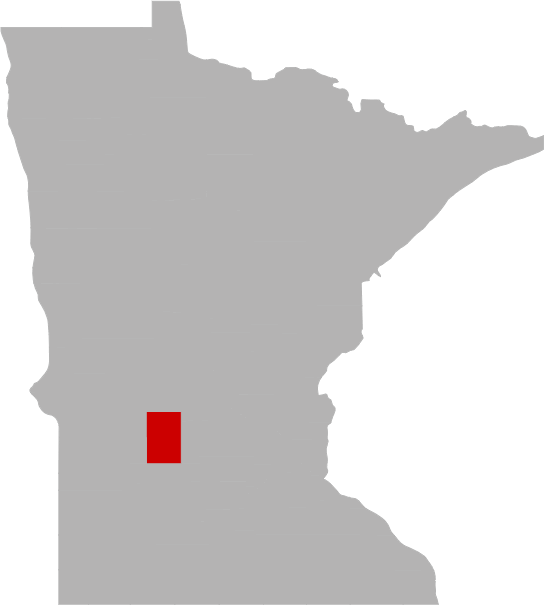
Kandiyohi County, Minnesota

Share Your Catch & Win!
Frequently Asked Questions About Lake Lillian, MN
- How big is Lake Lillian?
- How deep is Lake Lillian?
- What kind of fish can you catch in Lake Lillian?
- What are the closest cities to Lake Lillian?
- Are there places to stay in the Lake Lillian area?
- Are there boat launches on Lake Lillian?
- Are there places to eat and drink near Lake Lillian?
- What is the average air temp for Lake Lillian?
How big is Lake Lillian?
How deep is Lake Lillian?
What kind of fish can you catch in Lake Lillian?
Other fish species in the lake include Fathead Minnow, Green Sunfish, Johnny Darter, Orangespotted Sunfish, Spottail Shiner and White Sucker.
What are the closest cities to Lake Lillian?
Are there places to stay in the Lake Lillian area?
More Lodging Options
Are there boat launches on Lake Lillian?
Are there places to eat and drink near Lake Lillian?
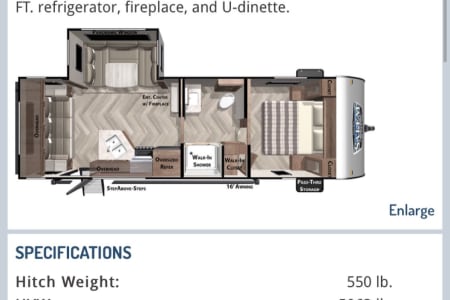
Explore the Lake Lillian area in a RV
Are you looking for an adventurous vacation option that won't break the bank? Look no further than renting an RV! Contrary to popular belief, the process is much simpler than you might imagine. With just a few easy steps, you'll soon be experiencing the ultimate freedom and convenience of exploring the open road in your very own recreational vehicle. And the best part? RV travel can save you up to 60% compared to other types of vacations! With the money you'll save, you'll be able to travel even more and create unforgettable memories along the way. So why wait? Start planning your next adventure today with an RV rental. Learn more about renting a RV.


History & Status of the Fishery
A standard survey of Lillian was conducted mid-June of 2021. A targeted survey is generally used for sampling a specific kind of fish or time of year (i.e., spawning season, fall season, etc.) unlike a standard survey which samples a wider range of fish species during the summer months using standard methodology (i.e., standard time of year, set sampling stations, taking water clarity readings and oxygen/temperature profiles, etc.) and gears (i.e., lake survey gillnets, trapnets and possibly spring electrofishing for Largemouth Bass).
Lake Lillian is a large (1,151 acres), shallow (8 feet), turbid and productive lake located in Kandiyohi County. Lillian is a designated waterfowl feeding and resting area during the open waterfowl season. Motor propelled watercraft are prohibited except for trolling motors with battery power of 12 volts or less during the open waterfowl season. High nutrient runoff inflows are common into Lillian during rain events from agricultural sources via the shoreline areas, tiles, and ditches. The outlet of Big Kandiyohi flows via a large ditch into the west side of Lake Lillian. The Lake Lillian outlet flows into the South Fork of Crow River. Water levels were low in 2020 and 2021. Intense blue-green algae blooms are common in Lake Lillian during the summer months. Hardstem bulrush and cattails are abundant in Lillian. Other aquatic vegetation species present are limited mostly to sago pondweed, filamentous algae and water moss. In 2021, sago pondweed and curly-leaf pondweed densities were light and variable in location throughout the lake. The water clarity was good (secchi disc=3.0 feet) for Lillian on June 22, 2021.
Partial winterkills have rarely occurred in Lillian (1996-97 winter) and resulted in only minor losses of gamefish numbers. However, a significant winterkill (primarily Common Carp and Walleye) occurred during January/February of 2014. We did catch low numbers of Common Carp, Walleye, White Sucker and Yellow Perch in ice out nets during the spring of 2014. Local anglers reported good success catching large Yellow Perch and small Walleye (12-14 inches) during January of 2017. A partial winterkill occurred during February of 2019. Winter conditions were relatively mild during January of 2019. Winter dissolved oxygen readings on most area shallow lakes were relatively high (>10.0 ppm) during January of 2019. High snowfall events and cold temperatures were the norm for February and early March of 2019. Lake Lillian dissolved oxygen levels decreased from 14.2 ppm in mid-December of 2018 to 0.4 ppm by early-March of 2019. Common Carp were the most prevalent dead fish species observed during the 2019 spring ice out assessment. There were abundant numbers of live Yellow Perch and Black Bullhead; and low/moderate numbers of adult Walleye and small sized Bigmouth Buffalo present in the 2019 ice out trap nets on Lillian. Dissolved oxygen levels were adequate on most area lakes during the 2020-21 winter. Dissolved oxygen levels were variable during the 2021-22 winter due in part to low water levels, colder temperatures, variability in snow cover, and overabundance of submergent vegetation in some basins (i.e., Elizabeth). In 2021-22 winter, high snowfall cover coupled with low water and decaying of high submergent vegetation densities in some area lakes resulted in rapid declines of winter oxygen levels. These conditions may result in possible winterkill of fish in some area lakes in 2022.
Northern Pike abundance in 2021 was high (4.67 fish/gillnet) for Lillian. The Northern Pike historical average catch rate is 2.69 fish/gillnet. The 2021 Northern Pike average size was small (1.83 pounds and 20.32 inches) from gillnets. The historical average weight is 2.81 pounds. The Northern Pike catch rate of quality size (21.00 plus inches) was moderate (1.33 fish/gillnet) in 2021. Growth rates were below the Spicer Area normal ranges for ages 1-7. The 2018 year class comprised 41% of the 2021 Northern Pike survey catch. Northern pike fingerlings (5,391 fish) were stocked into Lillian during early June of 2014. The largest Northern Pike captured was 26.38 inches in the 2021 survey. Northern Pike possession limit regulations for Lillian in the North-central Zone are as follows: anglers can keep 10 Northern Pike, but not more than two pike longer than 26 inches; and all from 22 to 26 inches must be released. Northern Pike taken by spearing follow the same rules except one pike may be between 22 and 26 inches or two larger than 26 inches.
Yellow Perch abundance in 2021 was high (38.33 fish/gillnet) for Lillian. The Yellow Perch historical average catch rate is 28.19 fish/gillnet. The 2021 Yellow Perch average was moderate (0.18 pounds and 7.29 inches) from gillnets. The historical average weight was 0.30 pounds. The Yellow Perch catch rate of preferred size (10.00 plus inches) was low (0.33 fish/gillnet) in 2021. Growth rates were within the Spicer Area normal ranges for ages 1-7. The 2016 and 2017 year classes each comprised about 32% of the 2021 Yellow Perch survey catch. The largest Yellow Perch captured was 10.12 inches in the 2021 survey.
Walleye abundance in 2021 was low (1.00 fish/gillnet) for Lillian. The Walleye historical average catch rate is 5.89 fish/gillnet. No Walleye were captured in the 2021 trapnets. The 2021 Walleye average size was moderate (1.96 pounds and 17.09 inches) from gillnets. The historical average weight is 2.10 pounds from gillnets. The Walleye catch rate of quality size (15.00 plus inches) was low (0.67 fish/gillnet) in 2021. Growth rates were within the Spicer Area normal ranges for ages 1-3, but below the normal ranges for ages 4-7. The largest Walleye captured was 20.47 inches in the 2021 survey.
Walleye natural reproduction is generally insignificant in Lake Lillian. Fish movement can occur into Lake Lillian from Big Kandiyohi or the South Fork of Crow River. The Walleye population is maintained by fry stockings (0.4-1.6 million) with the stockings occurring during 2008-2009, 2011, 2014-2015, 2018-2019 and 2021. Approximately 1 million Private strain Walleye fry were stocked in 2018. There were 404,928 Spicer strain Walleye fry stocked in 2019. In 2021, 575,215 Spicer strain Walleye fry were stocked. A fall night electrofishing survey was last conducted for young of year "YOY" (fingerling sized) Walleye on Lake Lillian during 2019. No YOY Walleye were captured in the 2019 fall electrofishing survey. Low YOY Walleye numbers were captured in the 2018 (32.00 YOY/hour, 6.00 inches) and 2017 (4.00 YOY/hour, 7.20 inches) fall night electrofishing surveys. No Yearling Walleye were present in 2018. Abundant numbers of YOY Walleye (72.00 YOY/hour, 5.28 inches) were observed in the 2015 fall electrofishing survey. Abundant numbers of YOY Walleye (174.00 YOY/hour, 6.23 inches average) were also observed in the 2014 fall electrofishing survey. Yearling Walleye (2014 year class) were also abundant (28.00 fish/hour, 10.08 inches) in 2015. The historical average catch rate is 254.09 YOY/hour for Lillian. There were abundant YOY Walleye numbers documented in fall electrofishing surveys prior to 2014; however, the majority of older year classes probably did not survive the January/February 2014 winterkill event.
Black Crappie abundance in 2021 was low (1.33 fish/trapnet) for Lillian. The Black Crappie gillnet abundance in 2021 was also low (1.33 fish/gillnet). The Black Crappie historical average catch rates are 2.44 fish/gillnet and 4.53 fish/trapnet. The 2021 Black Crappie average size was moderate (0.33 pounds and 8.44 inches) from gillnets. The 2021 Black Crappie average size was small (0.04 pounds and 4.21 inches) from trapnets. The historical average weight was 0.29 pounds for both gillnets and trapnets. Growth rates were above the Spicer Area normal ranges for ages 1-2, but within the normal ranges for ages 3-4. The 2020 year class comprised 80% of the 2021 Black Crappie survey catch. The largest Black Crappie captured was 9.45 inches.
Bluegill abundance in 2021 was high (7.33 fish/trapnet) for Lillian. The historical average catch rate is 1.55 fish/trapnet. The 2021 Bluegill average size was small (0.09 pounds and 4.95 inches) from trapnets.
Black Bullhead abundance in 2021 was high (171.67 fish/trapnet) for Lillian. The Black Bullhead historical average catch rate is 53.72 fish/trapnet. The 2021 Black Bullhead average size was small (0.21 pounds and 7.22 inches) from trapnets. The historical average weight is 0.37 pounds.
Common Carp abundance in 2021 was high (5.83 fish/trapnet) for Lillian. Common Carp abundance (17.67 fish/gillnet) was also high in the 2021 gillnets. The 2021 Common Carp average size was small from trapnets (0.87 pounds and 6.67 inches) and gillnets (0.59 pounds and 8.03 inches).
Other fish species captured during 2021 included high numbers of Bigmouth Buffalo (21.67 fish/gillnet, 0.32 pounds average weight). Low numbers of Orangespotted Sunfish (0.17 fish/trapnet), Hybrid Sunfish (0.17 fish/trapnet) and Largemouth Bass (0.25 fish/trapnet) were also caught in the 2021 survey nets. No Channel Catfish were captured in Lillian during 2016 or 2021.
Current fish management activities on Lake Lillian include monitoring winter dissolved oxygen levels, protecting aquatic vegetation through the permit process, assisting aquatic plant management and enforcement personnel in educating boaters and monitoring access sites for potential invasive species introductions, encouraging land owners to implement best management practices in the watershed, and stocking various fish species as warranted. All fish species will be sampled in 2026. Fall electrofishing surveys may be conducted during Walleye fry stocked years to assess the success or failure of the stockings.
What is the average air temp for Lake Lillian?
More Nearby Lakes To Explore
There's more lake's to explore around Lake Lillian...| DISTANCE | ACRES | MAX DEPTH | |
| Unnamed Lake | 2.1 mi | 22 | |
| Big Kandiyohi Lake | 4.1 mi | 2,683 | 18 ft |
| Unnamed Lake | 4.6 mi | 12 | |
| Cherry Lake | 6.7 mi | 64 | |
| Johnson Lake | 7.0 mi | 101 | |
| Little Kandiyohi Lake | 7.2 mi | 1,107 | |
| Thompson Lake | 7.5 mi | 226 | 8 ft |
| Elizabeth (Main Lake) | 7.8 mi | 1,023 | 9 ft |
| Kasota Lake | 7.9 mi | 1,107 | |
| Minnetaga Lake | 8.0 mi | 791 | 9 ft |


