


Ball Club Lake
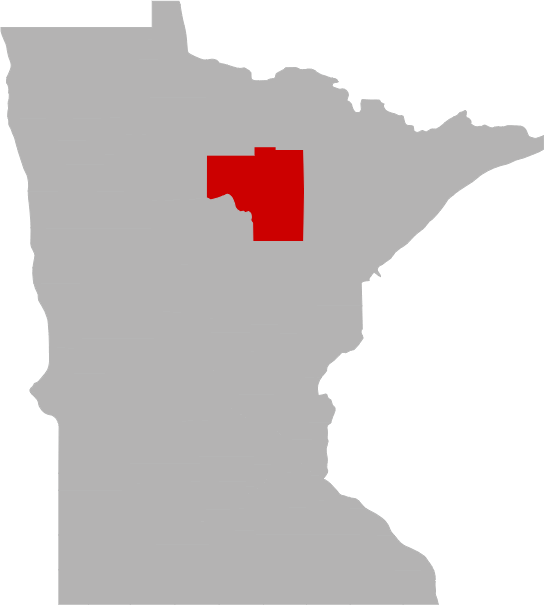
Itasca County, Minnesota

Today's Fishing Forecast
Fishing looks to be moderately active with peak fishing times around 7-8 AM and 3-5 PM. SEE MORE
Share your catch!
We want to see what you've caught on Ball Club Lake.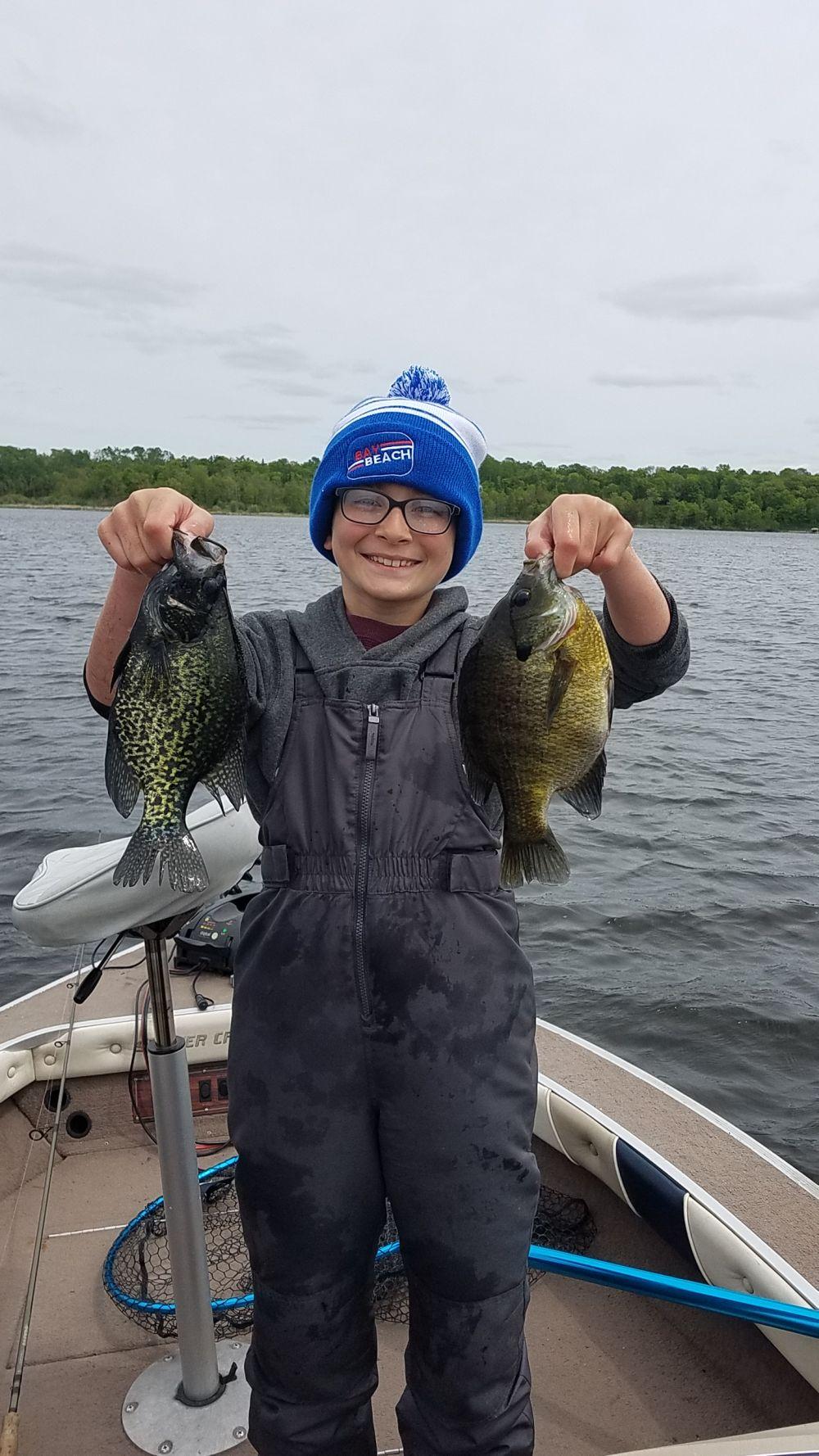
Frequently Asked Questions About Ball Club Lake, MN
- How big is Ball Club Lake?
- How deep is Ball Club Lake?
- What kind of fish can you catch in Ball Club Lake?
- What are the closest cities to Ball Club Lake?
- Are there places to stay in the Ball Club Lake area?
- Are there topographical lake maps available Ball Club Lake?
- Are there boat launches on Ball Club Lake?
- Are there places to eat and drink near Ball Club Lake?
- What is the average air temp for Ball Club Lake?
- Are there any state parks near Ball Club Lake?
How big is Ball Club Lake?
How deep is Ball Club Lake?
What kind of fish can you catch in Ball Club Lake?
Other fish species in the lake include Banded Killifish, Blackchin Shiner, Blacknose Shiner, Cisco (Tullibee), Hybrid Sunfish, Johnny Darter, Lake Whitefish, Spottail Shiner and White Sucker.
What are the closest cities to Ball Club Lake?
Are there places to stay in the Ball Club Lake area?
More Lodging Options
Lake-Link Featured Lodging


Are there topographical lake maps available Ball Club Lake?
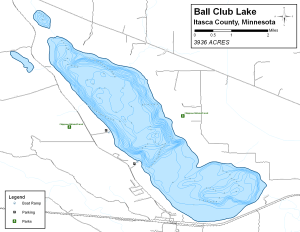
Are there boat launches on Ball Club Lake?
Ball Club Lake area businesses:
Are there places to eat and drink near Ball Club Lake?
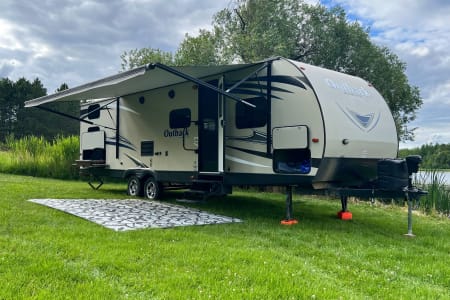
Explore the Ball Club Lake area in a RV
Are you looking for an adventurous vacation option that won't break the bank? Look no further than renting an RV! Contrary to popular belief, the process is much simpler than you might imagine. With just a few easy steps, you'll soon be experiencing the ultimate freedom and convenience of exploring the open road in your very own recreational vehicle. And the best part? RV travel can save you up to 60% compared to other types of vacations! With the money you'll save, you'll be able to travel even more and create unforgettable memories along the way. So why wait? Start planning your next adventure today with an RV rental. Learn more about renting a RV.
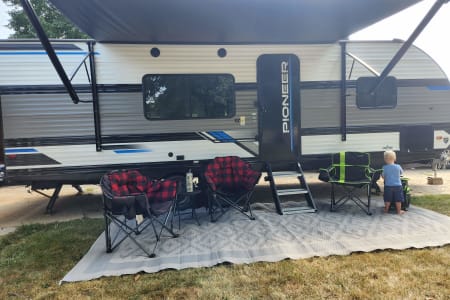

2025 Forest River Cherokee Grey Wolf - Family Friendly & Adventure Ready!
Bemidji, MN

What aquatic invasive species are found in Ball Club Lake?
Join us in the fight to prevent the spread of invasive species These sneaky creatures can hitch a ride on boats, clinging onto propellers, anchor lines, and trailers. They can even survive in hidden places like bilge water and ballast tanks, or disguise themselves in dirt and sand that sticks to nets, buckets, anchors, and waders. But don't worry, we have the power to stop them in their tracks with just a few simple steps. So let's do our part and protect our waters from these unwanted invaders.
History & Status of the Fishery
Ball Club Lake is a large, mesotrophic lake located near Ball Club, MN in the Mississippi River watershed. The lake is situated within the Chippewa National Forest and the Leech Lake Indian Reservation. Ball Club Lake has a surface area of 3,936 acres, a maximum depth of 85 feet and clear water. The lake has four inlets and its outlet is the Ball Club River which flows to the Mississippi River.
The fisheries lake management plan (LMP) was last revised in 2015. Walleye and Northern Pike were the primary management species while Black Crappie and Lake Whitefish were considered secondary species. Walleye are actively managed via stocking, most recently with Mississippi strain fingerlings in alternate years. The Leech Lake Division of Resource Management provides half of the quota and DNR Fisheries provides the other half. A targeted survey was conducted in August 2022 to collect updated information on the fishery. The survey utilized 15 standard gill nets and one special deep-water gill net targeting Tullibee.
Northern Pike were the most common fish in the gill-net sample. The catch rate was considered average for the lake and comparable to similar type lakes. Pike ranged from 14.3 to 32.9 inches with an average length of 22.1 inches. Size structure was moderate, with 7% of the sample exceeding 28 inches. Seven year classes (ages 2-7) were represented in the sample, with age 3 fish the most frequently sampled. Growth was considered average with pike averaging 25.8 inches after five years. Ball Club Lake provides good opportunities to catch small to medium-sized pike with an occasional chance at fish exceeding 28 inches.
Walleye catch rates on Ball Club have typically been low compared to similar lakes. In 2022, Walleye were sampled at a catch rate of 2.4/gill net. This catch was below average compared to lakes with similar habitat but typical for Ball Club. Extremely high water levels during the time of the survey may also have affected the catch rate. Size structure was good; sampled Walleye ranged from 10 to 26 inches with a mean length of 17.5 inches. Twenty-three percent of the sample exceeded 20 inches. Nine year classes (ages 2-10) were identified, with 34% of the sample belonging to the 2018 year class (age 4). The contribution of stocking to the population was difficult to evaluate since eight of the previous 10 years were stocked with either fry or fingerlings. Growth was considered average. Walleye averaged 17.8 inches after five years of growth. Angler reports suggest Ball Club Lake provides fair fishing opportunities for Walleye.
The Yellow Perch gill-net catch rate was relatively low compared to similar lakes, but similar to the previous survey on Ball Club. Extremely high water levels were present during the two most recent surveys which may have negatively affected the catches. Perch were generally too small to be of interest to anglers, ranging from 5.2 to 10.5 inches with an average length of 6.4 inches.
The special deep-water gill net captured 57 Tullibee, suggesting an abundant population. Sampled Tullibee ranged from 6.5 to 12.6 inches, with an average length of 8.9 inches. A majority (82%) of fish were infested with the parasite Whitefish Grub (Triaenophorus). Tullibee are an important prey species for predators like Northern Pike and Walleye.
Other species sampled in this survey included Black Crappie, Rock Bass and White Sucker.
Zebra Mussels, an exotic species, are present in Ball Club Lake and the connecting Mississippi River. Zebra Mussels are effective filter feeders and contribute to notably increased water clarity. Anglers and boaters are reminded to help stop the spread of invasive species by removing all aquatic plants from boats, trailers, and equipment. All drain plugs must be removed and live and bait wells must be drained before leaving the access. Anglers and boaters are encouraged to power wash and thoroughly dry all equipment prior to use in another water body.
What is the average air temp for Ball Club Lake?
Are there any state parks near Ball Club Lake?
For more Minnesota State Park information see our State Park Guide.
More Nearby Lakes To Explore
There's more lake's to explore around Ball Club Lake...| DISTANCE | ACRES | MAX DEPTH | |
| Unnamed Lake | 3.6 mi | 35 | |
| Little Ball Club Lake | 4.9 mi | 185 | 30 ft |
| Little Winnibigoshish Lake | 5.5 mi | 1,002 | 28 ft |
| Tuttle Lake | 5.7 mi | 49 | |
| Rice Lake | 6.2 mi | 54 | |
| Unnamed Lake | 6.4 mi | 17 | |
| Unnamed Lake | 6.9 mi | 10 | |
| LLDRM-Pugnose Lake | 6.9 mi | 15 | |
| Mud Lake | 7.2 mi | 1,421 | |
| Nushka Lake | 7.3 mi | 79 |
