


Swamp Lake
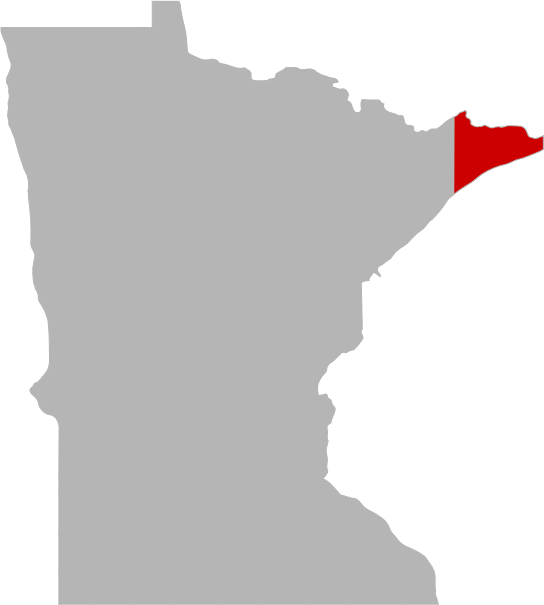
Cook County, Minnesota
Share your catch!
We want to see what you've caught on Swamp Lake.Frequently Asked Questions About Swamp Lake, MN
- How big is Swamp Lake?
- How deep is Swamp Lake?
- What kind of fish can you catch in Swamp Lake?
- Are there places to stay in the Swamp Lake area?
- Are there places to eat and drink near Swamp Lake?
- What is the average air temp for Swamp Lake?
- Are there any state parks near Swamp Lake?
How big is Swamp Lake?
How deep is Swamp Lake?
What kind of fish can you catch in Swamp Lake?
Other fish species in the lake include White Sucker.
Are there places to stay in the Swamp Lake area?
More Lodging Options
Are there places to eat and drink near Swamp Lake?
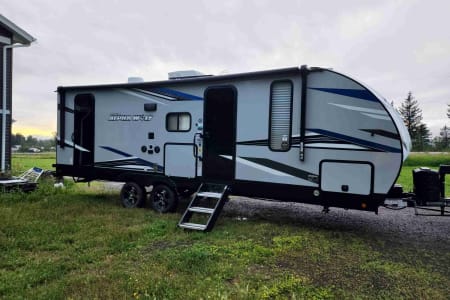
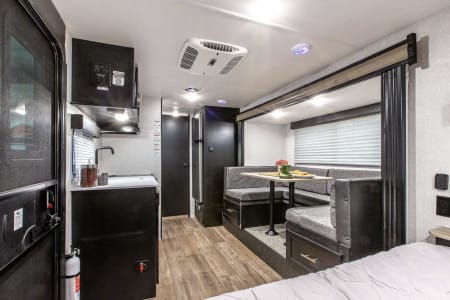
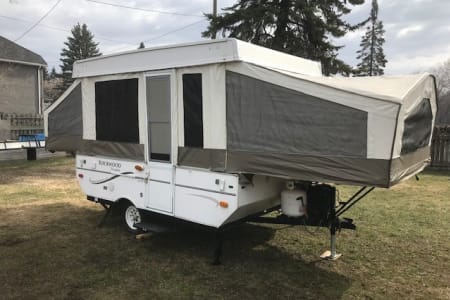
Explore the Swamp Lake area in a RV
Are you looking for an adventurous vacation option that won't break the bank? Look no further than renting an RV! Contrary to popular belief, the process is much simpler than you might imagine. With just a few easy steps, you'll soon be experiencing the ultimate freedom and convenience of exploring the open road in your very own recreational vehicle. And the best part? RV travel can save you up to 60% compared to other types of vacations! With the money you'll save, you'll be able to travel even more and create unforgettable memories along the way. So why wait? Start planning your next adventure today with an RV rental. Learn more about renting a RV.

History & Status of the Fishery
Swamp Lake lies just inside the BWCAW boundary and can be reached by a single modest (0.3 mile) and level portage trail from Poplar Lake. The native fish community of Swamp Lake likely consisted of Northern Pike, Yellow Perch, and White Sucker. Walleye were first stocked into Swamp Lake in 1939 and 1940 which resulted in a naturalized population. A suspected winterkill in 1976 triggered frequent Walleye fry stocking between 1977 and 1993 to restore the fishery. Results from a 1993 standard lake survey identified several strong, naturally produced year classes, confirming a naturalized population had been restored.
The current (2015) lake management plan for Swamp Lake identified Walleye as the primary management species with a goal of maintaining a population with a minimum gill net catch of 6.0 fish/set and some fish over 20 inches present. Northern Pike are the secondary management species and have a management goal of maintaining a minimum gill net catch of 3.0 fish/set and some fish over 25 inches present. The 2022 survey was completed to evaluate the status of the Walleye and Northern Pike populations, to monitor for new species introductions, or identify population changes caused by potential winterkill. This was the first standard lake survey completed since 1993.
Walleye have typically appeared very abundant in Swamp Lake in past standard surveys not influenced by winterkill, with gill net catch rates in those surveys falling well above the normal range for Walleye in this type of lake. Because of the potential for very high catches (and high sampling mortality) in this small wilderness lake, the 2022 standard survey was to include up to four gill net sets but could be halted if a sufficient sample size was obtained with fewer nets.
The 2022 Walleye gill net catch (32.50 fish/set) was once again very high and included fish across a wide range of sizes (8.5-23.7 inches), thus meeting the abundance and size goal identified for the population. As a result, only two gill net sets were completed. The mean length and weight of Walleye was a respectable 16.5 inches and 1.6 pounds. Twelve naturally produced year classes (ages one through twelve) contributed to the sample. A stronger year class produced in 2012 accounted for about 36% of the Walleye catch, although multiple year classes between ages two and seven were well represented. Walleye growth rates from this survey were considered average; fish reached a mean length of 15.9 inches by the end of their fifth year, compared to an area mean of 16.3 inches for this class of lake.
Northern Pike gill net catches fluctuated between high and low catch rates in past surveys of Swamp Lake. The 2022 survey sampled a few Northern Pike in the 23-24-inch range, but relative abundance appeared to fall below the catch goal for the population. Yellow Perch appeared moderately abundant in 2022 and represented a good forage base for Walleye and Northern Pike. White Sucker and Pumpkinseed Sunfish abundance appeared low in 2022. No new fish species were observed in 2022.
The Grand Marais area has been subject to multiple severe winters over the past ten years that could have resulted in low dissolved oxygen levels or potential partial winterkills in shallow lakes. The winter of 2022 qualified as such, with a deep snowpack and the period of ice cover running from December to May. These survey results suggested no measurable winterkills had occurred in Swamp Lake in recent years.
Are there any state parks near Swamp Lake?
For more Minnesota State Park information see our State Park Guide.
More Nearby Lakes To Explore
There's more lake's to explore around Swamp Lake...| DISTANCE | ACRES | MAX DEPTH | |
| Gore Lake | 0.9 mi | 15 | |
| Prop Lake | 1.1 mi | 10 | |
| Lizz Lake | 1.1 mi | 23 | 30 ft |
| Road Lake | 1.2 mi | 12 | 15 ft |
| Squint Lake | 1.3 mi | 16 | 23 ft |
| Caribou Lake | 1.3 mi | 246 | 26 ft |
| Unnamed Lake | 1.4 mi | 12 | |
| Horseshoe Lake | 1.5 mi | 188 | 26 ft |
| Night Hawk Lake | 1.5 mi | 20 | 11 ft |
| Lake Marie | 1.5 mi | 10 |


