


Ice Cracking Lake
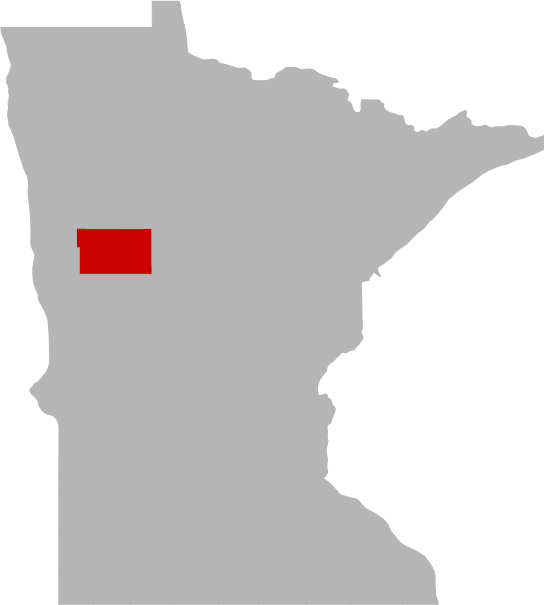
Becker County, Minnesota

Today's Fishing Forecast
Fishing looks to be very active with peak fishing times around 7-8 AM and 3-5 PM. SEE MORE
Share your catch!
We want to see what you've caught on Ice Cracking Lake.Frequently Asked Questions About Ice Cracking Lake, MN
- How big is Ice Cracking Lake?
- How deep is Ice Cracking Lake?
- What kind of fish can you catch in Ice Cracking Lake?
- What are the closest cities to Ice Cracking Lake?
- Are there places to stay in the Ice Cracking Lake area?
- Are there places to eat and drink near Ice Cracking Lake?
- What is the average air temp for Ice Cracking Lake?
- Are there any state parks near Ice Cracking Lake?
How big is Ice Cracking Lake?
How deep is Ice Cracking Lake?
What kind of fish can you catch in Ice Cracking Lake?
Other fish species in the lake include Cisco (Tullibee), Green Sunfish, Hybrid Sunfish and White Sucker.
What are the closest cities to Ice Cracking Lake?
Are there places to stay in the Ice Cracking Lake area?
More Lodging Options
Are there places to eat and drink near Ice Cracking Lake?
History & Status of the Fishery
Ice Cracking Lake is a 331 acre lake located in northeastern Becker County along the east edge of the Tamarac National Wildlife Refuge. There is no public access but there is a resort/campground with a privately owned access on the east end of the lake. The lake lies within the boundaries of the White Earth Indian Reservation and the band's biology department is located near the south shore.There is a good mix of fish species present, ranging from coldwater fish like tullibee (cisco) to warmwater fish like brown and yellow bullhead. Popular gamefish species include northern pike, largemouth bass, bluegill, black crappie, yellow perch, and walleye.Walleye spawning habitat is minimal in this lake and maintaining a fishery requires stocking. The White Earth Biology Department stocks walleye fingerlings regularly. Walleye sampled in 2004 averaged 17.9 inches and 2.3 pounds and gill net catch rates were within the normal range for similar lakes and near the upper end of the historic range for this lake.Northern pike have the potential to grow large in Ice Cracking. The presence of tullibee indicates that there is good dissolved oxygen in the cooler depths of the lake during the heat of summer. Cool, well-oxygenated water is generally regarded as a requirement for pike to grow large. They also have to be allowed to grow big before they are harvested. Pike sampled in test nets averaged 20.7 inches in length and 2.0 pounds. Lengths ranged from 16.2 to 30.9 inches.Crappies also have the potential to grow relatively large in this lake. They were not particularly abundant, but black crappies averaged 11.0 inches and 0.8 pounds each during the 2004 lake survey.Bluegills are present in normal numbers, but the average size of sunfish has steadily declined since the initial lake survey in 1947 when they averaged 8.9 inches. In 2004, bluegills in Ice Cracking Lake averaged 5.0 inches.Anglers are encouraged to release medium and large fish and harvest smaller fish for eating. This not only helps to ensure that spawning age fish are present to sustain the fishery, but also better balances populations and provides more opportunities to catch big fish.
What is the average air temp for Ice Cracking Lake?
Are there any state parks near Ice Cracking Lake?
For more Minnesota State Park information see our State Park Guide.
More Nearby Lakes To Explore
There's more lake's to explore around Ice Cracking Lake...| DISTANCE | ACRES | MAX DEPTH | |
| Tea Cracker Lake | 1.3 mi | 104 | |
| Round Lake | 1.7 mi | 1,094 | 69 ft |
| Waboose Lake | 2.3 mi | 232 | 14 ft |
| Unnamed Lake | 2.8 mi | 27 | |
| Unnamed Lake | 2.8 mi | 581 | |
| Green Water Lake | 2.9 mi | 74 | 57 ft |
| Rush Lake | 3.5 mi | 27 | |
| Equay Lake | 3.5 mi | 44 | |
| Spindler Lake | 3.6 mi | 84 | |
| Many Point Lake | 4.5 mi | 1,701 | 92 ft |
