Weeds for Panfish and Pike
by Dave LorierFifteen years ago I was living the ice fishing dream, spoiled by limits of big panfish nearly every outing on the lakes around Madison, Wisconsin. I was very fortunate to have become friends with Kevin Fassbind who taught me the ins and outs of ice angling for panfish on the Madison Chain. The real key to success was to aggressively search weedbeds for concentrations of gills and crappies. Underwater cameras were a relatively new innovation at the time and we utilized them to the fullest, drilling dozens of holes and probing each with the camera before ever wetting a line. Our strategy was based on the fact that panfish are relatively stationary in thick weeds - find holes with concentrations of fish, catch them and then move on to another hole where you saw fish on the screen. After fishing all of the promising holes we would rotate back through the best ones to see if they had reloaded - if not, it was time to keep on punching holes until fresh fish were located.
.jpg)
For me, ice fishing is easier and more fun when you have others to share the experience with. My process for selecting a new lake starts by tapping into the network of anglers that I know. Over the years I have met lots of people who share the same passion for ice fishing that I have. Our eyes and ears are always open, looking for leads on new places to try. Other starting points for finding promising lakes include reading through Lake-Link reports, chatting with bait shop owners and employees, and contacting WDNR fisheries biologists in your area. Once I have a lake in mind, I spend time online pouring over lake maps and aerial photos trying to pinpoint weedbeds to target when I actually get on the ice. The clarity of sandbars, rock points, and weeds are amazing on both Bing and Google Maps (as long as there isn't ice on the lake when the photos were taken). I always print out a map or aerial photo to bring out with me, but the Google Map App is just about the easiest way to find the same features that drew my attention when I was looking on the computer.
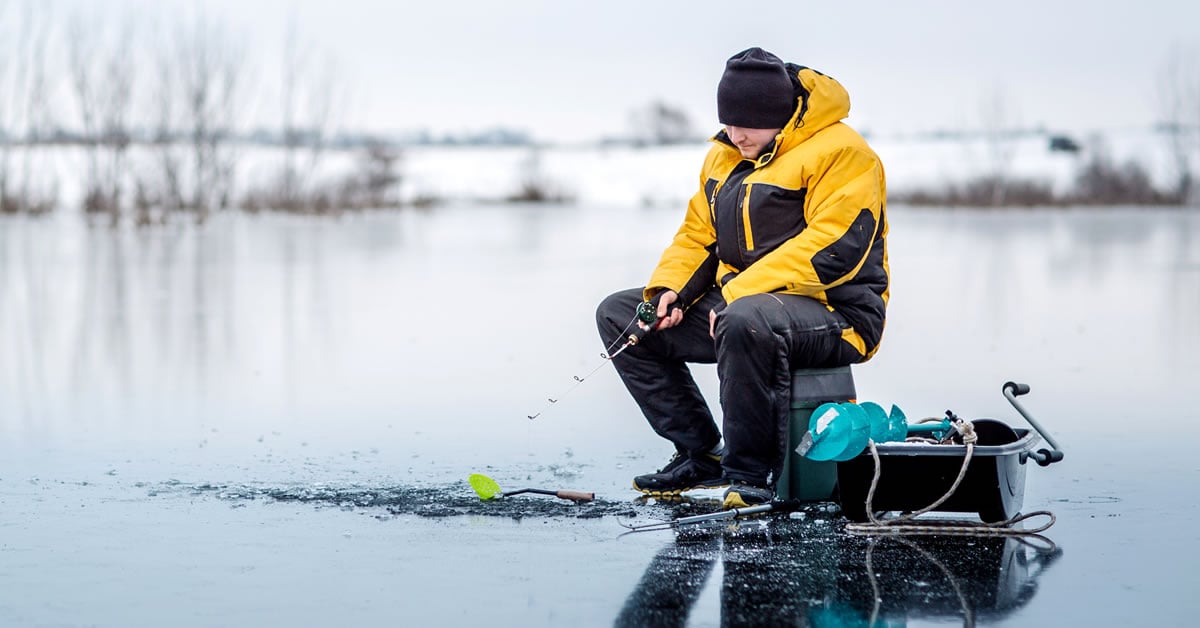
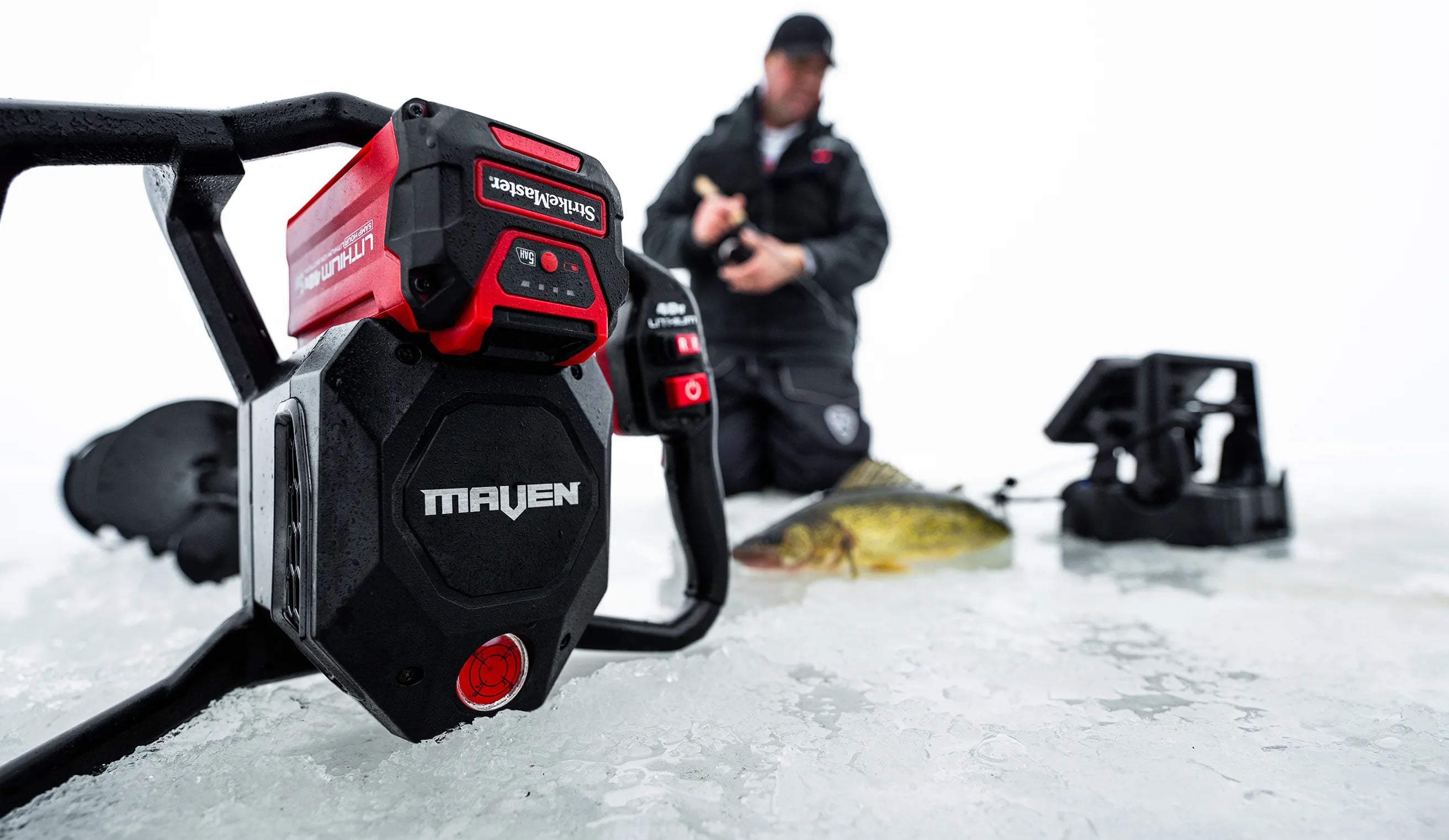
Once I reach my predetermined weedbed I drill lots of holes. I use a 5 inch auger powered by an electric drill. Beaver Dam Ice Fishing has introduced an ice drill converter that quickly turns your electric drill into a quiet hole-punching machine. Regardless of how you do it, punch a line of holes and then go back and look with your camera. If you are fishing with friends, drill and have someone follow with the Aqua-Vu. Look for fish (obviously) and green weeds that are standing tall. I honestly do not even wet a line unless I find a hole with a handful of good looking fish. Small gills and crappies appear long from head to tail while quality fish look deeper (tall from dorsal to pelvic fins). I love to catch panfish using "long rods" and therefore I am usually fishing weeds in less than ten feet of water. If the clarity of a lake is exceptional, and weeds grow deeper, I will use the Beaver Dam Titanium Tip Stick to work fish. The Titanium Tip Stick is a real nice rod due to the fact that it has a sensitive spring bobber that retracts for storage, or when jigging with heavier baits like a Kastmaster Spoon.
.jpg)
When the hunt is finally over for panfish, and I know I am going to stay put for a few hours, I like to put out boards for pike. I have found that the flags on my Beaver Dam Tip-Ups are likely to pop when I place them on the edges of weedbeds that are loaded with panfish. I really don't like messing with sloshing bait buckets so I always carry a pack of hotdogs to use for bait, or, if I catch a tiny panfish, I will sometimes throw that on the hook (don't forget that this counts as part of your limit in Wisconsin). I have never caught any bass or walleye on hotdogs but I have iced some dandy pike! I used to carry frozen smelt but hotdogs have produced just as well, if not better, and they are a much cheaper, hassle free alternative. Simply center hook the dog on the treble hook of a Beaver Dam Fluorocarbon Leader so it hangs perfectly level about two feet off the bottom.
It sounds simple, but search for weeds and fish this winter and you will catch fish. Don't get discouraged, scouting and eliminating water is a big part of the game - with enough time on the ice, you will get on fish.
Tight lines and be safe on the ice this winter!

Dave Lorier lives in Oconomowoc and has been hunting and fishing in Wisconsin since his childhood. Dave earned his degree in wildlife ecology from UW Madison and then went on to work for the Wisconsin Department of Natural Resources in Fisheries Research and Management. Presently Lorier is a high school science instructor and also teaches youth outdoor education courses. Dave enjoys all types of fishing and hunting, especially competitive bass fishing, bow hunting, and ice fishing for bluegills.