Give yourself an edge with Conditioned Crawlers
by Todd Berg
.jpg) You've used them for years and you know the routine: Go to the bait shop, get 2 or 3 dozen Night crawlers pre-packaged in a Styrofoam cup, drive to the lake, impale them on a hook and cast 'em out under a bobber. Sometimes they work- sometimes they don't. Just another bait selection, right? If this scenario sounds too familiar to you, it's time to exercise your options and get serious about your worms. That's right- I said get serious about your worms. In a very short period of time, you can be out-fishing your partner, your dad, your kid or that guy down the street with the new bass boat, with a new secret-weapon in your fishing arsenal. Live bait is still one of the most widely used presentations to lure fish in countries all over the world. Of all the choices, crickets, minnows, leeches, larvae- the list goes on and on, the single most often used and most widely sold live bait is the inveterate Night Crawler. Bill Binkelman wrote the book Night Crawler Secrets in the early 1960's and his philosophy is as true today as it was over 40 years ago.
You've used them for years and you know the routine: Go to the bait shop, get 2 or 3 dozen Night crawlers pre-packaged in a Styrofoam cup, drive to the lake, impale them on a hook and cast 'em out under a bobber. Sometimes they work- sometimes they don't. Just another bait selection, right? If this scenario sounds too familiar to you, it's time to exercise your options and get serious about your worms. That's right- I said get serious about your worms. In a very short period of time, you can be out-fishing your partner, your dad, your kid or that guy down the street with the new bass boat, with a new secret-weapon in your fishing arsenal. Live bait is still one of the most widely used presentations to lure fish in countries all over the world. Of all the choices, crickets, minnows, leeches, larvae- the list goes on and on, the single most often used and most widely sold live bait is the inveterate Night Crawler. Bill Binkelman wrote the book Night Crawler Secrets in the early 1960's and his philosophy is as true today as it was over 40 years ago.
What you will need to begin:
1 "flat" of night crawlers (about 500 worms); 10-12 cottage cheese (16 oz.) containers or "serving size" plastic food storage containers; 1 package (5-7#) of commercial "worm bedding"; 1 pail or 5-gallon bucket; 1 Sunday Newspaper (comics, advertising pull-outs removed); several pair of latex surgical gloves; a watering can or garden hose; (you'll also need a way to keep 10-12 containers or crawlers cold for as long as it takes to use them- we keep an older model "fishing" refrigerator in our basement just for live bait, pop, ice and such.
On to the tactics:
Begin by sorting through the crawlers and finding the "runts" or the smallest ones in the batch. Put them in a bucket off to the side and save them for your garden. In an average flat, you should end up with 300-350 healthy, hefty crawlers. These are the ones you'll work with. Next, put on your latex gloves. "Why latex gloves" you ask? Because we're firm believers that smell has a major effect on sometimes finicky fish- especially Walleye, Trout and Perch. Wearing gloves when you handle your crawlers will eliminate any human odor imparted to the worms. Sometimes, we even keep the gloves in our boats and try and wear them when we hook the crawlers too-especially on really pressured fish or in ultra-finesse presentations where fish have lots of time to inspect your offering before deciding to bite or not. Sounds extreme but it puts an extra fish or two in your bag at the end of the day more often than you might imagine.
Now start wetting the worm bedding just a bit. We've experimented with tons of bedding and haven't found one
|
.jpg) |
.jpg) |
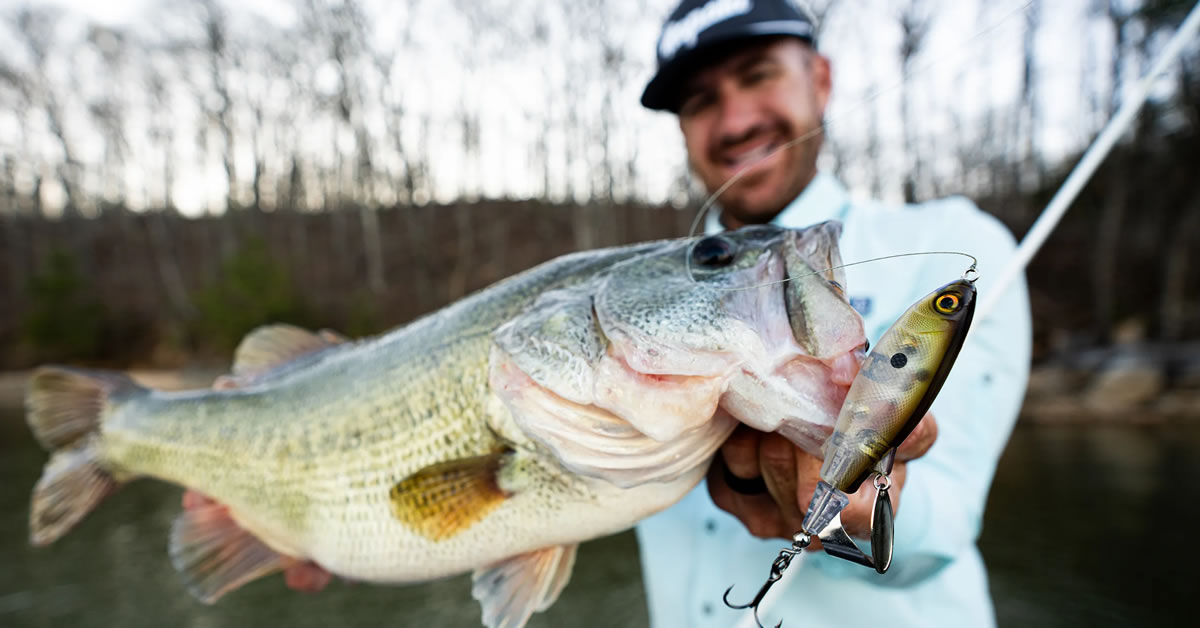
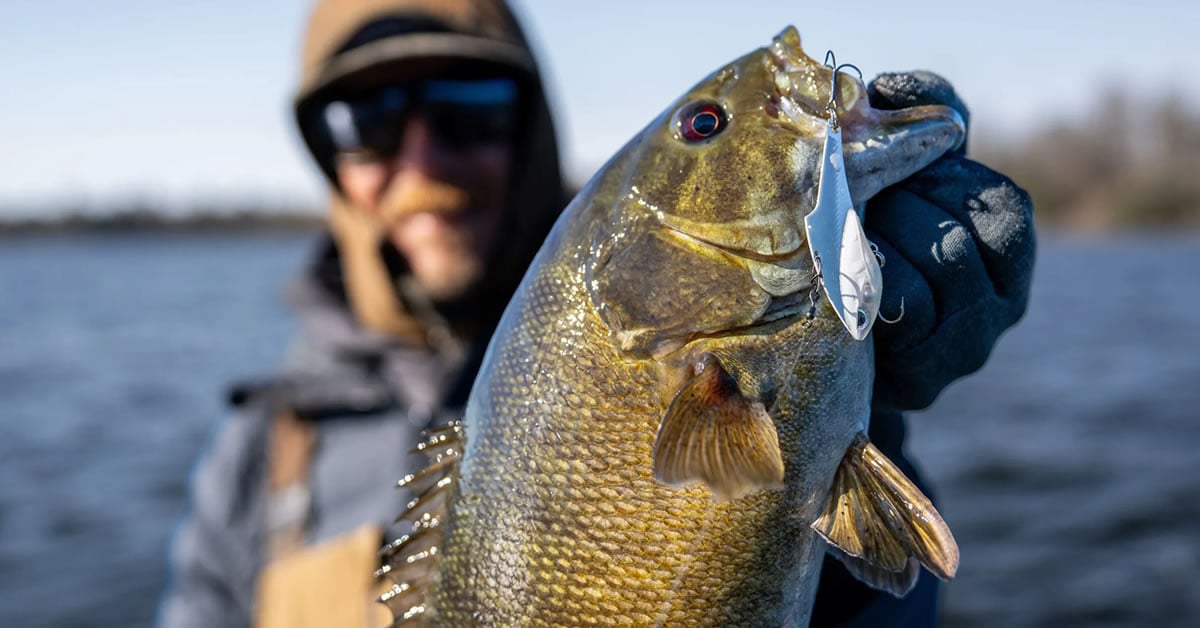
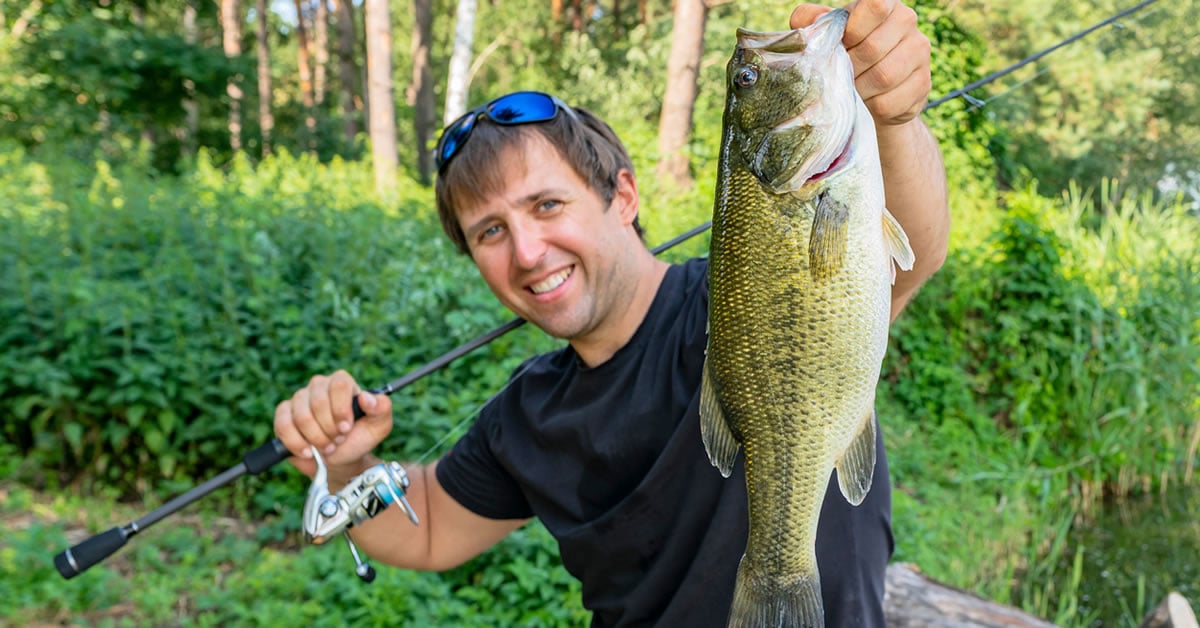
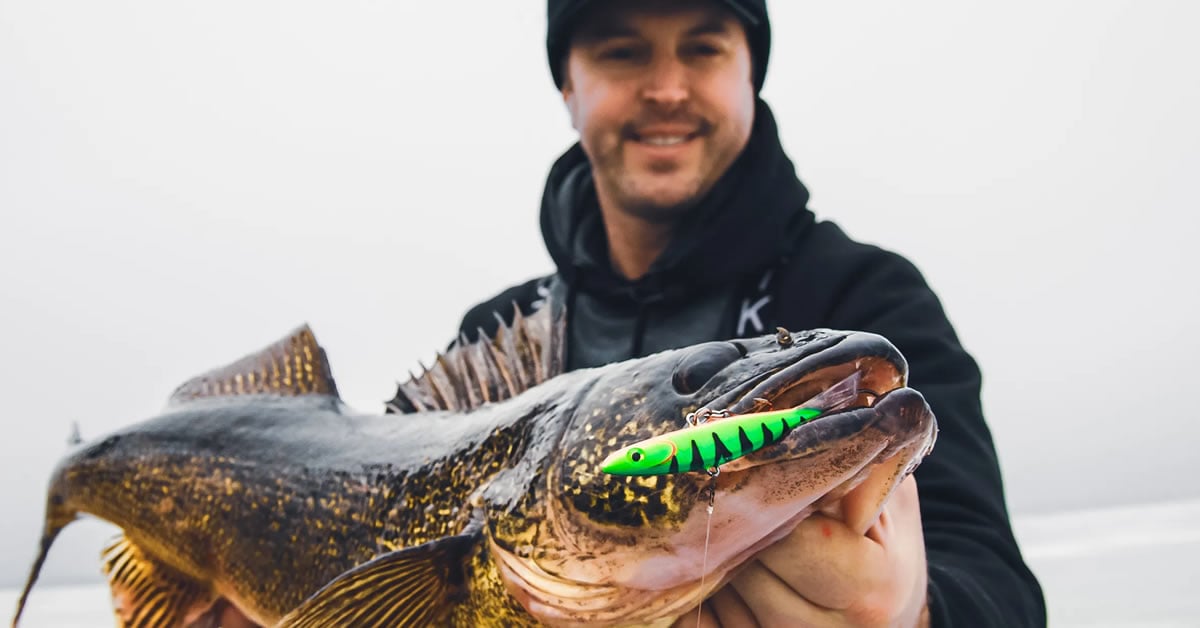
To fish a conditioned crawler properly, you need light line (2-6# test maximum) and a #8 or #10 hook (we like the small Octopus style hooks by Gamakatsu- experiment with colors too!) and a small split shot pinched 18-24" up the line from the hook. Hook the crawler right through the tip of the nose, not more than 1/8" down from the tip- any further down and the worm will spin in the water, causing an unnatural presentation and too much line twist. To fish this method effectively, you MUST hold your rod- you cannot put it in a holder. When a fish strikes, you have to hit it solidly and right away or you'll miss fish or hook them too deeply. While this method can be cast and slow retrieved very effectively, our favorite presentation is a controlled-drift method, which we'll get into the next time. Some of our best and biggest fish each season- like those pictured here- are caught on this deadly conditioned crawler presentation.
Get out there and condition some crawlers and you'll be amazed at how effective you'll be at putting more fish in the boat this season. Until we meet again, I wish each of you…
Safe Travels, Tight Lines, Sharp Hooks, and We'll Look for You on the Water!

Todd Berg and his wife Veronica own and operate Into The Outdoors, Inc., a licensed and insured guide service in both Illinois and Wisconsin. Into The Outdoors is a multi-species fishery and their motto is "First Class Fishing for First Class Clients". In addition to spending 100 or more days per year on the water (they bring the gourmet food too!), Todd & Veronica give speaking engagements and presentations for numerous fishing clubs and retail outlets. Todd is an active member of the Association of Great Lakes Outdoor Writers (AGLOW), is the executive field producer for Mike Jackson Outdoors Radio, and is sponsored by Alumacraft Boats, Waterwerks, Johnson Outboards, Bottom Line Electronics, Rebel, Heddon, Smithwick, Cotton Cordell and Power Pro Lines among others. Into The Outdoors can be reached at 847-922-1271 or by e-mail at [email protected].